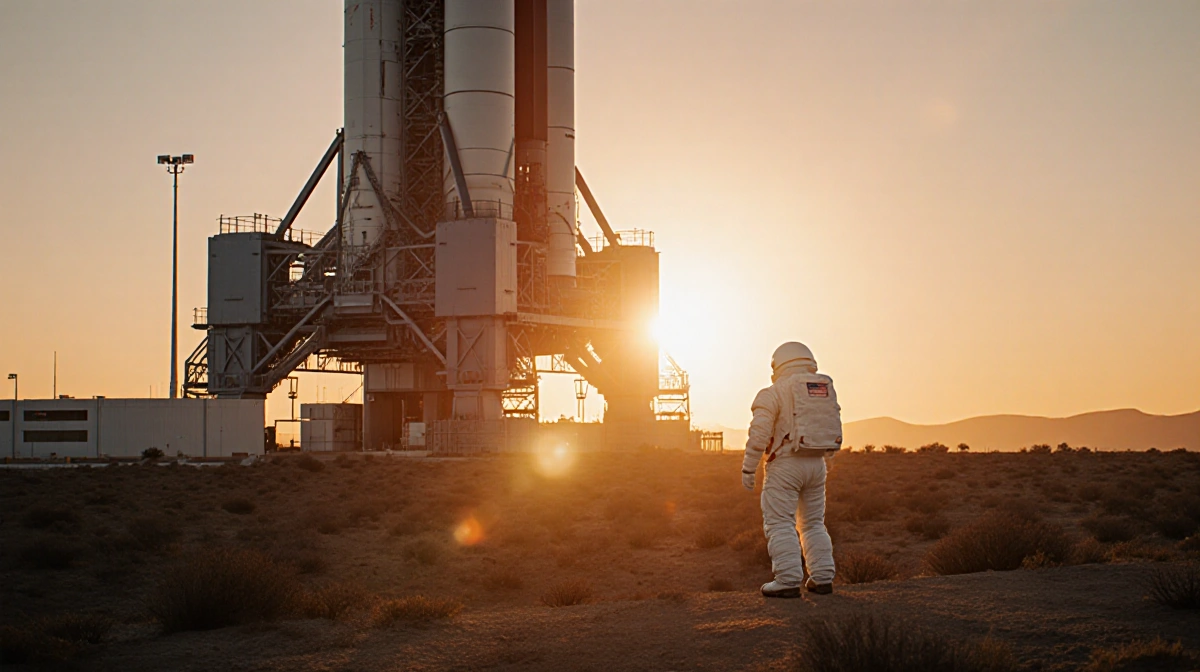

NASA will begin moving its 322-foot Space Launch System rocket to the launchpad Saturday morning, a milestone that opens the final stretch before the first astronaut mission to the moon in more than five decades.
The 4-mile trip from the Vehicle Assembly Building to Launch Pad 39B at Florida’s Kennedy Space Center starts at 7 a.m. ET and will be streamed live on NASA’s YouTube channel. The rollout is expected to last up to 12 hours.
At a Glance
- NASA is moving the 11-million-pound Artemis II rocket to the pad Saturday
- Four astronauts will ride the Orion capsule on a 10-day trip around the moon
- Launch windows open Feb. 6-11, with backups in March and April
- Why it matters: A successful mission sets up the first lunar landing since Apollo 17 and keeps the U.S. ahead of China’s 2030 moon goal
The Artemis II flight will carry NASA astronauts Reid Wiseman, Victor Glover, Christina Koch, and Canadian astronaut Jeremy Hansen on a looping journey that swings around Earth and then into lunar orbit. The mission is the first crewed test of the rocket-and-capsule combo that NASA plans to use for future moon landings and eventual Mars flights.
Rollout Details
An enormous crawler-transporter will inch the fully stacked vehicle along at roughly 1 mile per hour, carrying the 11-million-pound booster and spacecraft. Launch Pad 39B, the same site used for Apollo and shuttle missions, has been refurbished to handle the larger rocket and its mobile launch tower.
Once the rocket is in place, engineers will begin readying for the wet dress rehearsal-an elaborate practice countdown that ends at T-minus 29 seconds. During the rehearsal, teams will fully fuel the core and upper stages, cycle through every launch-day command, and check for leaks or other hardware issues.
“Launch day will be pretty similar to wet dress,” said Charlie Blackwell-Thompson, Artemis launch director. “There’ll be two big differences: One is that we’re going to send the crew to the pad, and the other one is we’re not going to stop at 29 seconds.”
Mission Timeline
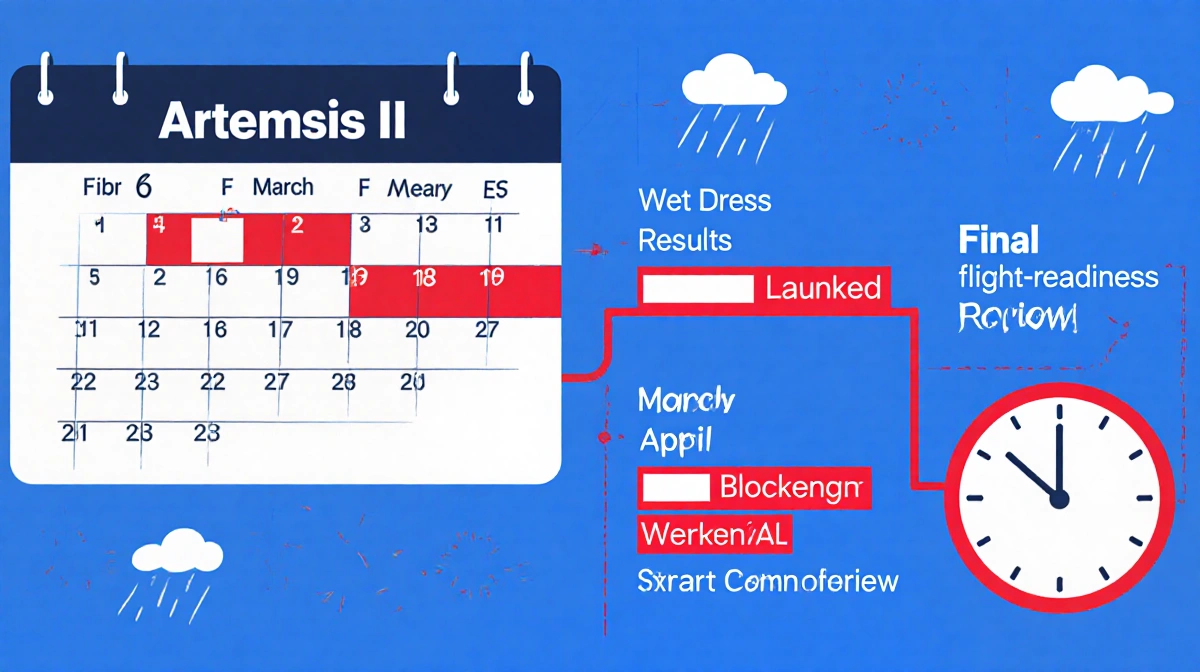
Artemis II could lift off as early as February 6, though NASA has blocked out additional windows in March and April if weather or technical snags force a delay. The agency has not yet announced a firm target date; that decision will come only after managers sign off on the wet dress results and a final flight-readiness review.
If any problems surface during the rehearsal, the rocket will be rolled back to the assembly building for repairs. A clean test keeps the schedule on track.
What the Astronauts Will Do
During the 10-day mission the crew will:
- Test Orion’s life-support systems with humans on board
- Practice docking procedures while orbiting Earth
- Fly within about 80 miles of the lunar surface
- Validate deep-space communications and navigation
A successful flight paves the way for Artemis III, now scheduled for 2027, which aims to land two astronauts near the moon’s south pole.
Strategic Stakes
Returning astronauts to the moon has been a top priority for President Donald Trump, and NASA frames the Artemis program as both a scientific endeavor and a geopolitical statement. Chinese space officials have said they intend to land their own astronauts on the moon by 2030, intensifying a new lunar race.
NASA announced Thursday that the next Artemis mission, which will send four astronauts on a flight around the moon, will be delayed until 2026.
“These are the kind of days we live for,” said John Honeycutt, chair of the Artemis II mission management team, during a Friday news briefing.
Key Takeaways
- The rollout marks the last major ground milestone before launch
- Every major system will be stress-tested in the wet dress rehearsal
- A go-for-launch decision hinges on that test
- Artemis II is the final proving flight before astronauts head back to the lunar surface