
> At a Glance
> – A federal judge says Elon Musk has enough evidence to take OpenAI to trial
> – March jury trial tentatively set
> – Musk claims $38 million early investment was based on nonprofit promises
> – Why it matters: The verdict could reshape how AI labs balance profit and public benefit
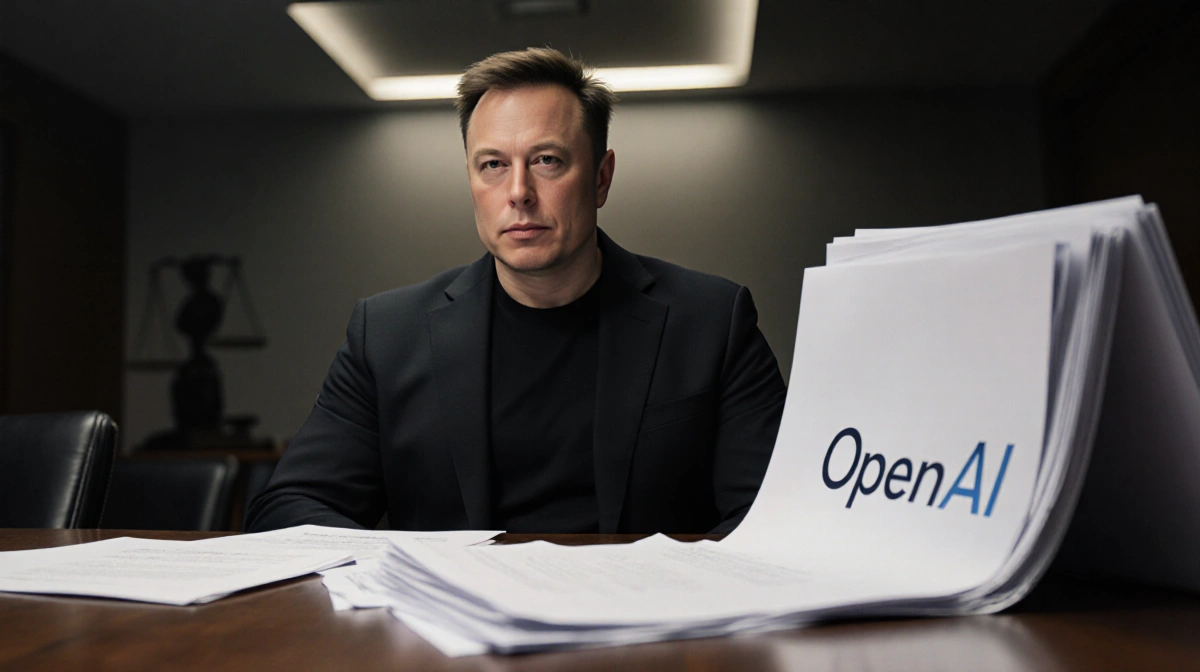
Elon Musk’s 2024 lawsuit against OpenAI and its co-founders will proceed to trial after a U.S. judge found sufficient evidence that the ChatGPT maker may have broken early contractual promises to remain a nonprofit.
What the Court Decided
District Judge Yvonne Gonzalez Rogers ruled that Musk’s team presented enough proof that Sam Altman and Greg Brockman assured him the lab would stay mission-driven, not profit-driven. A March jury trial has been penciled in.
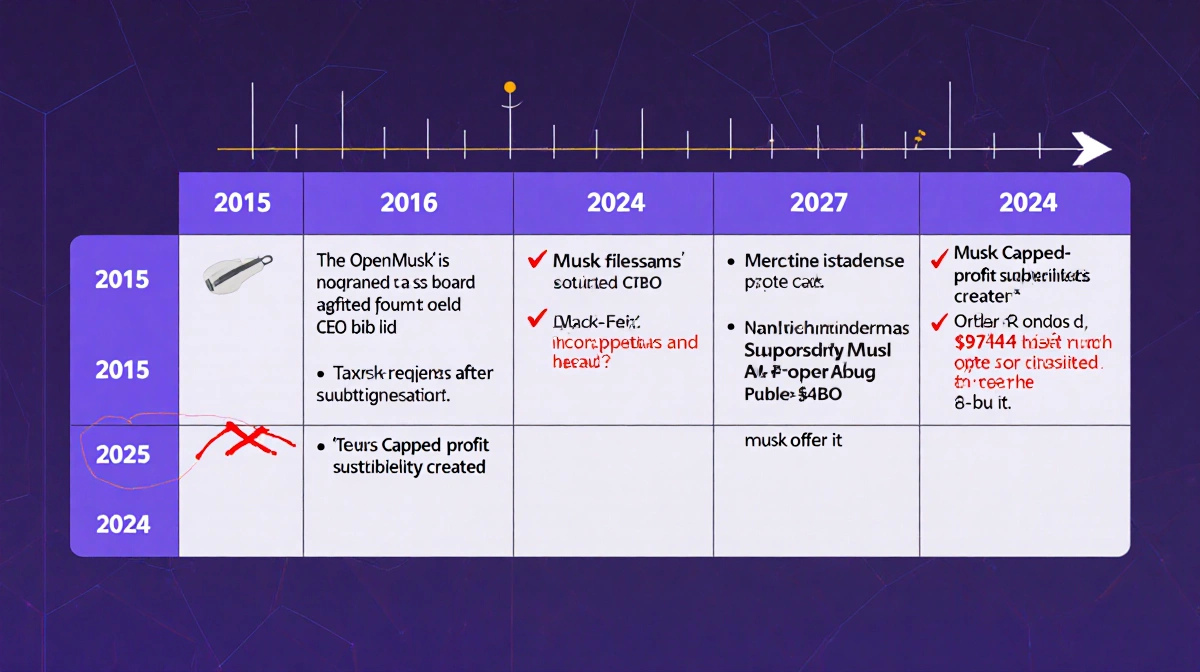
Timeline of the Dispute
| Year | Milestone |
|---|---|
| 2015 | OpenAI founded as nonprofit |
| 2018 | Musk resigns from board after failed CEO bid |
| 2019 | “Capped-profit” subsidiary created |
| 2024 | Musk files lawsuit |
| 2025 | OpenAI becomes Public Benefit Corporation; Musk offers $97.4 billion to buy it-rejected |
| 2026 | Judge clears case for trial |
Musk’s Claims
- Invested roughly $38 million in early funding
- Provided guidance and “credibility” to the young lab
- Says the switch to for-profit structure generated “ill-gotten gains”
OpenAI’s Response
An OpenAI spokesperson called the suit “baseless” and “part of his ongoing pattern of harassment.”
Key Takeaways
- The trial will test whether early verbal agreements count as binding contracts
- OpenAI has already completed its restructuring, so the case is about damages, not reversal
- Outcome could influence how other AI startups frame their founding missions
The March trial will pit Musk’s xAI against the very lab he helped birth, with billions in potential AI market share hanging in the balance.