

At a Glance
- Motional will launch a commercial driverless service in Las Vegas by the end of 2026 after a two-year strategic pause
- The company shifted from a rules-based robotics stack to an AI-first foundation model, slashing complexity and cost
- Employee robotaxi rides with safety drivers start now; public service and fully driverless operation begin later this year
- Why it matters: The overhaul keeps Hyundai’s $1 billion bailout alive and positions Motional to compete with AI-driven rivals
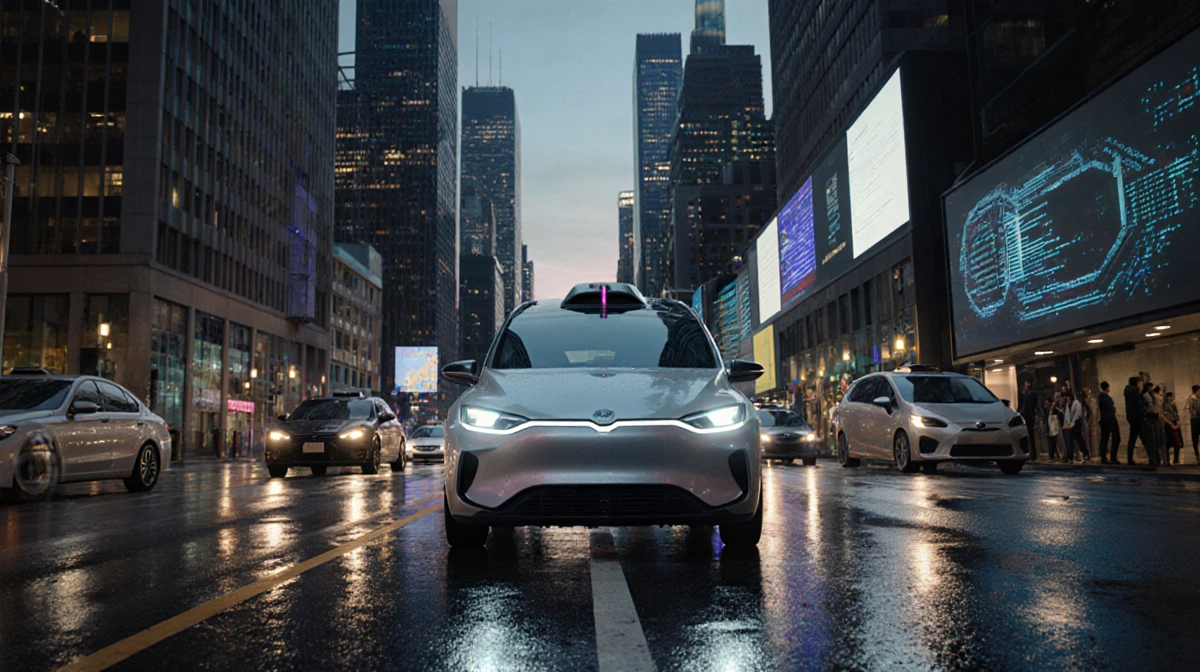
Motional has emerged from a two-year reset with a new AI-centric autonomous system and a firm pledge to put fully driverless robotaxis on Las Vegas streets before January 1, 2027. The Hyundai-backed company, once at risk of shutting down after missing earlier deadlines and shedding 40 % of its staff, now claims the revised technology stack can scale city-to-city without the costly re-engineering that hobbled its first-generation platform.
From Robotics to AI Foundation Model
The pivot began after Motional realized its legacy architecture-individual machine-learning models stitched together with rules-based code-could never hit the cost or scalability targets required for a profitable ride-hailing network. President and CEO Laura Major said the company “made the very hard decision to pause commercial activities, to slow down in the near term so that we could speed up.”
Engineers consolidated perception, tracking, and semantic reasoning into a single backbone built on transformer architecture, the same approach that underpins large language models. The unified model ingests raw sensor data and outputs driving decisions end-to-end, eliminating hand-coded rules that required fresh development for every new city.
Key benefits Motional cites:
- Faster deployment to new markets through retraining rather than rewriting code
- Lower compute and sensor cost per vehicle
- Simpler validation and safety certification pipeline
The company continues to expose smaller, specialized models for developers who want granular control, a hybrid approach Major calls “the best of both worlds.”
Roadmap: Safety Driver Today, None Next Year
Motional has already reopened an employee-only robotaxi service in Las Vegas with human safety operators behind the wheel. Public rides-still with drivers-will follow through an unnamed ride-hailing partner “later this year,” according to the company. The safety driver will be removed and a paid, fully driverless service will begin by December 31, 2026.
The fleet uses Hyundai Ioniq 5 crossovers outfitted with an updated sensor suite and the new AI stack. A 30-minute demonstration for News Of Philadelphia showed the vehicle handling the chaotic pickup zone outside the Aria Hotel, edging around a stopped taxi, weaving through pedestrians and luggage carts, and re-positioning itself to avoid a double-parked delivery van-all without human intervention. No disengagements occurred during the ride, though the car moved cautiously in tight quarters.
Graphics displayed to passengers remain a work in progress, and engineers acknowledge the system needs more refinement before public driverless operation. Still, Major argues the architecture is on track to meet the year-end target.
Financial Lifeline and Long-Term Vision
Hyundai Motor Group, already Motional’s majority owner, injected an additional $1 billion after Aptiv exited the joint venture. The funding kept the company alive through the restructuring that shrank headcount from roughly 1,400 to under 600 employees. Hyundai executives have signaled continued support, viewing robotaxis as step one toward putting Level 4 autonomy in consumer vehicles.
Major outlined the end goal: “Putting Level 4 on people’s personal cars. Robotaxis, that’s stop number one, and huge impact. But ultimately, any OEM would love to integrate that into their cars.”
Competitive Landscape and Next Cities
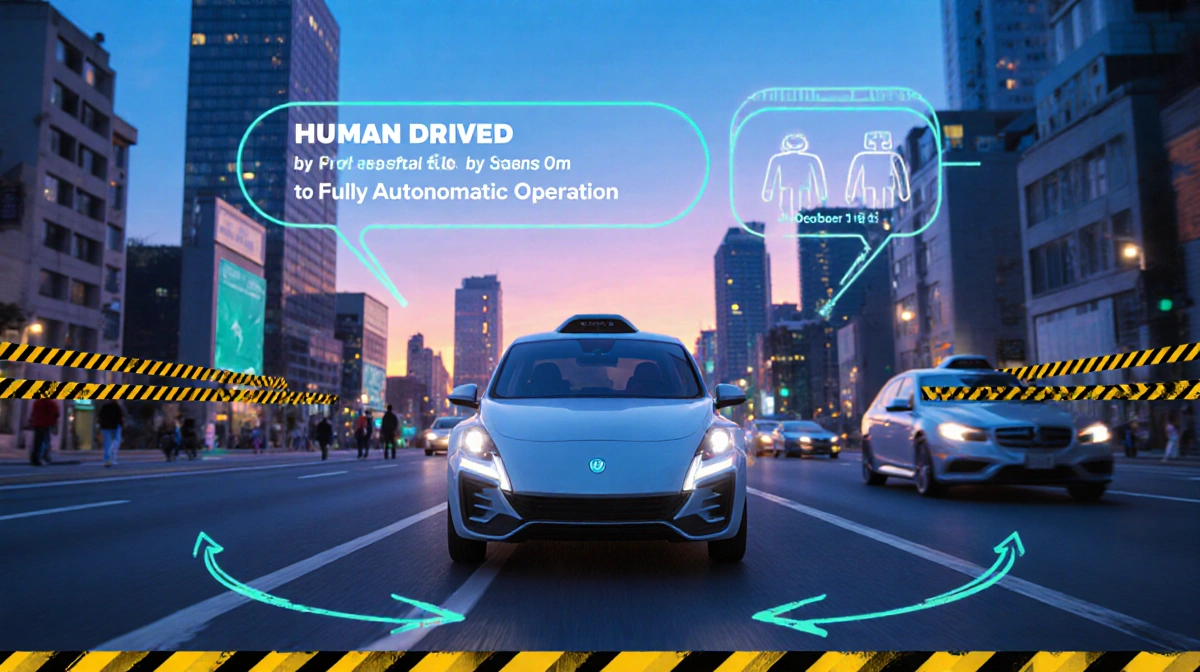
Motional did not name the ride-hailing partner for the public launch, but the company maintains existing relationships with both Lyft and Uber. A successful Las Vegas rollout would set the stage for expansion to additional cities; the AI backbone is designed to require only localized data collection and model retraining rather than ground-up software rewrites.
The autonomous-vehicle sector has consolidated around a handful of players that can afford the capital-intensive path to driverless operation. By replacing expensive robotics code with a data-hungry but scalable AI model, Motional hopes to join that group without burning through another multibillion-dollar funding round.
Key Takeaways
- Motional rebooted its entire self-driving stack, moving from fragmented ML models and rules to a unified AI foundation model
- The company promises a commercial driverless service in Las Vegas within 14 months after two years of halted operations
- Hyundai’s $1 billion rescue and the new approach position Motional to re-enter the robotaxi race alongside Cruise, Waymo, and Zoox
- Public rides with safety drivers begin later this year; removal of the driver follows by the end of 2026