
> At a Glance
> – Michael B. Jordan entered therapy after wrapping Black Panther because the role “stuck with me for a bit”
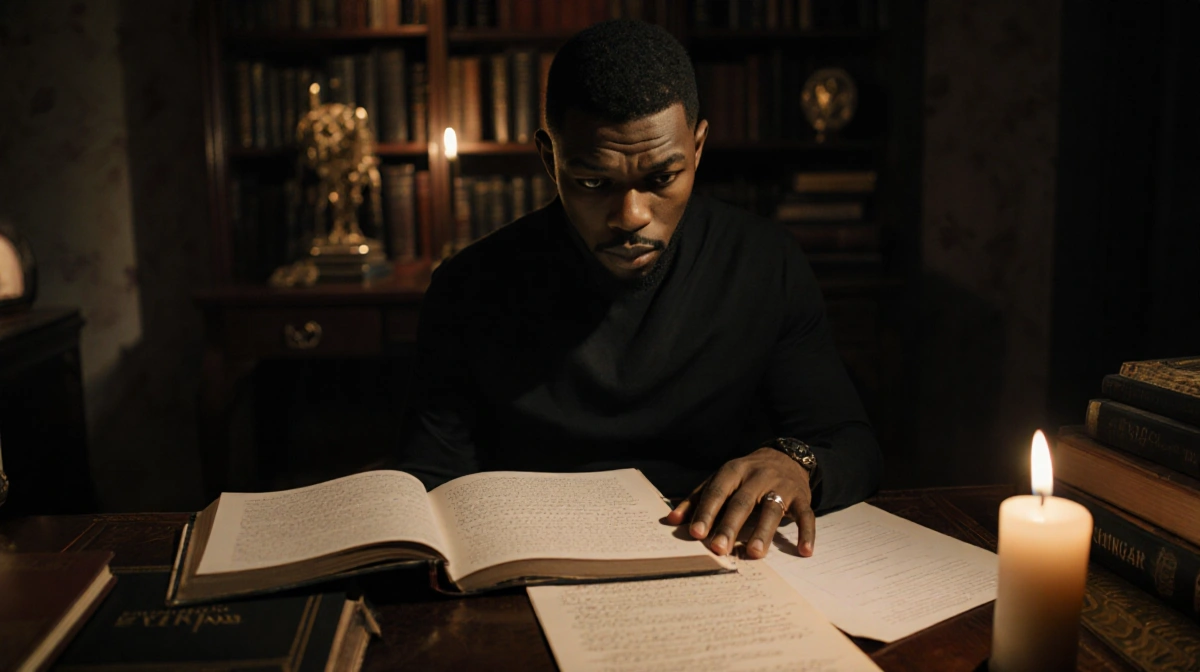
> – He used method acting, isolating himself from family to channel Erik Killmonger’s anger and betrayal
> – Why it matters: His openness highlights mental-health struggles actors face and encourages men to seek help
Michael B. Jordan’s performance as Erik Killmonger in 2018’s Black Panther earned acclaim-but it also left him emotionally unsettled long after filming ended.
The Role That Followed Him Home
Jordan, 38, told CBS Sunday Morning that Killmonger’s pain lingered once the cameras stopped.
> “It kind of stuck with me for a bit. I went to therapy and talked about it, found a way to kind of just decompress.”
He realized he’d never before deliberately shed a character’s mindset.
Method Acting and Isolation
To embody the villain, Jordan:
- Spent extensive time isolated from loved ones
- Studied the script plus historical cycles of oppression
- Stayed in Killmonger’s head-space of “betrayal” and “failed systems”
> “Erik didn’t really know a lot of love. He had a lot of betrayal, a lot of failed systems around him that shaped him and his anger.”
Discovering Therapy
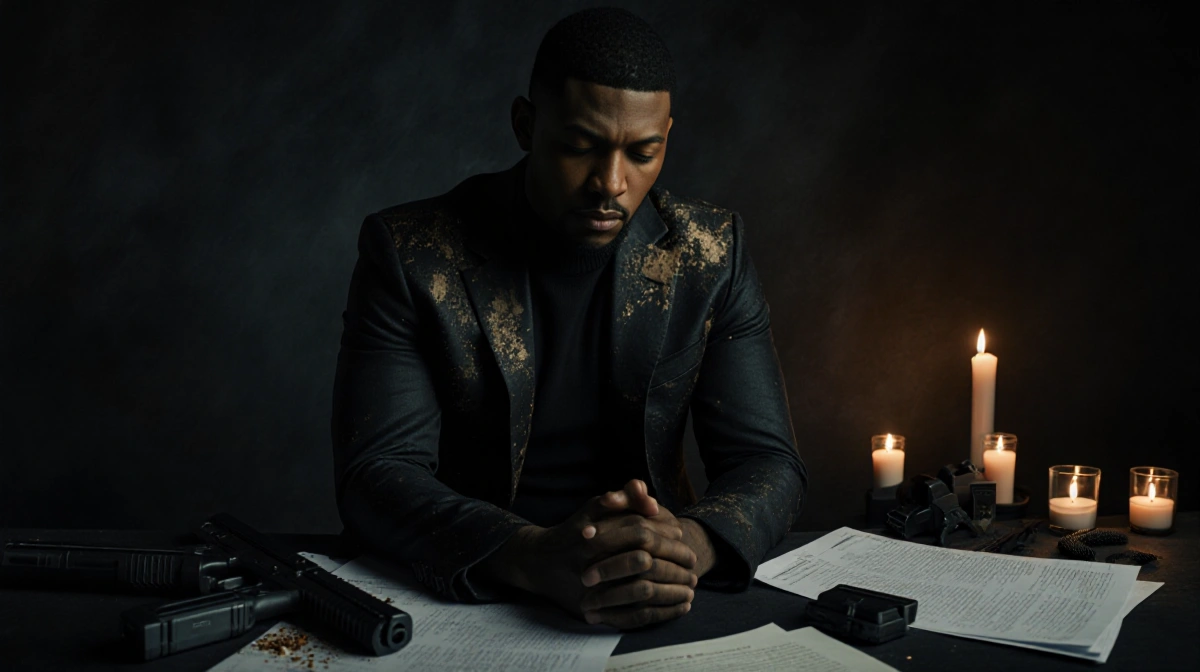
Post-release, Jordan recognized the toll and sought professional help.
> “I think that spiraled into a bigger conversation and self-discovery of, ‘Okay, I think that’s something that’s necessary for people. Especially men.'”
He now views therapy as a strength:
- Not ashamed-“very proud” of the decision
- Improved his communication skills
- Aims to be “a well-rounded person, inside and out”
Honoring Chadwick Boseman
Jordan continues celebrating Black Panther and his late co-star Chadwick Boseman, who died of colon cancer in 2020.
At Boseman’s Walk of Fame ceremony last November, Jordan said:
> “Chad was a special person and for him to be honored and remembered the way he is… makes me feel full and happy.”
Key Takeaways
- Jordan’s post-Black Panther therapy shows the emotional cost of intense roles
- Method acting can blur real-life and character emotions
- Public figures normalizing therapy may encourage more men to seek help
- He remains grateful for the franchise and Boseman’s legacy
Jordan’s experience underscores why mental-health support matters-even for superheroes on screen.