
At a Glance
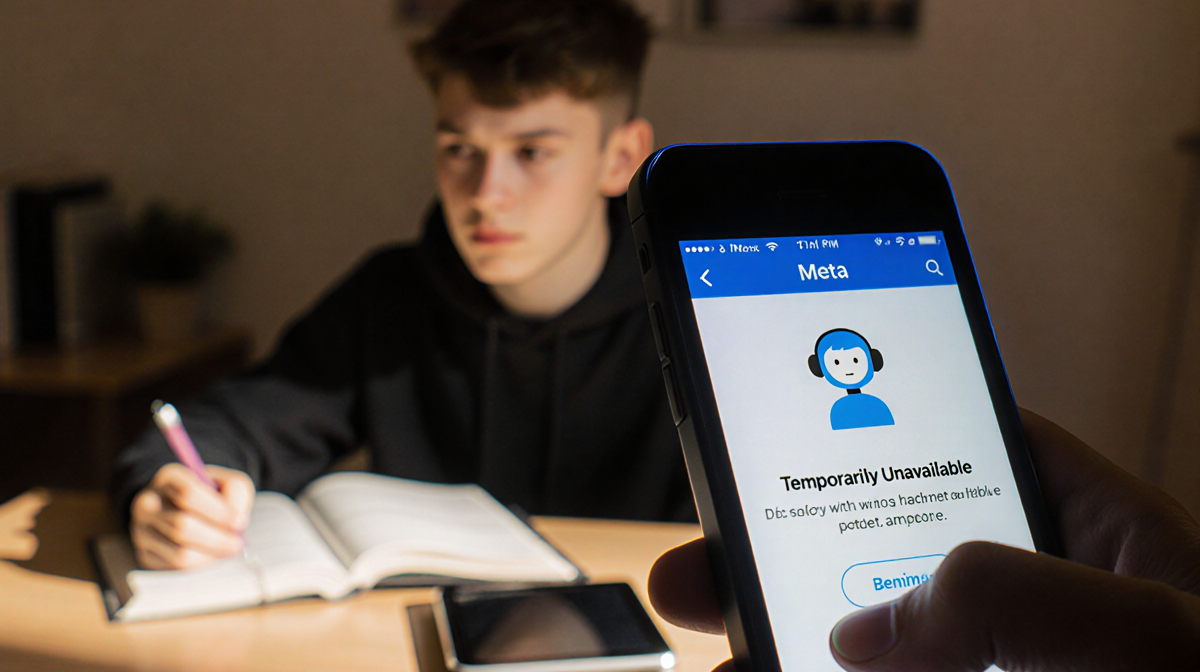
- Meta has halted teen access to AI characters worldwide.
- The pause will last until a new, safer version launches.
- The move comes before a New Mexico trial on child exploitation.
- Why it matters: Teens and parents lose AI interactions for now while Meta tightens controls.
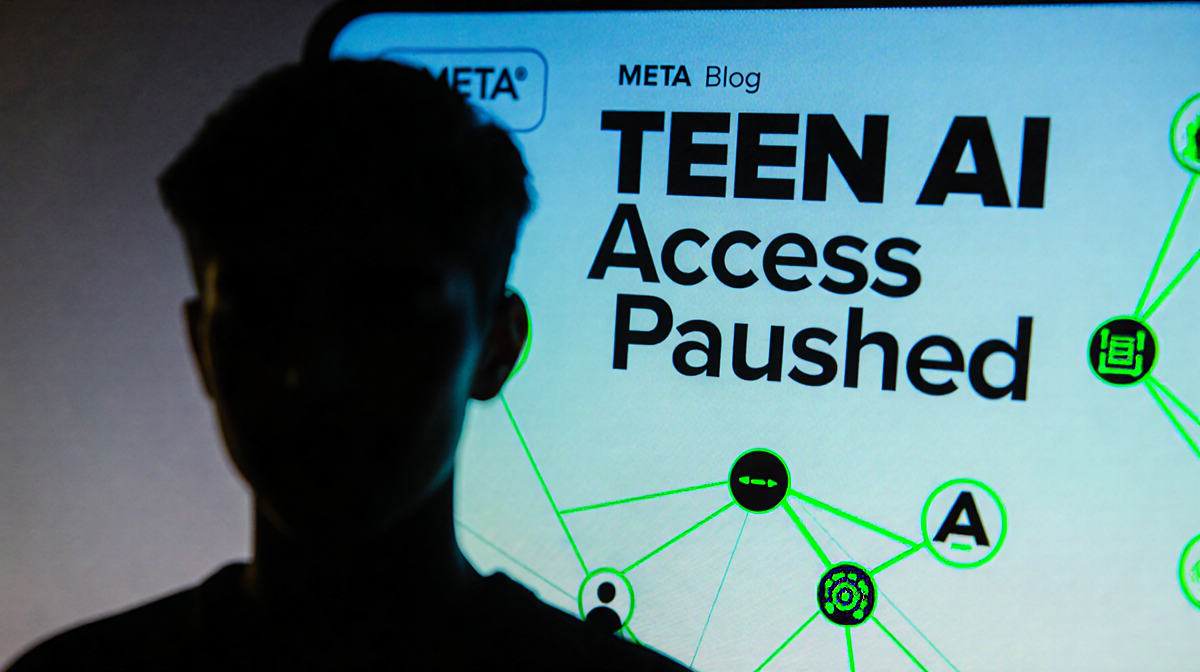
Meta has halted teen access to its AI characters worldwide while it works on a safer version, a move that comes just days before a high-profile New Mexico trial over child exploitation. The pause applies to all Meta apps, including Instagram, and signals a shift in the company’s approach to teen safety. The decision follows earlier parental-control previews and growing regulatory scrutiny.
Why Meta Is Pausing Teen AI
In October, Meta previewed parental controls for AI characters, letting parents monitor topics and block access to certain characters. Parents could also turn off chats entirely. Those features were slated for release this year, but Meta decided to pause teen access instead.
Parents had expressed a need for more insight and control over their teens’ interactions. Meta said it heard from parents that they wanted more insights and control, which prompted the pause while the company updates its AI characters to a newer version.
Details of the Pause
“Starting in the coming weeks, teens will no longer be able to access AI characters across our apps until the updated experience is ready,” Meta said in an updated blog post. The ban applies to anyone who has given the company a teen birthday, as well as people who claim to be adults but who the platform suspects are teens based on its age-prediction technology.
The pause covers all Meta apps, including Instagram, where the company had already rolled out parental-control features that restrict teen access to topics such as extreme violence, nudity, and graphic drug use. The new AI characters, once released, will have built-in parental controls, age-appropriate responses, and will focus on topics like education, sport, and hobbies.
Regulatory Pressure
Meta is facing a trial next week in New Mexico where it is accused of causing social media addiction and failing to protect kids from sexual exploitation. CEO Mark Zuckerberg is expected to take the witness stand in that case.
The legal pressure is not limited to Meta. In October, Character.AI disallowed open-ended conversations with chatbots for users under 18 and announced plans to build interactive stories for kids. OpenAI added teen safety rules for ChatGPT and began predicting a user’s age to apply content restrictions.
Future of AI Characters
Meta’s updated AI characters will be accessible to everyone, not just teens, when they launch. The company emphasized that the new version will include parental controls and will deliver age-appropriate content. Meta said it is not abandoning its efforts but is working on an updated version of AI characters for teens.
The company’s strategy reflects a broader industry trend of tightening controls on AI content for minors amid growing regulatory scrutiny and public concern.
Correction and Clarifications
The original announcement was updated to clarify that the new version of AI characters will be accessible to all users, not just teens, when it launches. The updated release will include parental controls.
In summary, Meta’s pause on teen AI access is a temporary measure aimed at improving safety while the company rolls out a new, more controlled AI experience. The decision comes amid heightened legal scrutiny and reflects Meta’s ongoing efforts to balance innovation with responsibility.