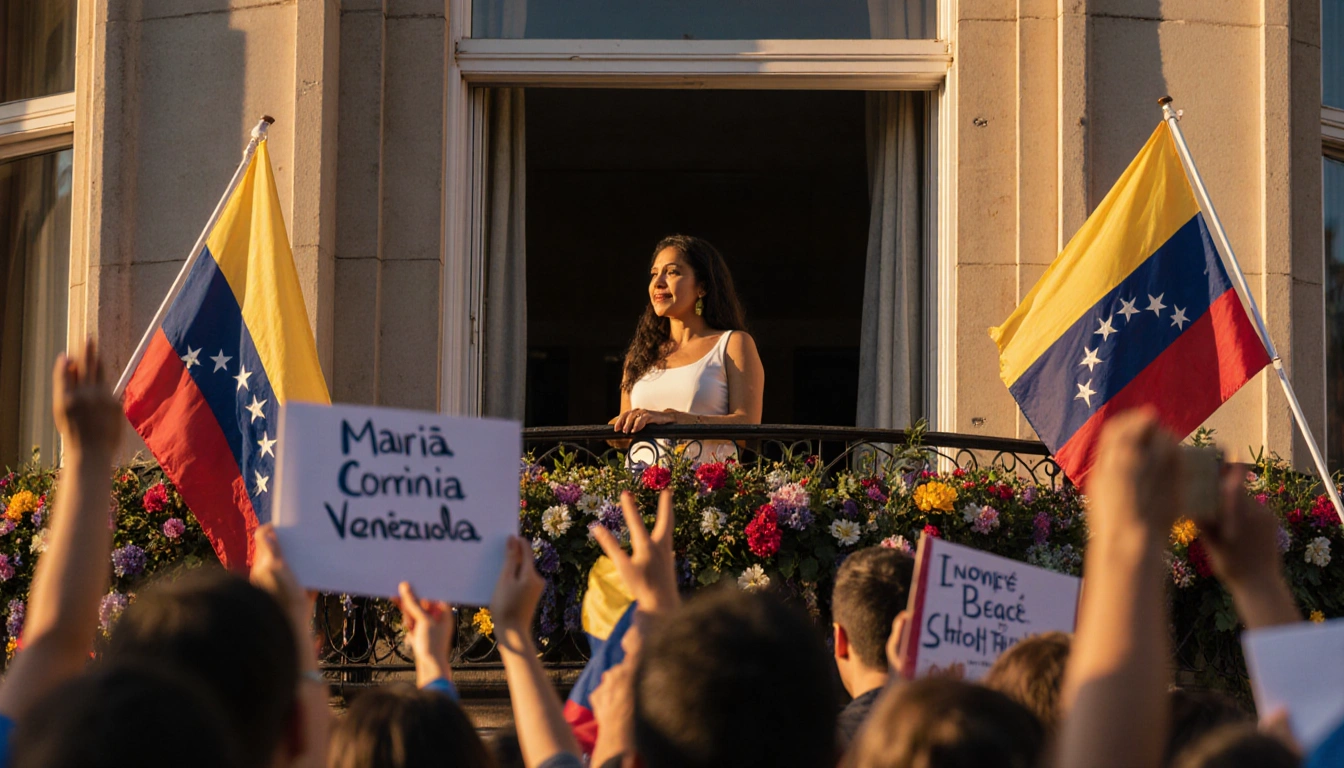
María Corina Machado emerged from a balcony in Oslo’s Hotel Continental on Thursday, waving to a crowd that had gathered to welcome the 58‑year‑old opposition leader back into public view after 11 months of hiding.
The Historic Return
The moment was a dramatic culmination of Machado’s escape from Venezuela. She had been in hiding since Jan. 9, after a brief detention at a protest in Caracas, and had been expected to attend the Nobel ceremony in Oslo. An audio recording released on the Nobel website explained that she would not arrive in time but that many people had “risked their lives” for her to get to the city.
When she stepped onto the balcony, the crowd chanted “Freedom! Freedom!” and sang Venezuela’s national anthem. Machado, dressed in jeans and a puffer jacket, spent several minutes outside the hotel, hugging supporters and hearing chants of “President! President!” She told the gathered people, “I want you all back in Venezuela,” as phones flashed.
The Nobel Peace Prize Moment
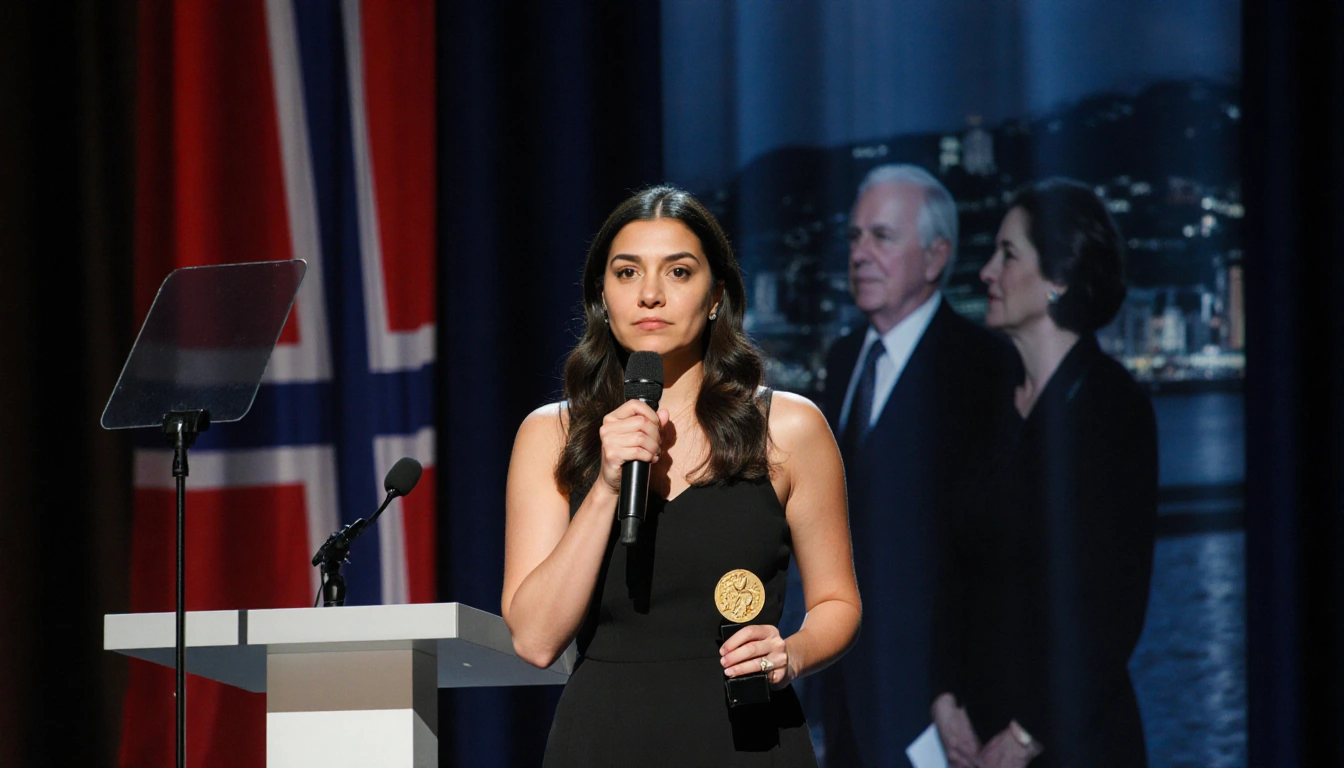
The Nobel Peace Prize was accepted on Machado’s behalf by her daughter, Ana Corina Sosa, who stood on the stage in Oslo. Sosa delivered a lecture written by her mother, stressing that the prize was “for all Venezuelans” and that she would soon embrace family and children she had not seen for two years.
Jørgen Watne Frydnes, chair of the Norwegian Nobel Committee, praised Machado’s courage. He told the ceremony that “María Corina Machado has done everything in her power to be able to attend the ceremony here today — a journey in a situation of extreme danger.” He also said, “Your power is not permanent. Your violence will not prevail over people who rise and resist. Mr. Maduro, accept the election result and step down.”
Flight‑tracking data show that the plane Machado arrived on flew from Bangor, Maine, to Oslo.
International Solidarity
The ceremony was attended by several Latin‑American leaders, including Argentine President Javier Milei, Ecuadorian President Daniel Noboa, Panamanian President José Raúl Mulino, and Paraguayan President Santiago Peña. Their presence underscored regional support for Machado’s fight for a democratic transition.
In her speech, Sosa said, “More than anything, what we Venezuelans can offer the world is the lesson forged through this long and difficult journey — that to have democracy, we must be willing to fight for freedom.” She did not mention tensions between Washington and Caracas.
Political Context
Machado had won an opposition primary and intended to challenge President Nicolás Maduro in the 2024 presidential election, but the government barred her from running. Retired diplomat Edmundo González replaced her. The July 28, 2024 election saw widespread repression, including disqualifications, arrests, and human rights violations. The National Electoral Council, dominated by Maduro loyalists, declared Maduro the winner.
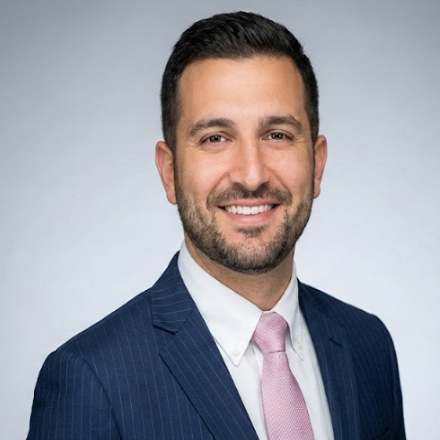
González, who sought asylum in Spain after a Venezuelan court issued a warrant for his arrest, attended the Nobel ceremony.
U.N. human rights officials and independent rights groups have called for Maduro to be held accountable for the crackdown on dissent.
Reflections and Quotes
Sosa echoed her mother’s determination: “She wants to live in a free Venezuela, and she will never give up on that purpose.” Machado herself expressed gratitude: “I am very grateful to them, and this is a measure of what this recognition means to the Venezuelan people,” she said before indicating she would board a plane.
Gustavo Tovar‑Arroyo, a Venezuelan human rights activist, remarked, “Machado’s supporters did the best for her to be here as she deserves. But we knew the risk. We are disappointed that she cannot be in the ceremony, but this is part of what we do when we fight against a dictatorship, a tyranny or a criminal regime.”
Past Nobel Peace Prize laureates who could not attend include Narges Mohammadi (2023), Ales Bialiatski (2022), Liu Xiaobo (2010), Aung San Suu Kyi (1991), and Carl von Ossietzky (1935).
Key Takeaways
- Machado returned to public view in Oslo after 11 months of hiding, waving to an emotional crowd.
- Her daughter accepted the Nobel Peace Prize on her behalf, emphasizing the award’s significance for all Venezuelans.
- Latin‑American leaders attended the ceremony, signaling regional solidarity.
- Machado’s political journey has been marred by repression, disqualification, and a contested election.
Closing
María Corina Machado’s appearance in Oslo marks a pivotal moment in Venezuela’s struggle for democracy. While she could not attend the ceremony in person, her presence—through her daughter and the support of international leaders—underscored the resilience of Venezuelans seeking freedom and a return to democratic governance.