At a Glance
- 12 countries were added to the U.S. travel ban, with 7 receiving partial restrictions.
- Mali and Burkina Faso announced bans on U.S. citizens in retaliation.
- The bans were announced on Dec. 16, after Trump expanded restrictions to 20 countries.
- Why it matters: These moves deepen tensions between West African military governments and the U.S., affecting travel and diplomatic relations.
The U.S. and two West African junta-led states have entered a new round of reciprocal travel restrictions, with Mali and Burkina Faso banning U.S. citizens after President Trump broadened the travel ban to include 20 additional countries.
Retaliatory Bans on U.S. Citizens
Mali and Burkina Faso’s foreign ministers released separate statements declaring that U.S. nationals would face the same entry conditions as their own citizens, effective immediately.
- Mali – full ban on U.S. nationals.
- Burkina Faso – full ban on U.S. nationals.
Context and Motivations
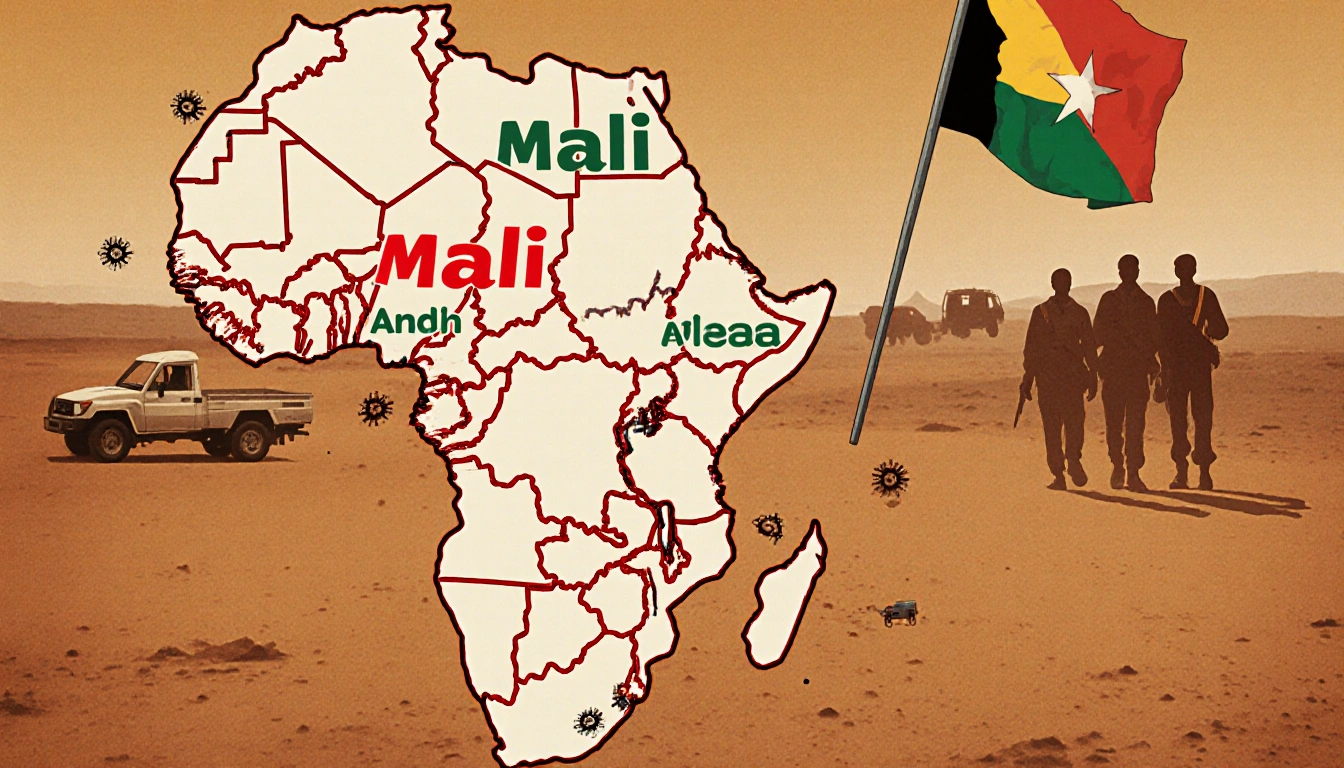
The U.S. cited persistent attacks by armed groups as a reason for the travel ban, while Mali and Burkina Faso blame insecurity that has plagued their nations after the coups that toppled civilian governments.
| Country | Ban on U.S. Nationals | Ban on Their Nationals in U.S. |
|---|---|---|
| Mali | Full ban | Full ban |
| Burkina Faso | Full ban | Full ban |
Trump’s order, signed on Dec. 16, expanded earlier restrictions to 20 more countries, including Mali, Burkina Faso, and Niger.
> “Transportation Secretary Sean Duffy said the U.S. is ready for soccer fans to travel between host cities during the 2026 FIFA World Cup.”
Key Takeaways
- Mali and Burkina Faso ban U.S. citizens.
- U.S. travel ban expanded to 20 countries on Dec. 16.
- Reciprocal bans reflect ongoing security concerns in West Africa.
The reciprocal travel restrictions underscore the strained relationship between the U.S. and West African military governments, with both sides citing security concerns as justification.