
From December 26 to January 1, African and African-American communities across the United States gather to honor their heritage in a holiday that began in 1966 and has grown into a vibrant celebration of culture, unity, and tradition.
What Is Kwanzaa?
Kwanzaa is a non-religious holiday that lasts seven days. It celebrates African and African-American history and culture, bringing families and communities together in shared observances and reflection.
When Is Kwanzaa Celebrated?
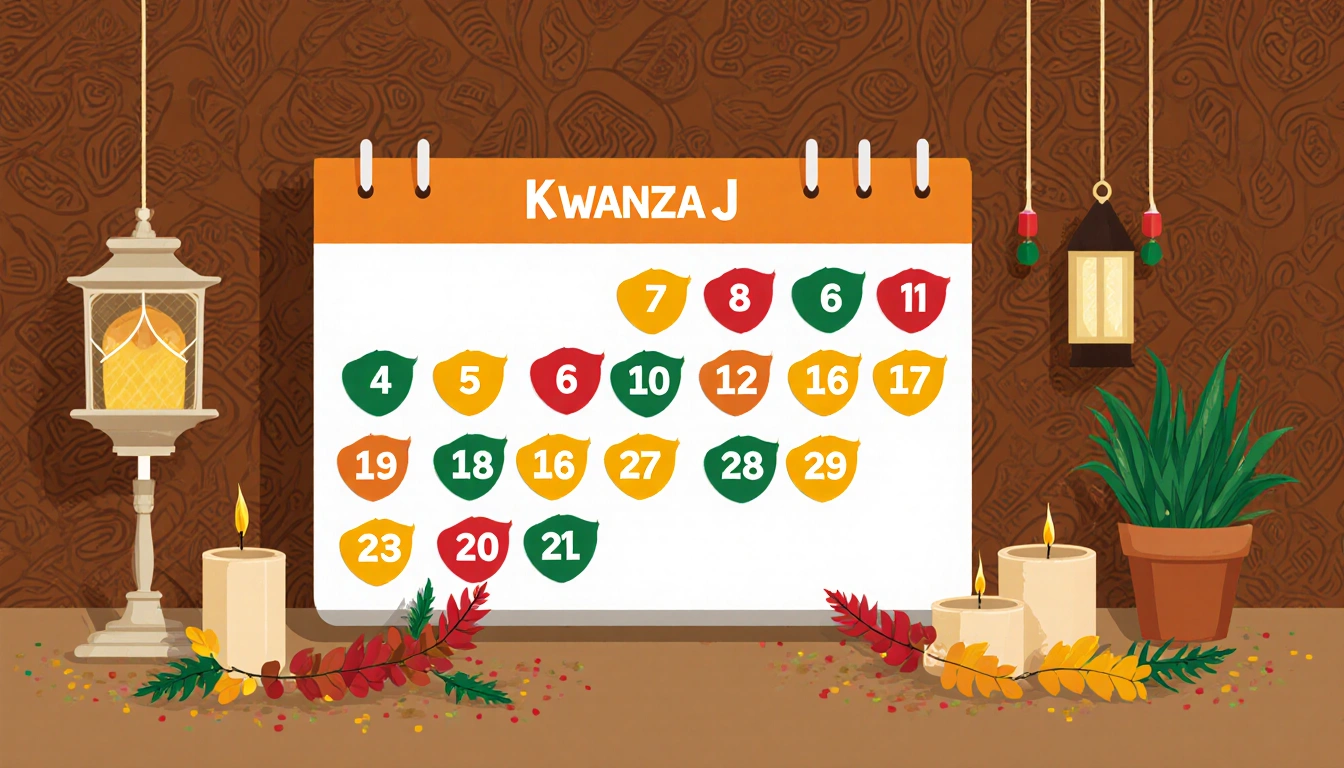
The holiday is observed each year from December 26 through January 1. The dates provide a seasonal window for families to pause, gather, and celebrate.
The Origins of Kwanzaa
Kwanzaa was created in 1966 by activist and author Maulana Ron Karenga. Karenga designed the holiday to bring Black Americans together and to reaffirm and restore African heritage and culture. The idea drew on harvest festivals celebrated across Africa. The name comes from the Swahili phrase 'matunda ya kwanza,' which means 'first fruits.' The holiday gained popularity in the 1980s and 1990s, a period marked by the rise of the Black Power movement.
How Families Celebrate
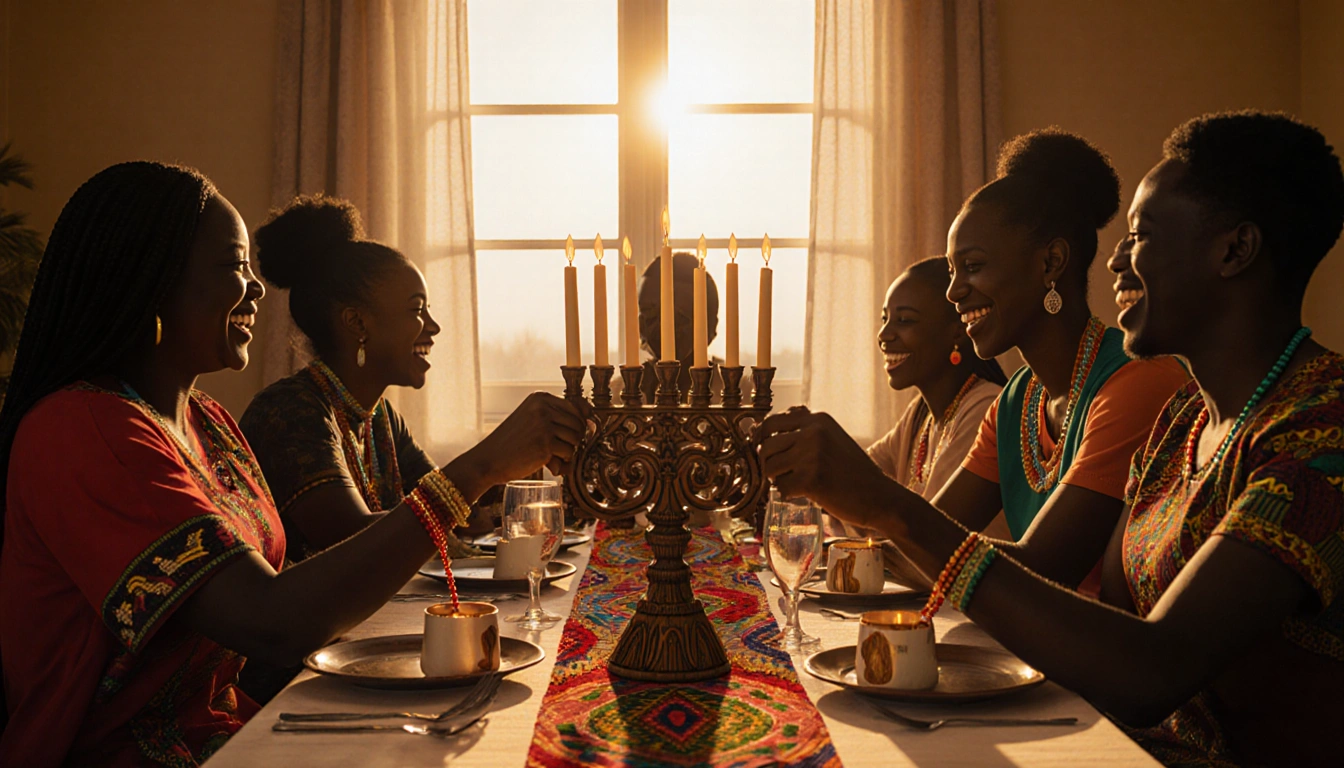
During the week-long celebration, families come together to share meals of African diaspora-inspired foods. They recite the works of famous Black writers and thinkers, and they light one of the candles on the kinara each day. The kinara is a seven-branched candelabra that holds one black candle, three red candles, and three green candles. The colors mirror the three-stripe Pan-African flag: red represents the historical struggle Black people have faced worldwide; green symbolizes a hopeful future; and black embodies African American people. Families also decorate with symbols rooted in African culture, such as a woven mat called a Mkeka, an ear of corn for each child in the house (Muhindi), fruit to represent the harvest (Mazao), and gifts (Zawadi).
The Seven Principles
Each day of Kwanzaa focuses on one of the seven principles, known as Nguzo Saba. They are:
- Umoja (Unity)
- Kujichagulia (Self-Determination)
- Ujima (Collective Work and Responsibility)
- Ujamaa (Cooperative Economics)
- Nia (Purpose)
- Kuumba (Creativity)
- Imani (Faith)
Families light a candle on the kinara that corresponds to the day's principle, allowing everyone to reflect on its meaning and how it applies to their lives.
Daily Rituals
Lighting the kinara is central to the daily observances. Families gather to light the appropriate candle and share stories, prayers, or reflections that honor the principle being celebrated. Meals are often communal, and songs or poems may be performed. The act of lighting the candle serves as a reminder of the values that bind the community together.
Cultural Significance
Kwanzaa is intentionally non-religious, making it accessible to people of all faiths and backgrounds. Its emphasis on heritage, community, and shared values offers a framework for celebrating African roots while fostering unity in a diverse society. By drawing on African traditions and modern expressions, the holiday bridges past and present.
Modern Observances
From gift guides to local events, families have many ways to participate. Community centers, churches, and schools often host Kwanzaa celebrations, offering educational programs, cultural displays, and festive gatherings. These activities help keep the holiday alive and relevant for new generations.
Key Takeaways
- Kwanzaa is a seven-day, non-religious holiday celebrated from December 26 to January 1.
- It was founded in 1966 by Maulana Ron Karenga to honor African heritage and foster unity among Black Americans.
- Families observe the holiday by sharing meals, lighting the kinara, and reflecting on the seven Nguzo Saba principles.
Kwanzaa remains a powerful reminder of shared history, cultural pride, and the collective spirit that unites communities across the nation.