

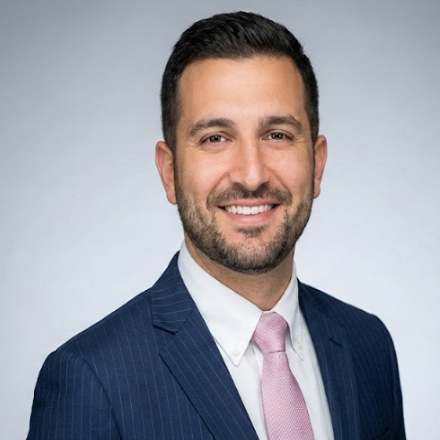
On Wednesday, Dec. 17, 2025, a judge in Philadelphia accepted the guilty plea of Kimbrady Carriker, a 43‑year‑old man who had killed five people and injured five others in a deadly shooting spree that began on July 3, 2023.
Background of the Spree
Carriker’s violent outburst started at the intersection of 56th and Chester streets in the Kingsessing neighborhood. Police reports say the gunman fired an AR‑15‑style rifle, killing four residents—Lashyd Merritt, 20; Dymir Stanton, 29; Ralph Moralis, 59; and Daujan Brown, 15—while wounding five others. A day earlier, on July 2, he killed 31‑year‑old Joseph Wamah Jr. in a separate incident.
Arrest and Legal Proceedings

When authorities apprehended Carriker, he was wearing body armor and carrying the rifle. He was initially deemed unfit for trial in August 2023 after a psychiatrist ordered 60 days of inpatient mental‑health treatment. By March 2024, a court found him competent and fit for trial.
Guilty Plea and Sentencing
On Dec. 17, 2025, the judge accepted Carriker’s plea to five counts of murder and five counts of attempted murder. He was sentenced to 37½ to 75 years in prison. During sentencing, Carriker said: “All I ever wanted to do was help my community,” Carriker said during his sentencing. “I never meant to cause this harm. I’m sorry for the pain that I’ve caused. I would take it back, but I can’t. Maybe one day you can forgive me.”
Impact on Police Operations
The killings prompted an evaluation of the Philadelphia Police Department’s dispatch system. Officers dispatched to the scene of Wamah’s slaying on the night before the spree were sent to the wrong location, a fact that highlighted systemic issues.
Key Takeaways
- Kimbrady Carriker pleaded guilty to five murders and five attempted murders in a July 2023 Kingsessing shooting spree.
- He received a 37½‑to‑75‑year prison sentence, following a court that found him competent after a psychiatric evaluation.
- The incident exposed flaws in the city’s police dispatch procedures, leading to a review of the system.
The case remains a stark reminder of the challenges faced by Philadelphia’s law‑enforcement and mental‑health communities.

