In a courtroom where the stakes are as high as the public interest, Utah County Judge Tony Graf faces a dilemma: protect a defendant’s right to a fair trial or uphold the public’s right to see justice in action.
Judge Tony Graf’s Balancing Act
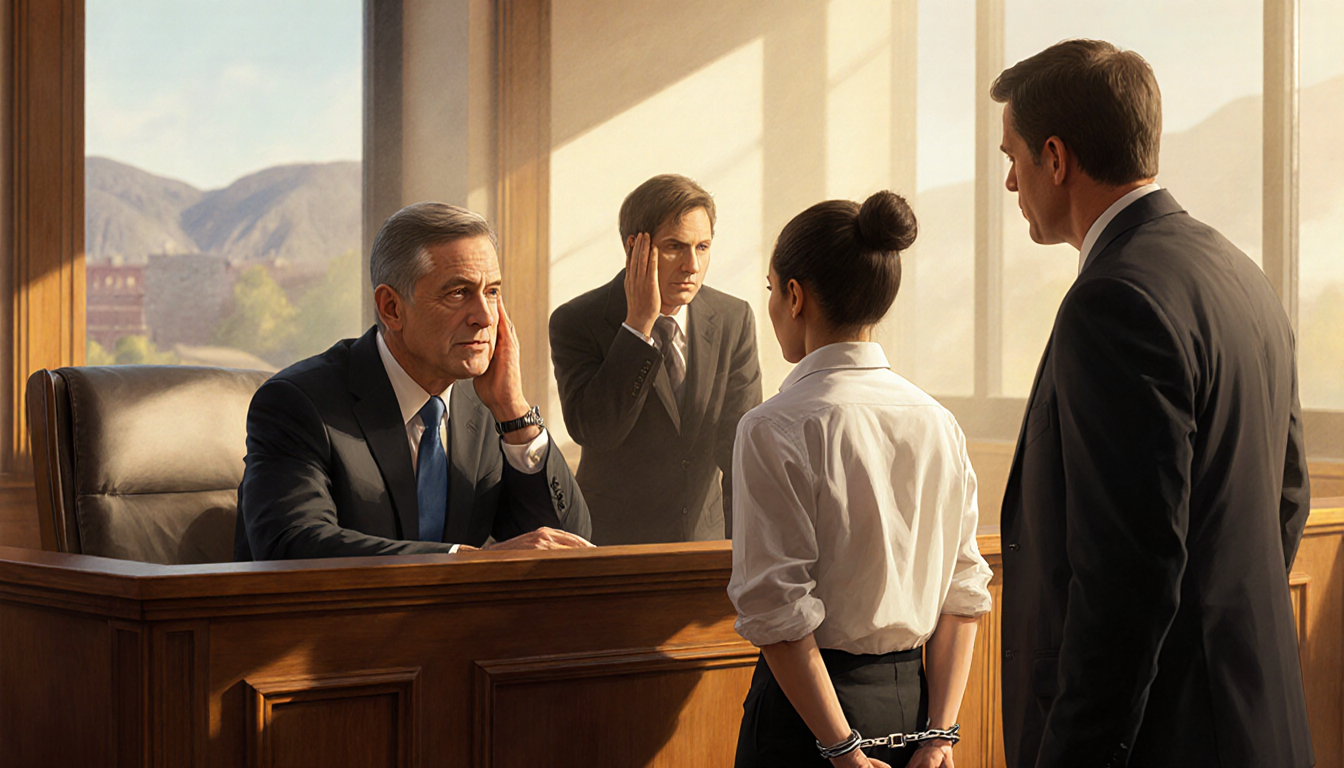
Judge Graf has already made accommodations for the intense scrutiny surrounding Tyler Robinson’s case. He agreed that Robinson could wear street clothes in pre‑trial hearings but must remain physically restrained, citing security concerns. In a closed hearing on Oct. 24, Graf also prohibited media from filming or photographing Robinson’s restraints after his attorneys warned that images of a shackled defendant could bias future jurors. The judge’s decision reflects the court’s effort to balance Robinson’s presumption of innocence with the public’s right to know.
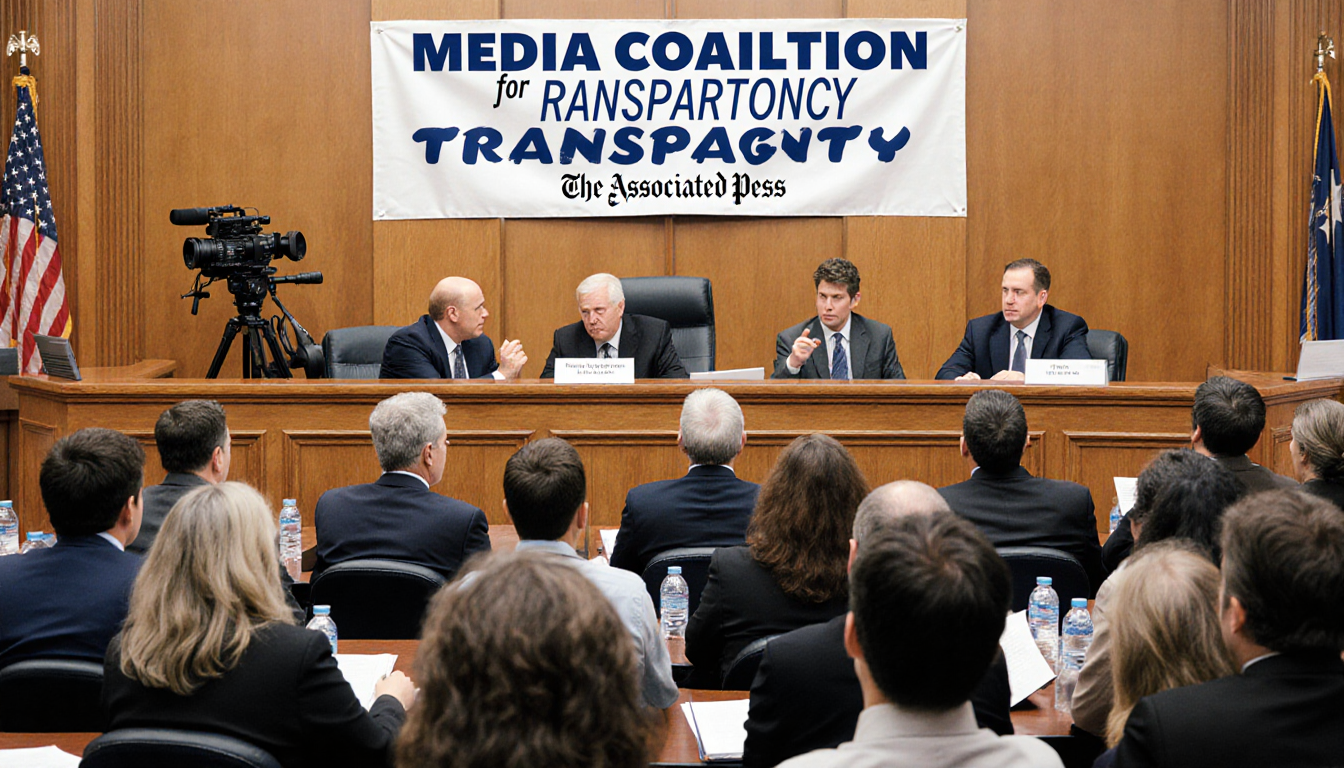
Media Coalition’s Battle for Transparency
A coalition of national and local outlets—including The Associated Press—has filed motions to keep cameras and reporters in the courtroom. Michael Judd, an attorney for the coalition, urged Graf to allow the media to weigh in on any future requests for closed hearings. Judd argues that an open court “safeguards the integrity of the fact‑finding process” and fosters public confidence in judicial proceedings. He notes that criminal cases in the U.S. have long been open to the public, proving that trials can be conducted fairly without restricting reporters.
Courtroom Restrictions and Restraints
Robinson’s legal team and the Utah County Sheriff’s Office have requested that Judge Graf ban cameras in the courtroom entirely. They cite concerns that the swarm of media attention could interfere with Robinson’s right to a fair trial. Meanwhile, the court has already limited media presence: judges typically designate one photographer and one videographer to document a hearing, sharing their images with other news organizations. Additional journalists may attend to listen and take notes, as can members of the public.
Prosecutors Seek Death Penalty
The state’s prosecutors have charged Robinson with aggravated murder for the Sept. 10 shooting of conservative activist Charlie Kirk on the Utah Valley University campus in Orem. They plan to seek the death penalty, a move that has intensified the case’s public profile. The prosecution’s pursuit of the ultimate punishment underscores the seriousness of the crime and the high stakes for all parties involved.
Public and Presidential Reaction
Robinson’s legal team claims that his pre‑trial publicity reaches as far as the White House. President Donald Trump announced shortly after Robinson’s arrest, “With a high degree of certainty, we have him,” and “I hope he gets the death penalty.” These statements have amplified the case’s visibility and added pressure on the court to manage media coverage carefully.
Misinformation and Digital Alterations
Attorney Kathy Nester has raised concerns that digitally altered versions of Robinson’s initial court photo have spread widely, creating misinformation about the case. Some altered images show Robinson crying or having an outburst in court, which did not happen. The spread of these false images complicates the public’s understanding of the proceedings and raises questions about the integrity of online content.
Erika Kirk Calls for Cameras
Erika Kirk, the widow of the slain activist, spoke at a memorial for her husband and said, “We deserve to have cameras in there.” Her husband was an ally of President Trump who worked to steer young voters toward conservatism. Kirk’s call for full transparency reflects her belief that the public deserves to see the trial unfold.
Current Court Schedule and Logistics
Robinson was expected to appear in person Thursday after making previous court appearances via video or audio feed from jail, according to a transport order. The Utah County Sheriff’s Office is coordinating his movement to the courthouse, while the court has already designated a single photographer and videographer for the hearing. The logistics of the day are designed to minimize security risks while allowing limited media coverage.
Key Takeaways
- Judge Tony Graf is weighing the public’s right to know against Robinson’s right to a fair trial.
- A media coalition is fighting to keep cameras and reporters in the courtroom.
- Prosecutors plan to seek the death penalty for the Sept. 10 shooting of Charlie Kirk.
The case continues to unfold as the court balances security, fairness, and transparency amid intense public and media scrutiny.