
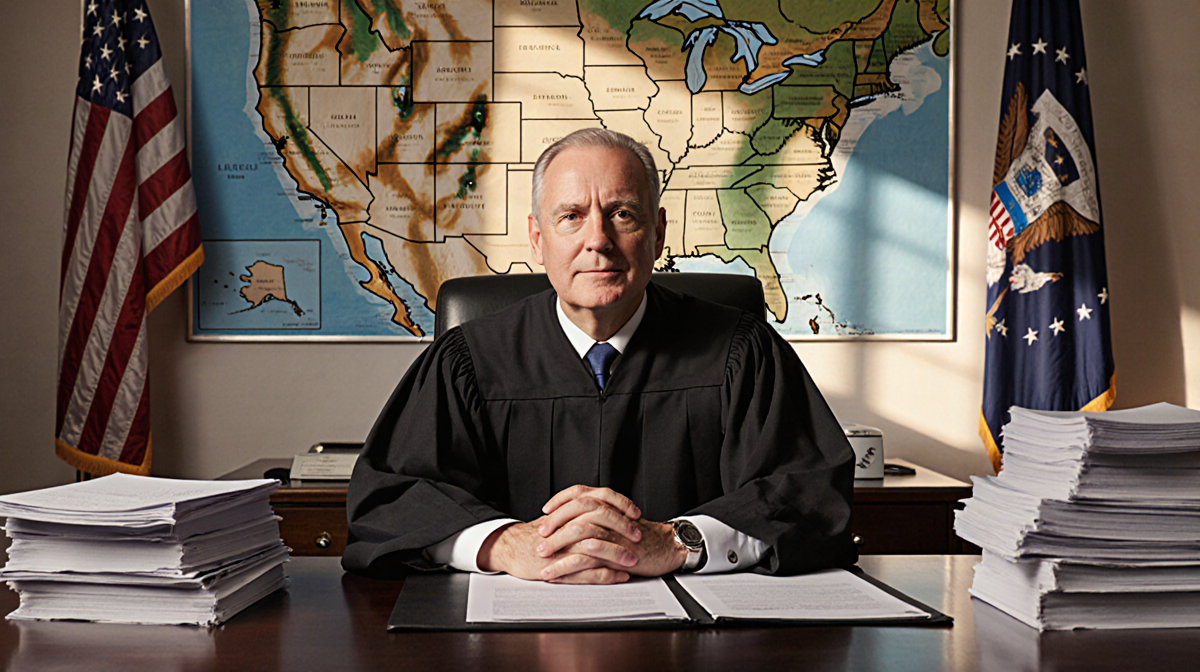

On Friday, U.S. District Judge Vernon Broderick extended a temporary order that keeps federal child-care subsidies flowing to five Democratic-controlled states. The decision delays the Trump administration’s plan to halt funding for California, Colorado, Illinois, Minnesota and New York while the legal battle over alleged fraud continues. The ruling means that more than $10 billion in aid will remain available for low-income families and children for at least two more weeks.
At a Glance
- Judge Broderick extended a temporary restraining order keeping child-care subsidies flowing.
- Five states-California, Colorado, Illinois, Minnesota, New York-remain funded for two more weeks.
- The federal government paused the money because it suspected illegal recipients, but has not provided evidence.
- The states argue the freeze is unlawful and politically motivated.
- Why it matters: The freeze could cut support for 1.3 million children and tens of thousands of families.
Background of the Funding Freeze
In early January, the U.S. Department of Health and Human Services (HHS) sent letters to the five states warning that they would be placed on “restricted drawdown” of program money until the states supplied additional data on program beneficiaries. The request covered the Child Care and Development Fund, the Temporary Assistance for Needy Families (TANF) program, and the Social Services Block Grant. The data deadline was set for January 20, requiring the states to submit names, Social Security numbers and other personal information for recipients beginning in 2022.
The states received a total of more than $10 billion a year from those programs and say the funds are essential for low-income and vulnerable families. HHS cited a “reason to believe” that the states were granting benefits to people in the country illegally, but did not provide evidence or explain why it targeted only those states.
Judge’s Decision and Its Implications
Judge Broderick had previously granted the states a temporary reprieve from the administration’s plan to halt funding unless the states provided the requested information. The temporary restraining order was set to expire on Friday, the same day the judge issued the new extension.
The judge said he would decide later whether the money should remain in place while the legal challenge moves through the courts. For now, the extension keeps the flow of federal dollars uninterrupted for the five states.
Key Numbers
| Program | Annual Funding | Children Affected |
|---|---|---|
| Child Care and Development Fund | $3 billion | 1.3 million |
| Temporary Assistance for Needy Families | $4 billion | 200,000 |
| Social Services Block Grant | $3 billion | 100,000 |
The table shows the scale of the programs and the families that rely on them.
States’ Response and Legal Arguments
In court papers last week, the states argued that the freeze does not follow the law. They pointed out that Congress established specific procedures for identifying noncompliance or fraud, and that the federal government has not followed those procedures.
The states also claimed that freezing funding broadly because of potential fraud is improper, and that the data requested by HHS is an “impossible demand on an impossible timeline.” They described the action as “unlawful many times over.”
Administration’s Position
In a court filing this week, the administration objected to the states describing the action as a “funding freeze,” even though the HHS announcement headline read: “HHS Freezes Child Care and Family Assistance Grants in Five States for Fraud Concerns.”
Federal government lawyers said the states could receive the money going forward if they provide the requested information and the federal government finds them to be in compliance with anti-fraud measures. The administration also noted that it has continued to provide funding to the states, a fact the court has not yet ruled on.
What This Means for Families
The temporary extension ensures that programs that provide child-care subsidies, cash assistance and job training remain available for families that rely on them. Without the funds, many parents could face higher childcare costs or lose access to essential services.

The decision also keeps the legal dispute alive, meaning that a final ruling could still cut funding or require stricter oversight. Families and advocacy groups are watching closely, as the outcome will shape the availability of services for 1.3 million children across the five states.
Key Takeaways
- Judge Broderick extended the temporary order, keeping federal funds flowing for two more weeks.
- The freeze was prompted by HHS concerns over alleged illegal recipients, but no evidence was provided.
- The five states argue the freeze violates federal law and is politically motivated.
- The administration maintains it has complied with the law and continues to provide funding.
- The outcome will affect $10 billion a year in aid for low-income families and 1.3 million children.
The legal battle continues, and the next court decision could have lasting effects on child-care subsidies and social services in the five states.