
At a Glance
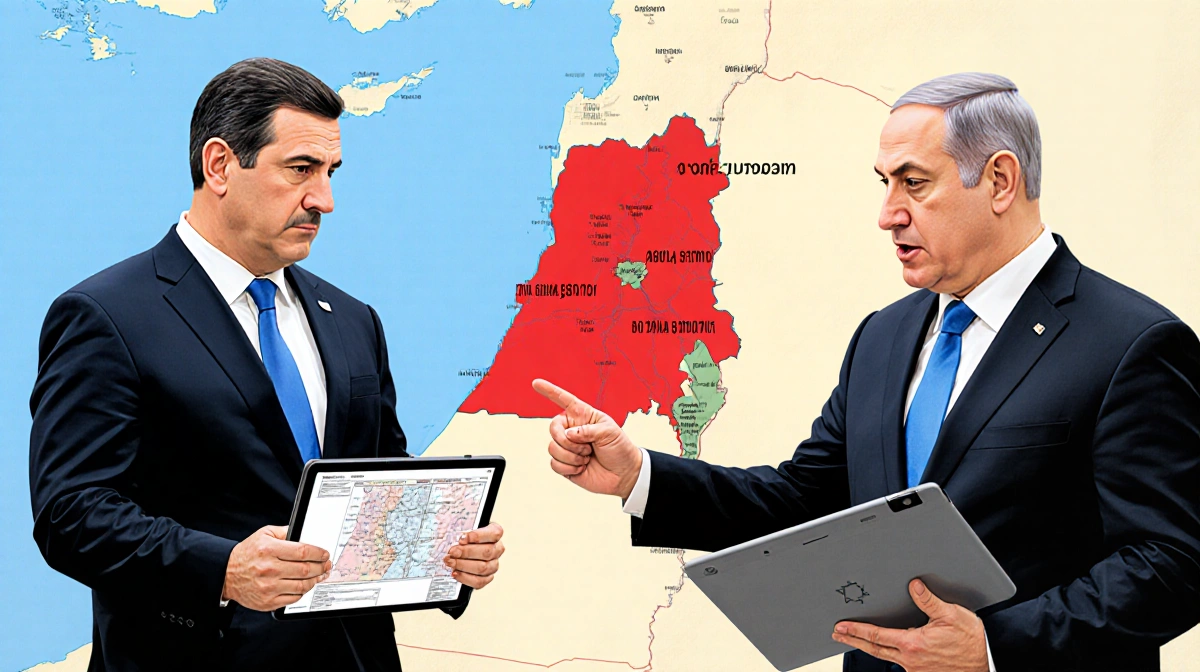
- Israel publicly rejected the White House-formed Gaza executive committee, saying it was “not coordinated” and “contrary to its policy”
- The 15-member panel includes Trump allies, Arab diplomats, and Israeli billionaire Yakir Gabay, but no Israeli officials
- Prime Minister Benjamin Netanyahu ordered the foreign ministry to contact Secretary of State Marco Rubio over the dispute
- Why it matters: The rift threatens U.S.-led post-war planning for Gaza just as the fragile cease-fire enters its second phase
Israel’s government issued a rare public rebuke of the Trump administration on Saturday, objecting to the White House announcement of a new international committee that will oversee Gaza’s future.
The move exposes growing tensions between the close allies over who will shape the enclave’s governance once the Israel-Hamas war ends.
Israel: Panel Was Not Coordinated
In a sharply worded statement, Netanyahu’s office said the newly formed Gaza executive committee “was not coordinated with Israel and is contrary to its policy.” The terse release offered no further details on which aspects of the panel Israel opposes.
Netanyahu has instructed the foreign ministry to lodge a formal protest with Secretary of State Marco Rubay, according to the same statement.
The committee, unveiled Friday, is tasked with guiding reconstruction and security in Gaza under what the White House calls a Trump-led “Board of Peace.” Membership includes:
- U.S. Secretary of State Marco Rubio
- Trump envoy Steve Witkoff
- Former President Trump’s son-in-law Jared Kushner
- Ex-British Prime Minister Tony Blair
- Apollo Global Management CEO Marc Rowan
- World Bank President Ajay Banga
- Trump’s Deputy National Security Adviser Robert Gabriel
Arab representation comes from:
- Qatar’s diplomat
- Egypt’s intelligence chief
- UAE Cabinet minister
- Turkey’s foreign minister
Israeli billionaire Yakir Gabay sits on the panel, but no Israeli government official was included.
Hard-liners Rally Behind Netanyahu
Within minutes of Israel’s statement, far-right National Security Minister Itamar Ben-Gvir endorsed the prime minister’s stance and urged him to “order the military to prepare to return to war.”
Ben-Gvir leads a faction that opposes any arrangement that keeps Hamas armed or allows large-scale Palestinian self-rule in Gaza.
Cease-fire Enters Phase Two
The diplomatic spat erupts as the U.S.-brokered truce moves into its second, more complex stage. Under the plan:
- A new Palestinian committee will run day-to-day affairs in Gaza
- An international security force will deploy
- Hamas is expected to disarm
- Reconstruction of bomb-damaged infrastructure will begin
The cease-fire took effect on October 10. Phase one saw Hamas free remaining hostages, Israel release hundreds of Palestinian detainees, and humanitarian aid surge into the strip.
Palestinian Islamic Jihad Also Objects
Gaza’s second-largest militant group, Palestinian Islamic Jihad, criticized the executive committee lineup, claiming it meets Israeli “specifications.” The statement signals potential friction with armed factions that have yet to lay down weapons.
Trump’s Regional Push
President Trump outlined the U.S. vision for Gaza during a speech to Israeli lawmakers at the Knesset before heading to an Egypt-hosted Middle East peace summit. He hailed the committee structure as a path to “permanent stability” but gave no timeline for naming the broader Board of Peace.
Key Takeaways
- Israel’s public break with Washington highlights divergent end-goals for Gaza
- The absence of Israeli officials on the panel may limit its legitimacy inside Israel
- Arab state involvement aims to reassure Palestinians, yet militant groups remain skeptical
- Phase-two implementation now hinges on whether Netanyahu and Trump can bridge the coordination gap