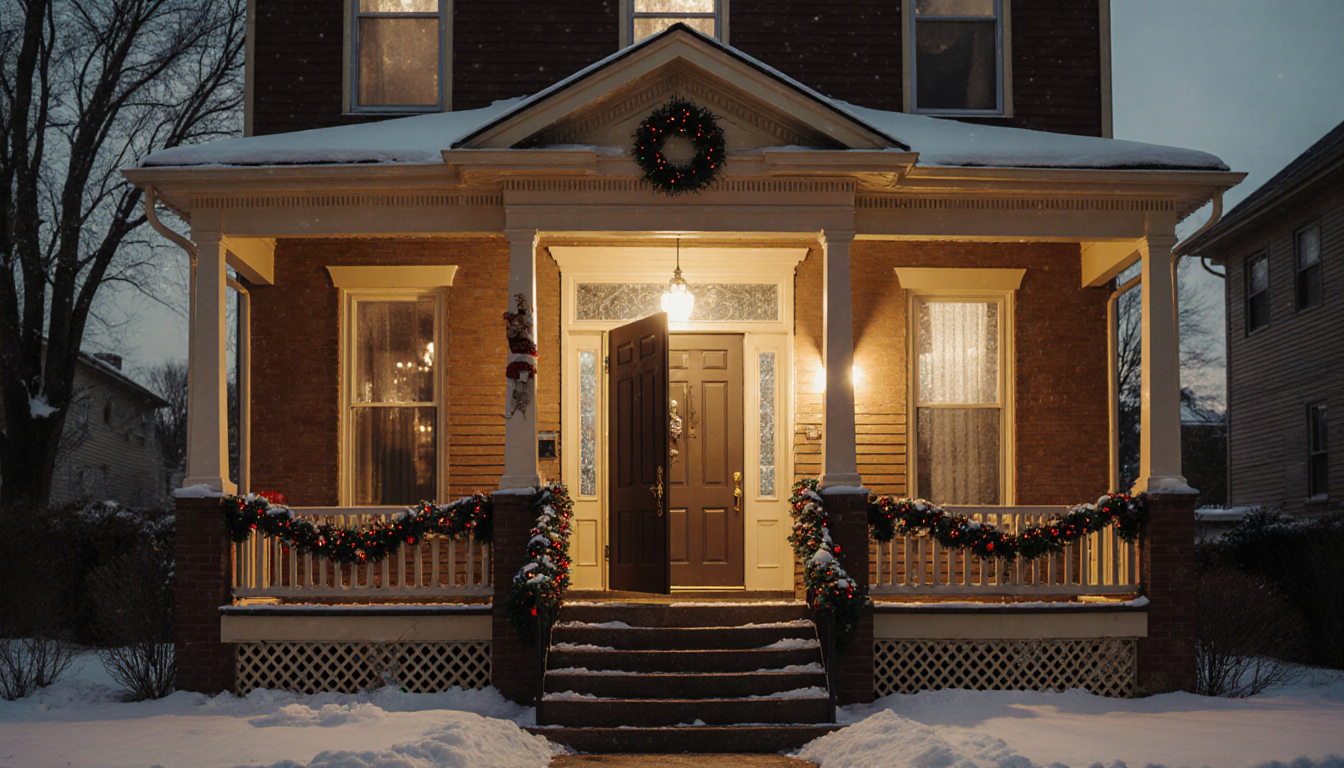

The house that made millions laugh and cry on Christmas Eve is back in the spotlight, not because of its cinematic legacy, but because it just sold for more than $5 million. The sale took place earlier this year, when the iconic suburban Chicago home that served as the backdrop for the 1990 film “Home Alone” was listed on the market. The final price exceeded $5 million, a figure that surprised many fans of the beloved holiday movie. The sudden ownership change has reignited discussions about the house’s appearance and history.
The listing images of the home’s interior first appeared when it was sold earlier this year for more than $5 million. Fans flocked to the property’s online photos and compared them to the familiar scenes from the film, noting stark differences between the movie’s nostalgic look and the modern interior. The disparity between the film’s aesthetic and the renovated space sparked questions from many viewers. Social media users debated whether the updates honored or betrayed the house’s legacy. The conversation has highlighted how deeply the film’s setting resonates with audiences.
Fans React on Social Media
Many users took to social media to voice their disappointment with the modern look that has replaced the original décor. One user wrote, “I would have paid 10x more for that house if it was kept original. Just like a classic car it’s worth more. Now this house looks like every other house,”. Another commented, “A moment of silence for what once was a house, and is now a sterile doctors office.” A third user said, “I am all for a modern aesthetic, but I can’t imagine changing that home into that sterile looking padded room.” These comments illustrate the emotional attachment fans feel toward the house’s original charm.
Additional comments described the new design as having “removed its soul” and called the house “incredibly depressing.” The backlash has been fueled by the perception that the renovations stripped away the unique character that made the film memorable. Fans have expressed frustration that the house now resembles a generic modern dwelling. The discussion continues to spread across various online platforms, with many urging the new owner to reconsider the changes. Some users have suggested that the restoration should be guided by the film’s original aesthetic.
Behind the Scenes of Home Alone
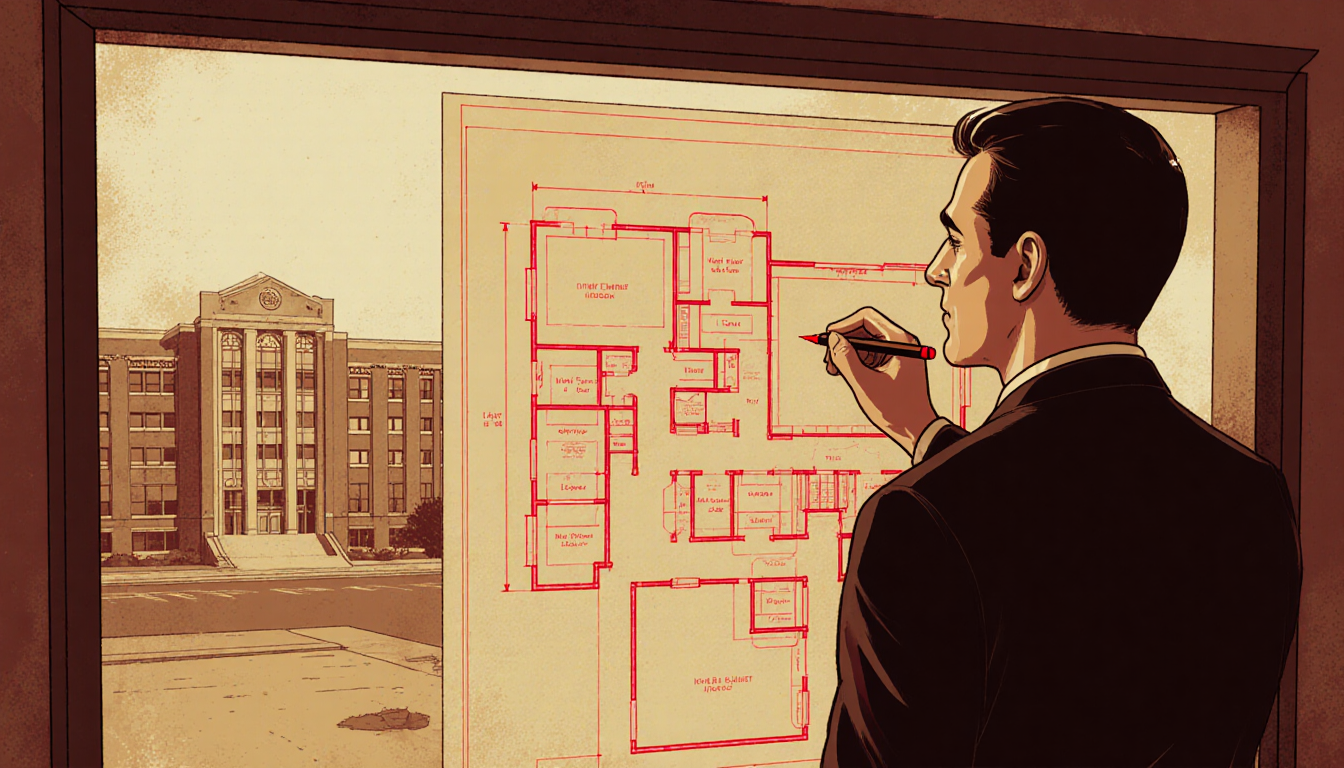
A 2019 episode of Netflix’s series The Movies That Made Us provided a behind‑the‑scenes look at the production of “Home Alone.” The episode revealed that the mansion on Lincoln Avenue was too small to accommodate the entire crew, prompting director Chris Columbus to devise a workaround. Columbus explained that while the house was used for exterior shots, the interior scenes were filmed at New Trier Township High School, which had closed in 1981 after declining enrollment. The high school’s closed campus provided a spacious backdrop that could accommodate the film’s elaborate set pieces. This creative solution allowed the filmmakers to capture the iconic house’s exterior while meeting production needs.
During the film’s production, the original owners of the house lived there and shared their experience with NBC Chicago earlier this year. “We lived here during the filming,” John Abendshien said. “We were able to create our own apartment within the home, we had the second‑floor master bedroom.” Abendshien’s account highlights how the family adapted the space to accommodate the crew and the demands of filming. He recalled the bustling atmosphere and the sense of community that developed among the cast and crew. His memories provide a personal glimpse into the house’s role during the movie’s production.
Abendshien sold the property in 2012, but his memories of the house remain vivid. He described how the space felt like a second home during the hectic filming schedule. The sale marked the end of an era for the family who had become part of the house’s history. Despite the sale, Abendshien’s recollections continue to circulate among fans who cherish the film’s behind‑the‑scenes stories. His narrative underscores the lasting impact of the house on those who lived there.
Renovations Over the Decade
The house underwent a major renovation in the past decade, a fact that has been cited by some as a reason for the changes that upset fans. The renovation included updates to the kitchen, bathrooms, and living spaces, giving the home a contemporary feel. These updates were likely aimed at increasing the property’s market value and aligning it with modern living standards. However, the alterations also altered the house’s original character, leading to fan criticism. The renovation history is a key factor in understanding the current state of the property.
However, the most recent sale brings a different narrative. The new owner, who purchased the property earlier this year, has announced plans to restore the home to the exact look it had during the 1990 filming. The restoration effort will involve meticulous research into the original color palette, furnishings, and architectural details. The owner intends to replicate the décor, layout, and ambiance that appeared in the film’s scenes. This plan signals a commitment to preserving the house’s cultural significance.
New Owner’s Restoration Plan
According to NBC Chicago, the front door and several windows are currently boarded up to protect the interior while restoration work is underway. The boarding up is a temporary measure to preserve the original paint, wallpaper, and architectural details that were removed during the renovation. The protective measures aim to prevent damage from weather and unauthorized access. This action reflects the seriousness of the restoration project and the owner’s dedication to authenticity. The boarding up has become a visible sign of the upcoming transformation.
Restoration efforts aim to bring back the original charm that made the house a cultural icon. The new owner intends to recreate the décor, color scheme, and layout that appeared in the film. The project will involve sourcing period‑appropriate materials and furnishings that match the 1990 aesthetic. The restoration will also address structural elements that were altered during the renovation. The goal is to return the house to its original state as seen on screen.
Key Takeaways
- The iconic Home Alone house sold for over $5 million in 2024.
- Fans criticized modern renovations and demanded a return to the film’s original look.
- The new owner plans a full restoration to the 1990 aesthetic, with boarding up to protect the interior.
Fans who have long awaited the return of the “Home Alone” aesthetic have welcomed the restoration plan. The move is seen as a nod to the house’s legacy and a way to honor the film’s enduring popularity. Many online commentators have expressed excitement that the house will regain its former glory. The restoration promises to rekindle the nostalgia that has drawn viewers to the film for decades. The project has sparked renewed interest in the property’s history. The renewed focus on the house underscores how film locations can become treasured cultural landmarks. This initiative may inspire similar restorations of other iconic film locations.