

When holiday parties fill the calendar, the question of how much alcohol to sip becomes more than a casual curiosity. The truth is, not all drinks are created equal, and the way they’re measured can surprise even the most seasoned drinker.
What Counts as One Drink?
Before comparing beer, wine and liquor, it’s important to understand a standard drink size, because most pours are larger than people realize. The alcohol content of a drink is measured by its alcohol by volume (ABV) percentage. This number represents the total volume of liquid in a beverage that consists of alcohol. A drink with a higher ABV has more alcohol.
Most beer has an ABV of around 5%, though craft beers can be much higher. Most wines have an ABV of 11–13%, while spirits are typically around 40% ABV. A standard beer, wine or liquor contains roughly the same amount of alcohol, but the serving size varies based on the ABV.
According to the U.S. Centers for Disease Control and Prevention (CDC), these are the standard serving sizes of different alcoholic beverages:
- 12 ounces of beer with 5% alcohol
- 8 ounces of malt liquor with 7% alcohol
- 5 ounces of wine with 12% alcohol
- 1.5 ounces (one shot) of distilled spirits (80-proof, or 40% ABV)
Drinking more than these amounts in one glass can quickly turn one drink into two or three, which can affect calorie intake, sleep and how you feel the next day.
Is Wine the Healthiest Choice?
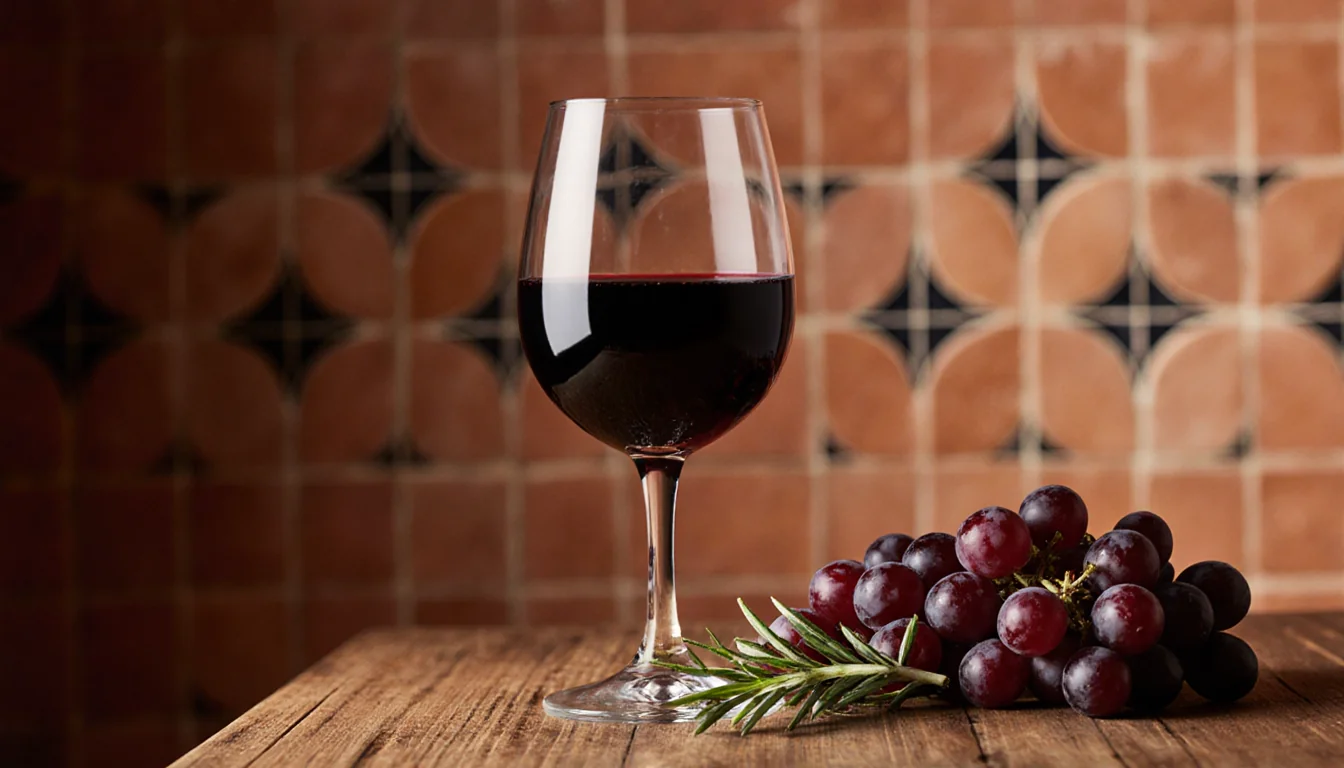
Wine — especially red wine — often gets a health halo because it contains antioxidants that may reduce inflammation and support heart health. Red wine is part of the Mediterranean diet, one of the healthiest eating patterns in the world.
However, health experts caution against overestimating wine’s benefits. Doctors warn about the increased cancer risk associated with alcohol and remind patients that these same antioxidant compounds are also found in grapes, berries and other plant-based foods. Dr. Jeremy London, a board‑certified cardiovascular surgeon, has previously told TODAY.com that eliminating alcohol was one of the most beneficial decisions he made for his health.
That said, when consumed in moderation, wine may have a slight nutritional edge over other alcoholic beverages due to its antioxidant content. Still, wine is not a health food, and more is not better.
Is Beer a Gut‑Friendly Drink?
Beer contains compounds created during fermentation, which is why it’s sometimes associated with gut health. Some beers also provide small amounts of B vitamins and antioxidants from hops and grains.
However, beer tends to be higher in carbohydrates and calories than wine or spirits. For people watching their blood sugar or weight, beer may not be the best choice, especially when drinking pints or higher‑alcohol craft beers.
Any alcohol, regardless of the source, can irritate the digestive tract and disrupt the gut microbiome. As a result, any potential gut benefit from fermentation is limited. You’re much better off eating fermented foods, like sauerkraut, kimchi, pickles or yogurt, to support gut health.
Are Spirits the Lowest‑Calorie Option?
Liquors, such as vodka, tequila and gin, contain no carbohydrates and generally have fewer calories per serving than beer or wine. That’s why spirits are often considered a “lighter” option.
However, it’s easy to underestimate how much alcohol you’re actually consuming when having a cocktail. A true 1.5‑ounce pour without mixers is relatively low in calories, but many cocktails contain 2 or 3 ounces of liquor. On top of that, mixers like syrups, juices and liqueurs can add significant amounts of sugar and calories, increasing the calories, added sugar and risk of hangovers the next day.
The Healthiest Way to Drink
When it comes to alcohol and health, the most important factor isn’t beer versus wine versus liquor. It depends on how much, how often and why you’re drinking.
Here are some tips to drink more mindfully this holiday season:
- Be aware of portion sizes, and stick to one drink per day for women and two for men.
- Avoid daily drinking and save alcohol for special occasions.
- Choose drinks you genuinely enjoy rather than drinking out of habit.
- Drink slowly and aim to have a glass of water with each alcoholic beverage.
- Eat before drinking to help your body metabolize alcohol more slowly.
The bottom line is there’s no “healthy” alcoholic beverage. Wine, beer and liquor all have pros and cons, and alcohol isn’t necessary for good health. If you choose to drink, do so with moderation, portion control and enjoyment in mind. Pick what you like, savor it, and don’t let the health halo — or guilt — drive your choices.
Key Takeaways
- A standard drink contains the same amount of alcohol, but the volume differs by beverage type.
- Wine’s antioxidant content offers some benefits, but alcohol still carries cancer risks.
- Beer’s higher carb and calorie count can impact blood sugar and weight.
- Spirits are low in carbs but can become calorie‑heavy when mixed.
- Mindful drinking—portion control, hydration, and eating first—helps mitigate health risks.
The holiday season is a time for celebration, not for health compromises. By understanding what constitutes a drink and how each type stacks up, you can enjoy the festivities while keeping your well‑being in check.