
> At a Glance
> – Hesai will double capacity to 4 million sensors in 2026
> – Move follows Luminar’s Chapter 11 filing last month
> – Lidar now ships in 25% of China’s new EVs
> – Why it matters: Chinese dominance in lidar is accelerating as Western rivals fold
Chinese lidar-maker Hesai is racing to fill the void left by bankrupt rival Luminar, pledging to double production to 4 million units this year on surging demand from cars and robots.
Production Surge
The Shanghai-based firm will scale from its current 2 million-unit line after shipping just over 1 million last year. Executives told reporters at CES 2026 the jump is fueled by “accelerating demand” across automotive and robotics sectors.
- New target: 4 million sensors in 2026
- Previous high: 1 million-plus in 2025
- Timeline: Expansion planned within 12 months
Automotive Momentum
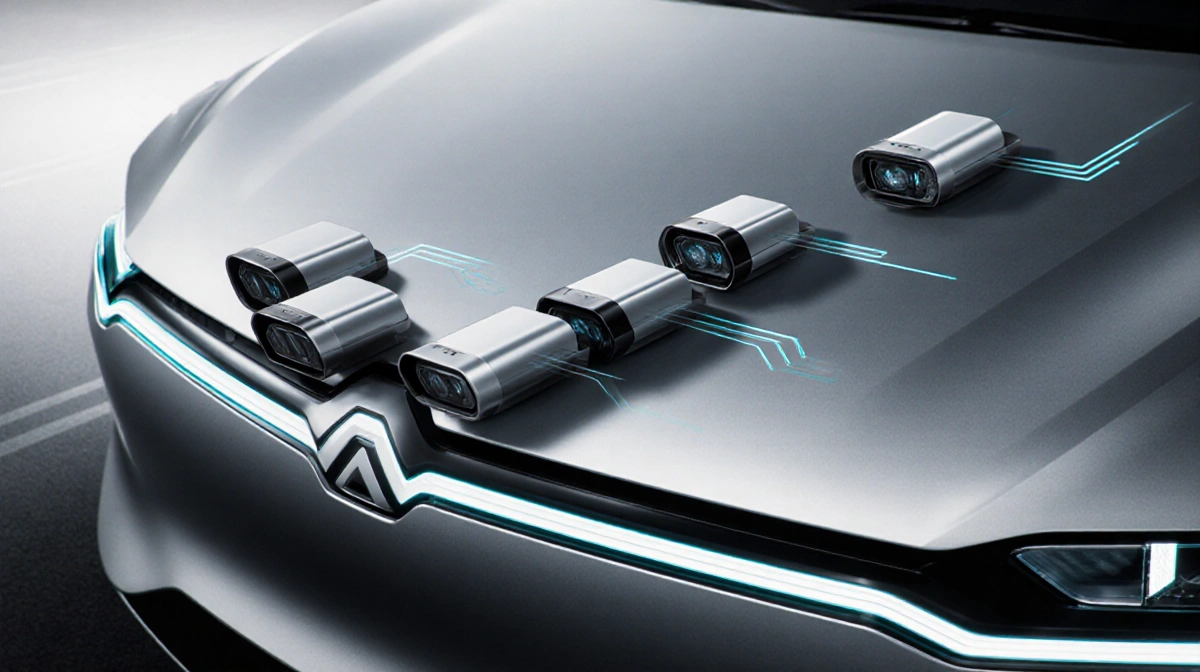
China’s EV boom is driving uptake. Hesai says one in four new electric cars sold domestically now carries its lidar, and many models spec three to six sensors per vehicle.
| Metric | 2025 | 2026 (target) |
|---|---|---|
| Production | 1 M+ | 4 M |
| China EV penetration | 25 % | – |
| Automotive clients | 24 | – |
The company counts 24 automotive customers, including a “top European” brand, and holds 4 million back-orders for its latest ATX sensor.
Robotics Bet
Beyond cars, Hesai is pushing into robots. At CES it demoed a lawn-mowing bot and a robotic dog powered by its JT series lidar, hinting at future humanoid deals.
Clients already include:
- Pony AI
- Motional
- WeRide
- Baidu
Cost Crunch
Hesai claims it has slashed lidar prices 99.5% since 2018, a squeeze that helped sink Luminar. Bankruptcy filings cite “pressure to reduce costs due to lower price points of China-based competitors” as the second-biggest factor in the U.S. firm’s collapse.
Key Takeaways
- Hesai doubles capacity to 4 million as Luminar exits
- China’s EV lidar adoption hits 25% and rising
- 99.5% price drop in eight years reshapes global market
- Robotics pipeline includes mowers, dogs, AVs
With Luminar winding down and Hesai scaling up, the global lidar landscape is tilting decisively eastward.