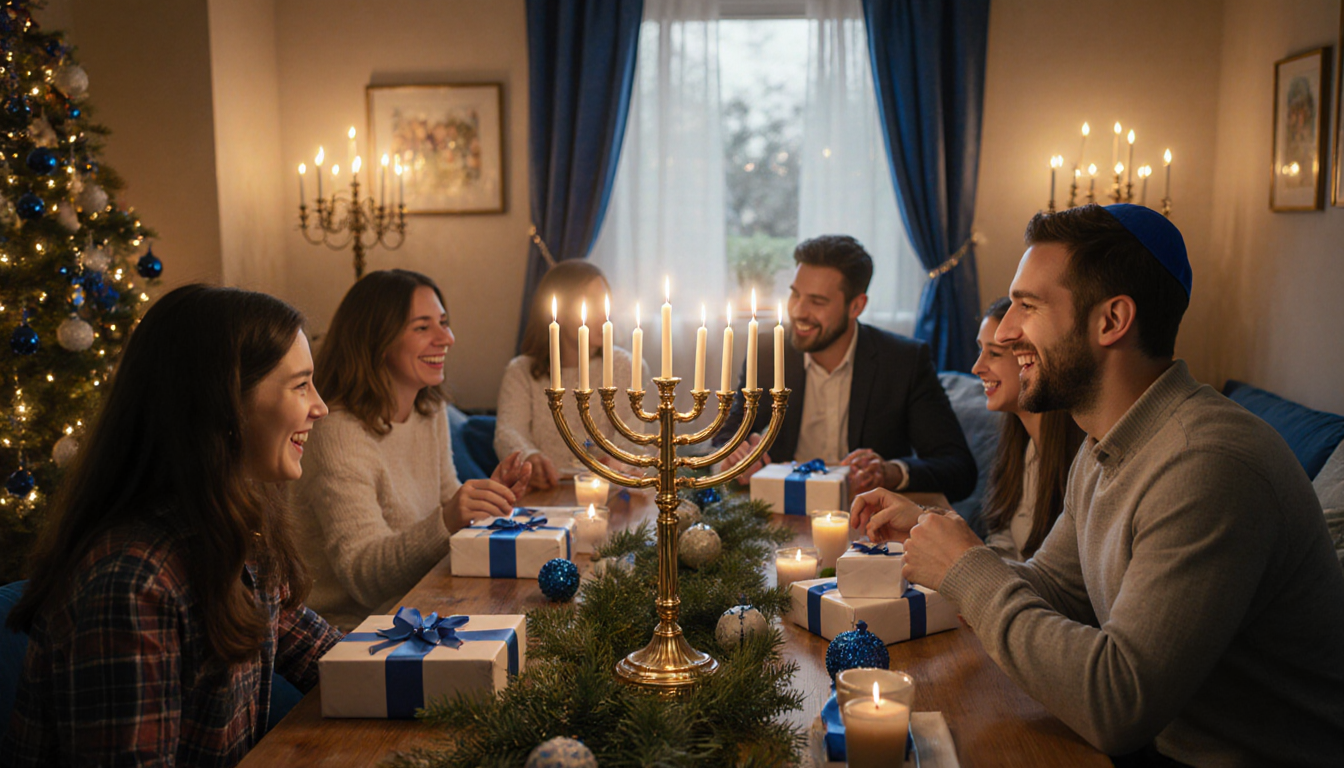
Hanukkah 2025 is set to light up homes and streets from sundown on Sunday, Dec. 14, through Dec. 22, marking the 25th day of Kislev in the Jewish calendar.
The Historical Roots of Hanukkah
Hanukkah, also spelled Chanukah, means “dedication” in Hebrew. It commemorates the rededication of the Temple in Jerusalem about 2,200 years ago after Jewish fighters liberated it from foreign occupiers. With a small supply of ritually pure oil, the menorah in the Temple was lit and, according to the Talmud, the flame miraculously burned for eight days. The eight-night celebration today reflects that miracle, and the holiday’s name is a reminder of that dedication.
When Does Hanukkah 2025 Fall?
Because the Jewish calendar is lunar‑based, Hanukkah’s start date moves each year. In 2025 it begins on the 25th of Kislev, which falls on the evening of Sunday, Dec. 14, and ends on the evening of Monday, Dec. 22. The holiday therefore spans eight consecutive nights of candle lighting.
Lighting the Menorah: Ritual and Symbolism
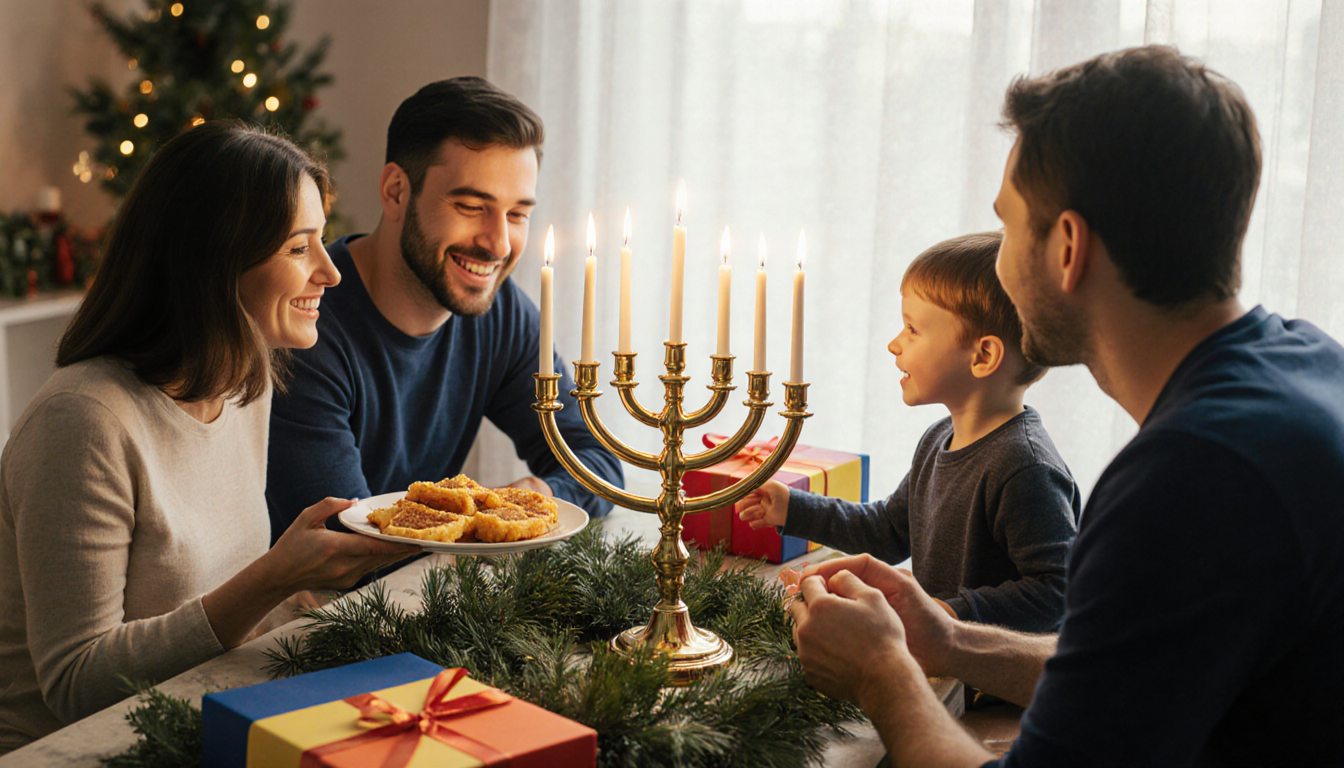
The central ritual is the lighting of a nine‑holder menorah. Seven of the holders are for the eight nights, and the ninth holds the shamash, the attendant candle used to light the others. The Talmud records a dispute over the order of lighting, but most families begin with one candle and add one each night. Candles are added from right to left, but lit from left to right, always starting with the newest light.
The candles must have a real flame, though electric ones are sometimes used in public displays for safety. In recent years, city streets and parks worldwide have hosted public menorah lightings, often in front of landmarks, to spread the holiday’s light to all nations.
The Story Behind the Eight Nights
Hanukkah celebrates the Maccabean Revolt against the Syrian‑Greek army. In the second century B.C., the Holy Land was ruled by King Antiochus IV Epiphanes, who demanded Jews abandon their religion or face death. A small, poorly armed group of rebels led by Judah Maccabee fought back, drove the Greeks out, and reclaimed the Temple.
When the victorious rebels sought to light the Temple’s seven‑branched menorah, there was only enough oil for a single day. The miracle of the oil burning for eight nights is the core of the holiday’s narrative.
Food, Gifts, and Games
Because the miracle involves oil, foods fried in oil are traditional. Families typically enjoy latkes—potato pancakes served with applesauce or sour cream—along with sufganiyah, round jelly doughnuts, and dairy dishes like challah and brisket. Moroccan Jews add sfenj, a spongy donut fried in oil, to their menus.
Gift‑giving has become a hallmark of American Hanukkah. Jewish parents often give one present each night for the eight nights. “It’s important to recognize that it is an American Jewish phenomenon, this gift‑giving that’s part of Hanukkah,” Rabbi Menachem Creditor, scholar in residence at the UJA‑Federation of New York, told Time magazine. “It’s not historically part of Hanukkah at all.”
Playing the dreidel is another custom. The four‑sided spinning top has Hebrew letters, and the outcome determines the winner of each round. Gelt—real money or chocolate coins—serves as the reward for children.
Charity and social works are also emphasized during Hanukkah, reflecting the belief that the Jewish people are called by God to help make the world better for all.
Celebrity Spotlight
Adam Sandler, a staple of the holiday season, was recently asked by Access Hollywood about being dubbed the “Mariah Carey of Hanukkah” for his SNL hit song, “The Chanukah Song.” The comparison highlights the holiday’s growing cultural prominence.
Key Takeaways
- Hanukkah 2025 runs from Dec. 14 to Dec. 22, marking the 25th of Kislev.
- The festival commemorates the rededication of Jerusalem’s Temple after the Maccabean Revolt.
- Lighting a nine‑holder menorah, adding candles from right to left but lighting left to right, is central to the observance.
- Traditional foods include latkes, sufganiyah, and sfenj, all fried in oil.
- Gift‑giving and dreidel play are prominent American customs, though not historically part of Hanukkah.
As the lights glow each night, families and communities remember the miracle of the oil and the enduring message of hope and resilience that Hanukkah embodies.