
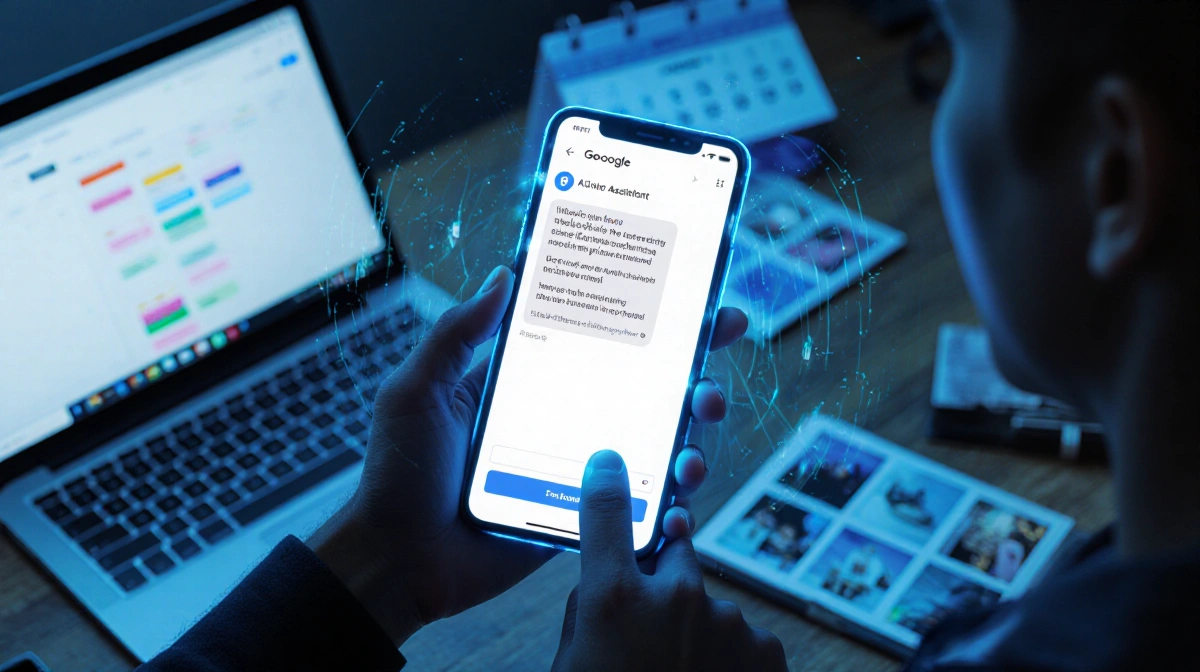

Google on Wednesday unveiled a beta feature inside the Gemini app that lets the AI assistant fuse data across Gmail, Photos, Search and YouTube history to craft hyper-personal answers.
At a Glance
- Gemini now reasons across your Google apps instead of searching each one separately
- The opt-in system, dubbed Personal Intelligence, stays off by default
- It will surface trip photos to recommend all-weather tires or pull a license plate from an old picture
- Why it matters: Users get custom advice without manually digging through years of personal data
Until today Gemini could fetch files on request; the upgrade stitches information together so the bot can, for example, spot a family road-trip photo set and suggest tires suited to that journey.
How Personal Intelligence Works
The feature activates only when Gemini decides extra context will improve its answer. A user standing in a tire shop can now ask for tire size and receive both the spec and an all-weather recommendation tied to past vacation pictures stored in Google Photos.
Josh Woodward, VP of Gemini app, Google Labs and AI Studio, offered another scenario: realizing he had forgotten his license plate number, he queried Gemini, which retrieved the digits from an old photo.
Woodward detailed the capability in a blog post:
“Personal Intelligence has two core strengths: reasoning across complex sources and retrieving specific details from, say, an email or photo to answer your question. It often combines these, working across text, photos and video to provide uniquely tailored answers.”
Guardrails and Privacy Controls
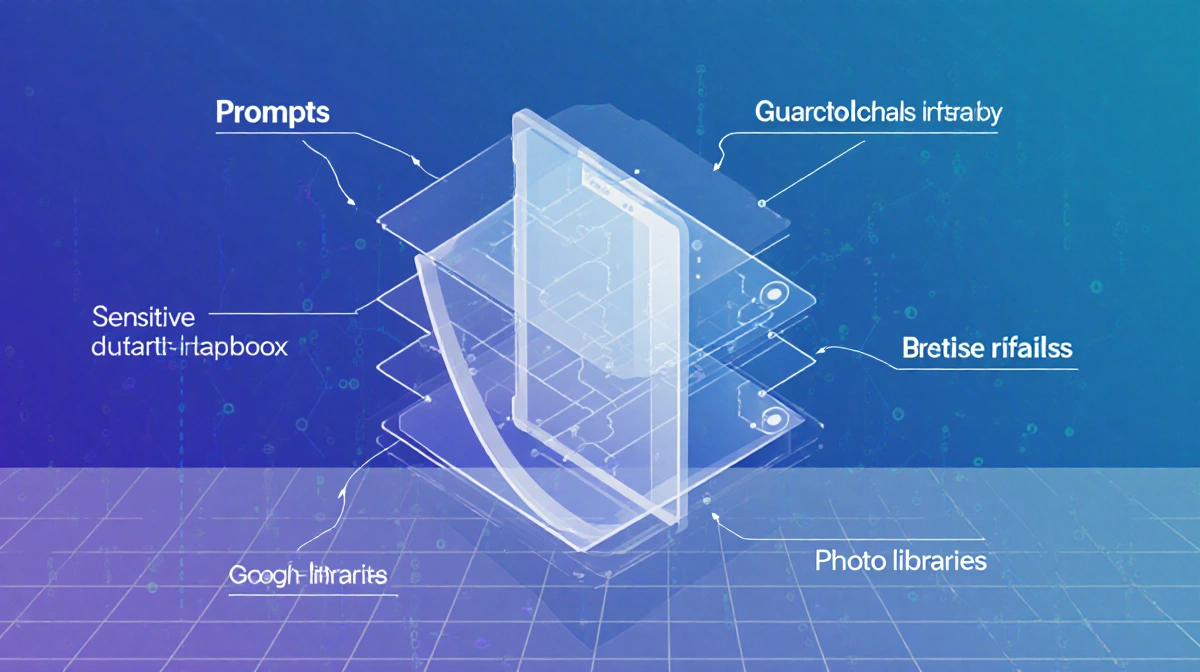
Google stresses that the system will not volunteer sensitive health data unprompted, though it will discuss such topics if the user asks. The company also states that Gmail inboxes and photo libraries are not used to train the underlying model; only the prompts and model outputs feed training loops.
Users retain full veto power. Personal Intelligence ships in an off-by-default state, requiring an explicit toggle before Gemini can mesh data sources.
Launch Details and Eligibility
The beta rolls out Wednesday to Google AI Pro and AI Ultra subscribers in the United States. Expansion to additional countries and the free Gemini tier is planned.
Example prompts Google suggests:
- “Help me plan my weekend in New York based on things I like to do”
- “Recommend some documentaries based on what I’ve been curious about”
- “Based on my delivery and grocery receipts in Gmail, Search history, and YouTube watch history, recommend 5 YouTube channels that match my cooking style or meal prep vibe”
Woodward says the tool has already reshaped his household planning:
“I’ve also been getting excellent tips for books, shows, clothes and travel. Just this week, it’s been exceptional for planning our upcoming spring break. By analyzing our family’s interests and past trips in Gmail and Photos, it skipped the tourist traps. Instead, it suggested an overnight train journey and specific board games we could play along the way.”
Early Use Cases and Results
Beyond tires and license plates, Woodward reports that Gemini now proposes entertainment, reading and travel ideas aligned with past behavior. The AI combs Gmail confirmations, YouTube viewing patterns and photo timestamps to assemble suggestions without manual input.
The announcement positions Google ahead of rivals racing to weave personal context into generative AI, betting that convenience will outweigh privacy concerns for many customers.
Key Takeaways
- Personal Intelligence links Gmail, Photos, Search and YouTube data into one reasoning layer
- Participation is optional; no data is shared until the user flips the switch
- Sensitive assumptions are blocked unless the user explicitly requests them
- Pro and Ultra subscribers in the U.S. gain first access, with broader availability expected later
Jordan M. Lewis reported for News Of Philadelphia.