At a Glance
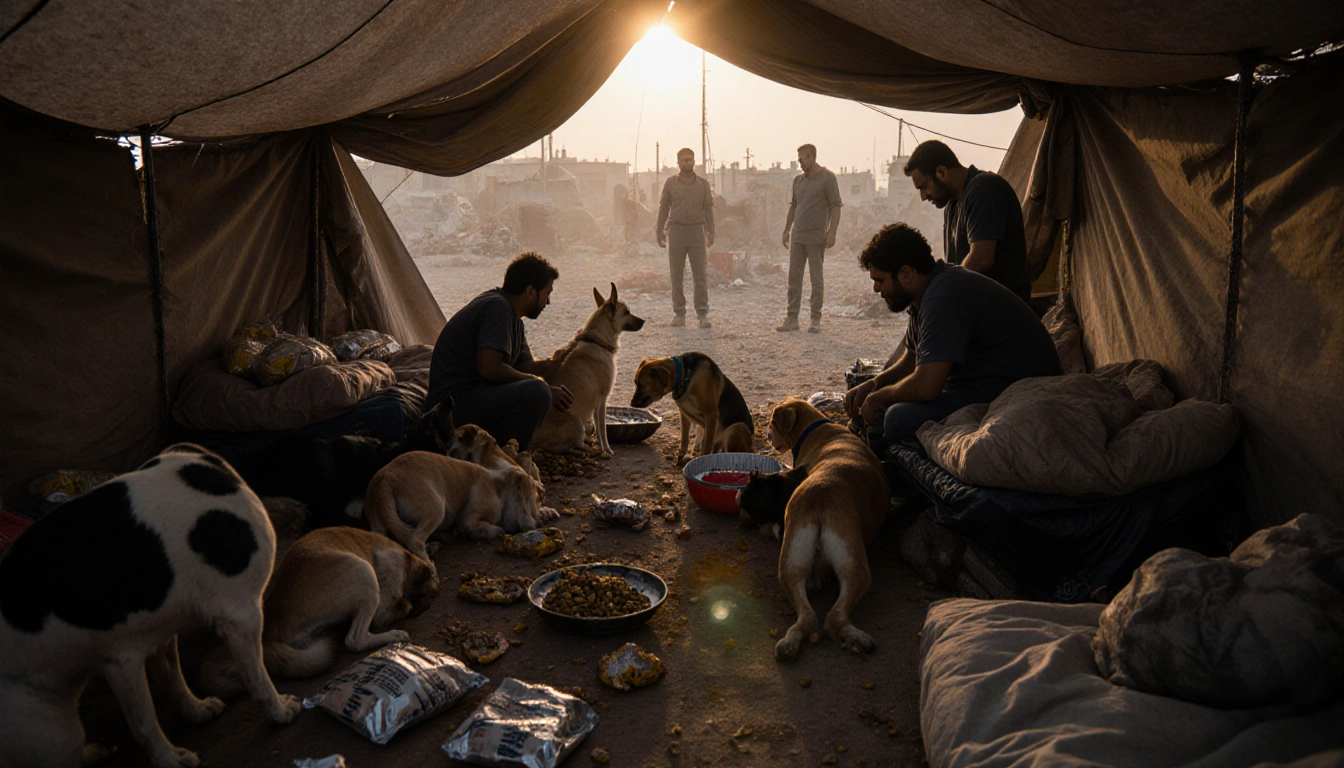
- The Sulala Animal Rescue shelter, operating in a tent, continues to care for injured animals amid Gaza’s war.
- It shelters about 70 dogs and 50 cats, many abandoned or injured.
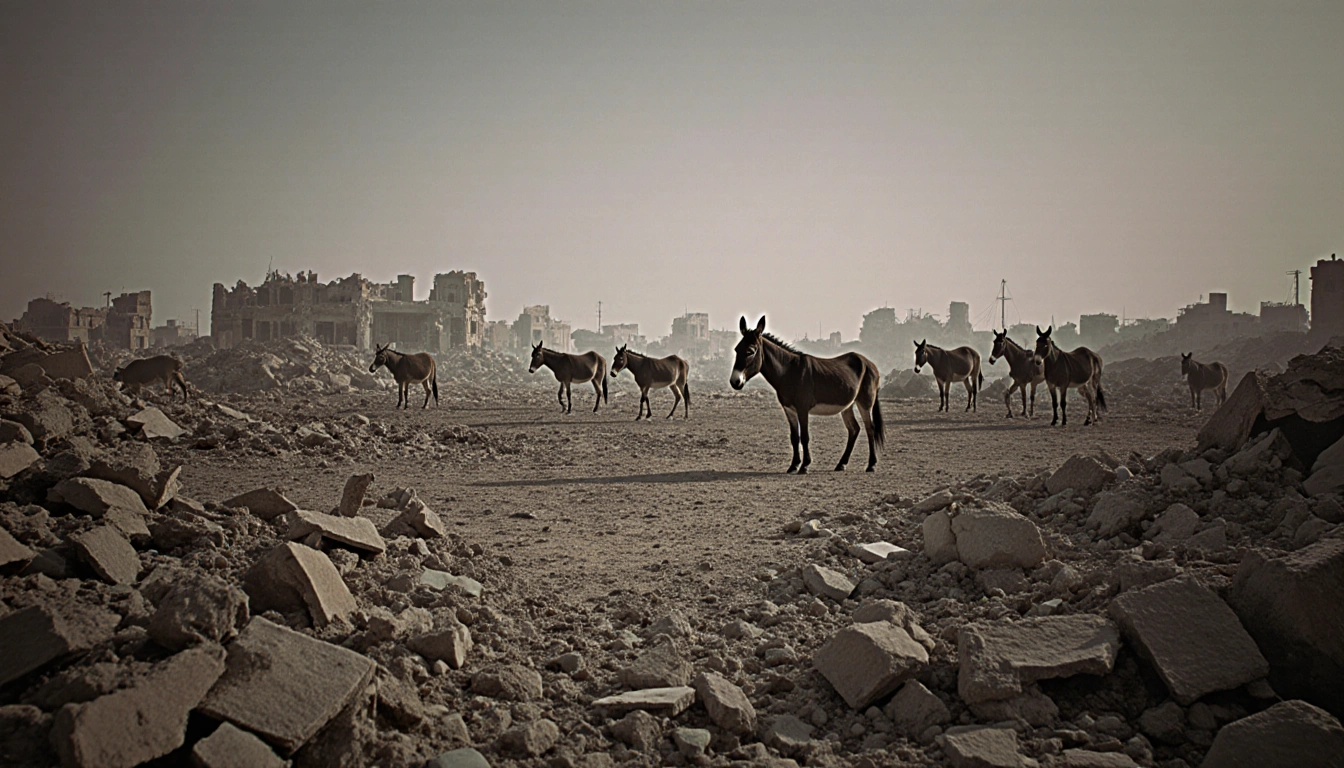
- 97 % of Gaza’s livestock has been destroyed, leaving large animals like donkeys and horses at only 30 % of pre-war numbers.
- Why it matters: The shelter’s work highlights the dire animal and human suffering in Gaza and the critical need for humanitarian aid.
Gaza’s war has turned the small Sulala Animal Rescue shelter into a lifeline for countless animals, while its volunteers face bombings, scarce supplies, and personal danger.
Shelter Operations Amid Conflict
The shelter, founded in 2006 by Saeed Al-Aar, runs out of a single tent in Deir al-Balah. Volunteers and veterinarians work without tools, food, or medicine, improvising with expired drugs or human antibiotics like amoxicillin.
Saeed Al-Aar told News Of Philadelphia last month:
> “You cannot look at a creature that trusts you and eat in front of it without sharing.”
Dr. Hossam Mortaja explained the challenges:
> “Animals suffer like humans – they feel fear, even convulsions.”
The team shares scarce rice, pasta, and canned tuna with the animals to prevent starvation.
- About 70 dogs and 50 cats are sheltered, many injured or ownerless.
- Stray pets suffer malnutrition, parvovirus, anemia, and respiratory infections.
- The clinic treats cachexia, gastroenteritis, jaundice, and eye diseases daily.
Humanitarian Context and Losses
Since the war began in October 2023, Gaza’s animal population has collapsed. According to Euro-Med Human Rights Monitor, 97 % of livestock-cows, sheep, goats, poultry-has been destroyed. Large animals like donkeys and horses now number only 30 % of pre-war levels.
| Livestock Type | Pre-war % | Post-war % |
|---|---|---|
| Cows, sheep, goats, poultry | 100 % | 3 % |
| Donkeys & horses | 100 % | 30 % |
The Integrated Food Security Phase Classification reports that famine conditions eased after the ceasefire in October, but the strip remains at risk of starvation. The World Health Organization warns that humanitarian needs are still staggering, and UNICEF’s Lucia Elmi stresses that gains could vanish if fighting resumes.
Lucia Elmi warned:
> “We need sustained humanitarian access, restored basic services, and above all, lasting peace.”
Annelies Keuleers, a remote volunteer from Belgium, expressed deep concern for the rescue team:
> “There are no words we have about losing him,” she said after the death of veterinarian Muath Talat Abo Rokba.
She also shared the uncertainty of communication:
> “I worry constantly for the safety of the rescue team on the ground.”
> “Saeed and his children have been in dangerous situations to try and pick up animals that have been left behind during evacuations, that have been starving there.”
> “There’s been a couple of times where I hadn’t heard from anyone for a day or a day and a half. And that’s been scary, as I wasn’t sure how I would know if they were bombed or killed.”
Saeed Al-Aar noted the emotional toll:
> “They live in fear and horror, just as we do.”
Key Takeaways
- The Sulala shelter remains operational, caring for 70 dogs and 50 cats amid ongoing conflict.
- 97 % of Gaza’s livestock has been destroyed, with large animals at only 30 % of pre-war numbers.
- Volunteers face bombings, scarce supplies, and personal loss, yet continue to provide care and share limited resources.
The shelter’s perseverance underscores the urgent need for humanitarian support to both animals and people in Gaza.