

Moms across the country are hitting a breaking point over the invisible, endless job no one puts on a résumé: feeding their kids.
At a Glance
- Women shoulder nearly all cognitive labor for household food tasks, a 500-person USC study finds
- Moms plan meals, shop, pack lunches, cook, and manage picky eaters-often without help
- The emotional toll includes tears, self-blame, and guilt over processed-food use
- Why it matters: Unequal food labor fuels maternal burnout and reinforces gender roles at home
The phenomenon has a name-“food parent”-and it’s crushing mothers under what psychologist Dr. Colleen Reichmann calls a 70 percent-weighted domestic task disguised as “just making dinner.”
What a Food Parent Actually Does
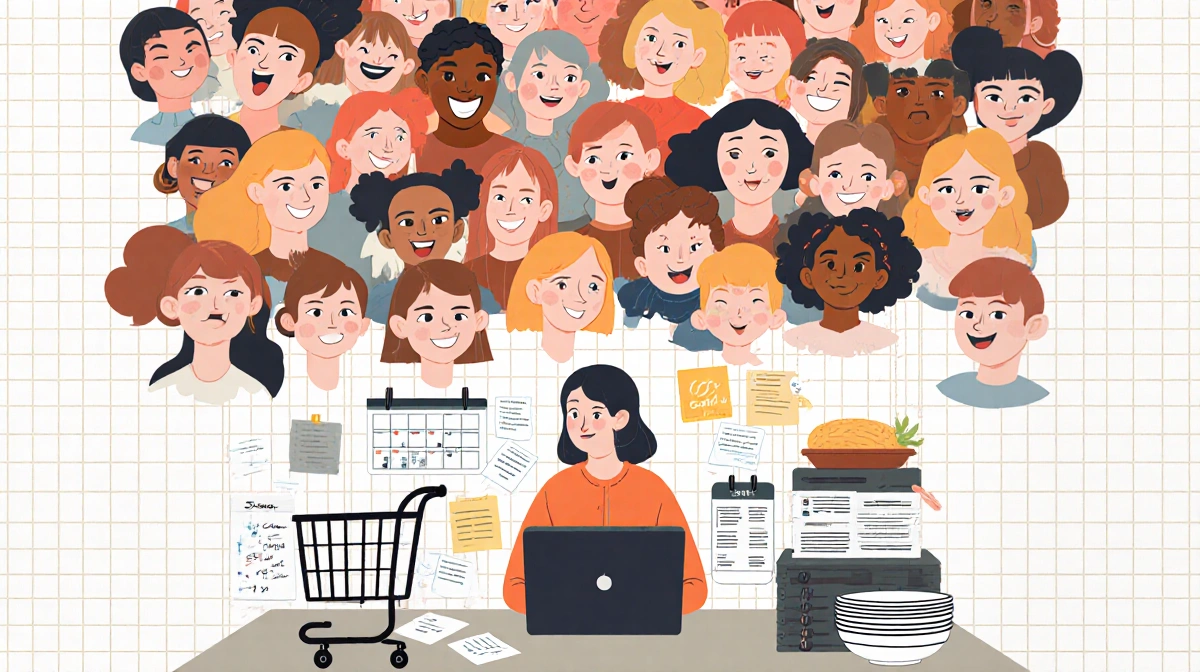
Reichmann, an eating-disorder and perinatal specialist, defines the role as the parent who carries the majority of planning, shopping, cooking, and mental gymnastics required to keep children fed.
It’s not only dinner. It’s:
- Scanning empty cupboards at 10 p.m. and mentally building tomorrow’s lunch
- Researching bento-box hacks for a selective eater who rejects anything green
- Tossing uneaten casserole, then absorbing the guilt of wasted money and time
- Fielding pediatric questions about whether the child’s body size is “your fault”
The Numbers Back Moms Up
The Fair Play Institute partnered with the University of Southern California in 2024 to survey 500 households. Results: women retain the cognitive labor for nearly every domestic duty, food included-groceries, meals, dishes, lunch packing.
Why Moms Become the Default Food Parent
Reichmann, a Philadelphia mom of two, lived the imbalance firsthand. “We try to use feminist partnership values, but I think it just happens if you’re not super careful,” she told Emily Carter Reynolds. “The way our society is set up, mothers just slide into taking things on without realizing it.”
Even after shifting her own home toward a 50/50 split, Reichmann still handles most nutrition research, especially tricky because one child is highly selective.
The Emotional Fallout
When kids grimace at a lovingly cooked dinner, the food parent absorbs the blow.
Reichmann’s Instagram post on the topic drew hundreds of raw replies:
- “I was crying last night over my toddler’s not eating… that mental burden is not shared by my husband.”
- “The mental hoops I jump through each day… is exhausting.”
- “Throwing leftovers away… I cried over it this week.”
- “If you have a child in a bigger body, that’s seen as the mother’s ‘failure.'”
Rejection plus responsibility creates a loop of stress, self-soothing, and second-guessing.
Dads Don’t Feel the Same Heat
Reichmann points to a gender skew: even when fathers take over food duties, cultural pressure around weight, nutrients, and “clean eating” still targets women. “There’s this simmering pressure… trying to help kids grow… not pass on our eating disorders,” she explains.
The Organic Standard Adds Pressure
Current wellness messaging pushes homemade, unprocessed meals, turning the simple act of getting calories into kids into a high-stakes audition for the “good mother” award.
Reichmann rejects the hype. Falling back on pre-packaged food does not equal failure, she argues; the bar is unrealistically high. “It starts to feel like it’s just another way to constantly be failing as a mother,” she says.
How to Rebalance the Load
Start by auditing the to-do list. Ask:
- Which food-parent task triggers the most dread-grocery lines, lunch packing, leftover management?
- Can your partner claim that specific chore?
Reframe the job as a heavily weighted domestic task that must be redistributed. “Think of it as… if other things have a 10% weight, being a food parent has 70% and needs to be dispersed,” Reichmann advises.
No single formula works for every household; the key is intentional, ongoing reallocation rather than hoping imbalance fixes itself.
Key Takeaways
- Food parenting is an under-counted, emotionally heavy job
- Women carry most of it, evidence shows, even in egalitarian-minded couples
- Cultural expectations around “perfect” nutrition intensify maternal guilt
- Delegating the least-loved task first can chip away at the 70% burden and protect mental health