


At a Glance
- Flu cases spike due to new subclade K variant.
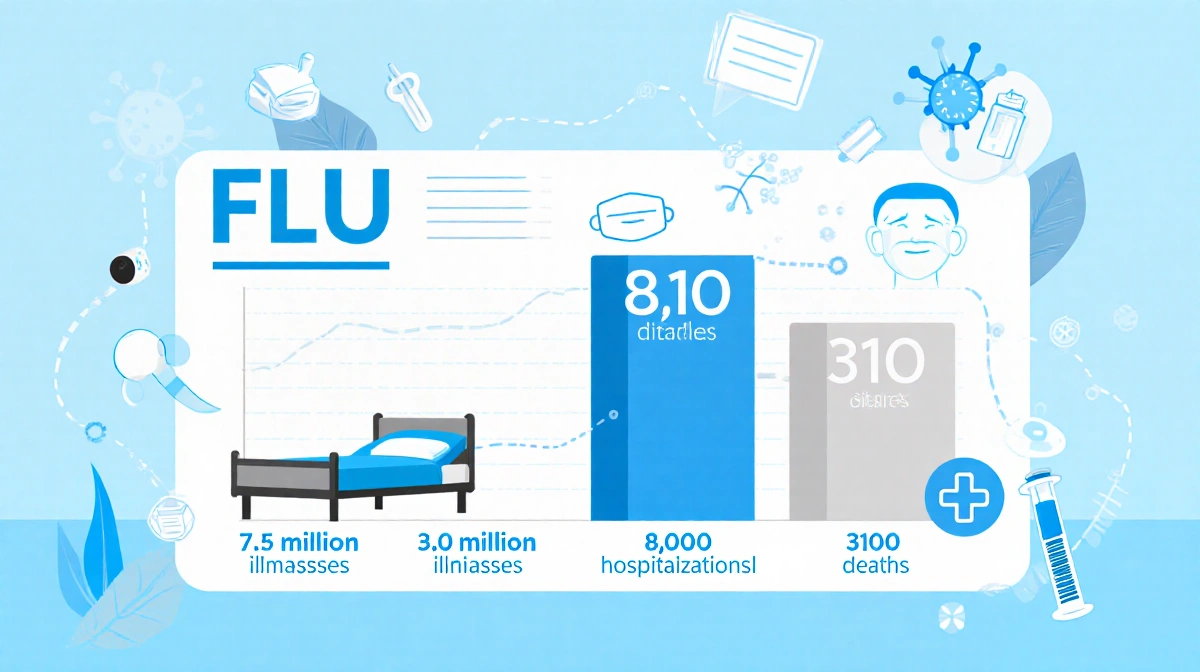
- CDC reports 7.5 million illnesses, 81 000 hospitalizations, 3 100 deaths.
- Only 42 % of adults and children have been vaccinated.
Why it matters: The rapid spread of subclade K threatens a severe flu season, especially for vulnerable groups.
In the United States, flu cases are climbing faster than expected, driven by a new H3N2 variant known as subclade K. The Centers for Disease Control and Prevention (CDC) has already documented millions of illnesses and thousands of deaths, while vaccination rates lag behind.
Subclade K: What It Is
Subclade K is a mutated form of the H3N2 influenza A virus. It emerged in the U.K., Japan and Canada before spreading across the U.S. The mutations are not enough to be a new strain but are sufficient to reduce the effectiveness of this year’s vaccine.
- Mutated H3N2 variant
- First seen in U.K., Japan, Canada
- Evasion of some vaccine protection
Current Impact
CDC data as of Dec. 20 show 7.5 million illnesses, 81 000 hospitalizations, 3 100 deaths, including eight child deaths. New York recorded 71 000 cases in the week ending Dec. 20, the highest single-week total since 2004.
| Metric | Number |
|---|---|
| Illnesses | 7.5 million |
| Hospitalizations | 81 000 |
| Deaths | 3 100 |
The CDC estimates that 42 % of adults and children have received a flu shot this season, leaving a large portion of the population vulnerable.
Vaccination: Why It Still Helps
Even though the vaccine is not a perfect match, studies from the U.K. show it offers partial protection, reducing the risk of hospitalization. Health experts emphasize that a flu shot can still prevent severe illness.
Andrew Pekosz said:
> “But they’re different enough to evade some of the protection from this year’s vaccine.”
- Vaccine covers H1N1 and Type B strains
- Nasal spray FluMist available for ages 2-49
- Some people may self-vaccinate at home this year
Who Should Get Vaccinated
The CDC recommends vaccination for everyone aged 6 months and older, especially those 65 +, pregnant women, young children, and individuals with chronic health conditions such as asthma, diabetes, heart disease, or weakened immune systems.
Key Takeaways
- Subclade K drives a surge in flu cases.
- Millions infected, thousands hospitalized and dead.
- Vaccination remains a key defense, despite partial mismatch.
With holiday travel on the horizon, the rise of subclade K underscores the importance of getting a flu shot and staying alert to the latest CDC guidance.