

At a Glance
- 52 bears were killed in Florida’s first black bear hunt in a decade.
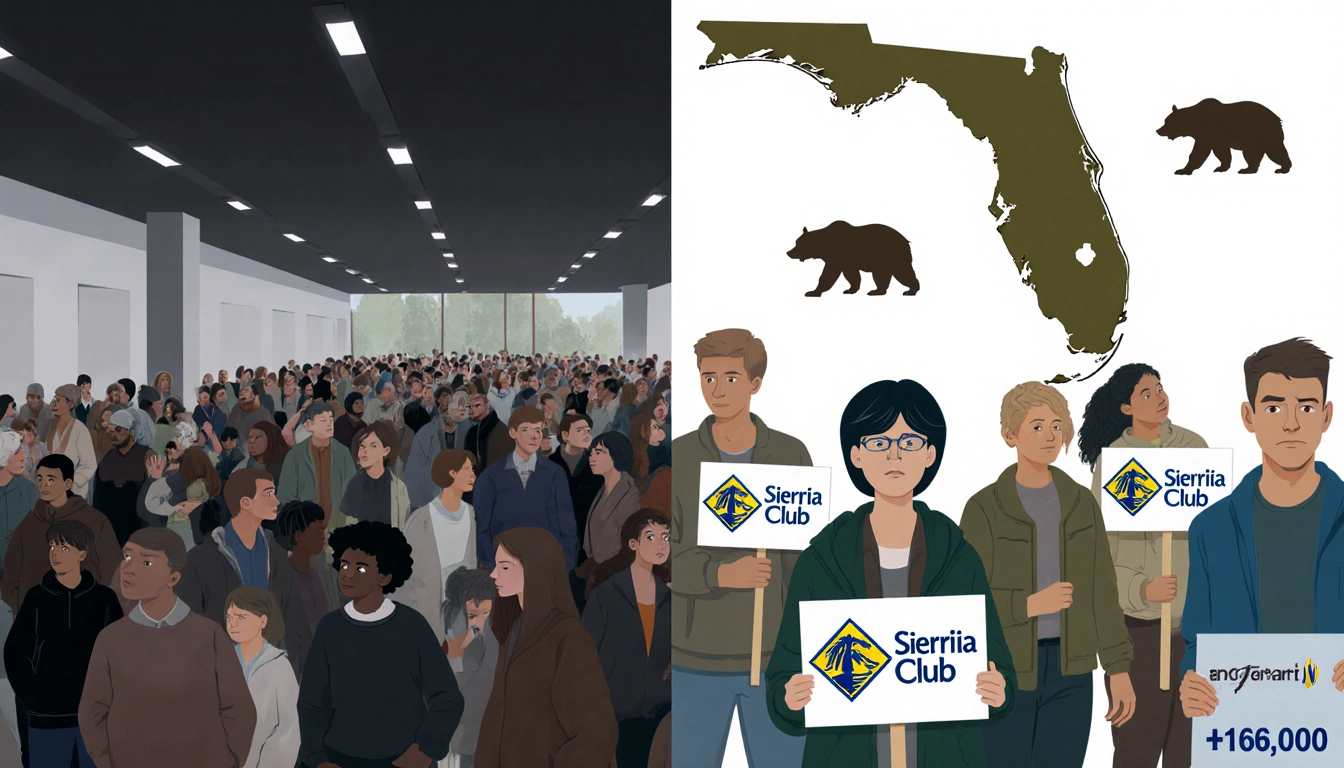
- The hunt granted 172 permits to winners of a random lottery among 160,000 applicants.
- The kill count was lower than expected, raising questions about transparency and population estimates.
- Why it matters: The outcome affects Florida’s wildlife management, public perception, and future hunting policies.
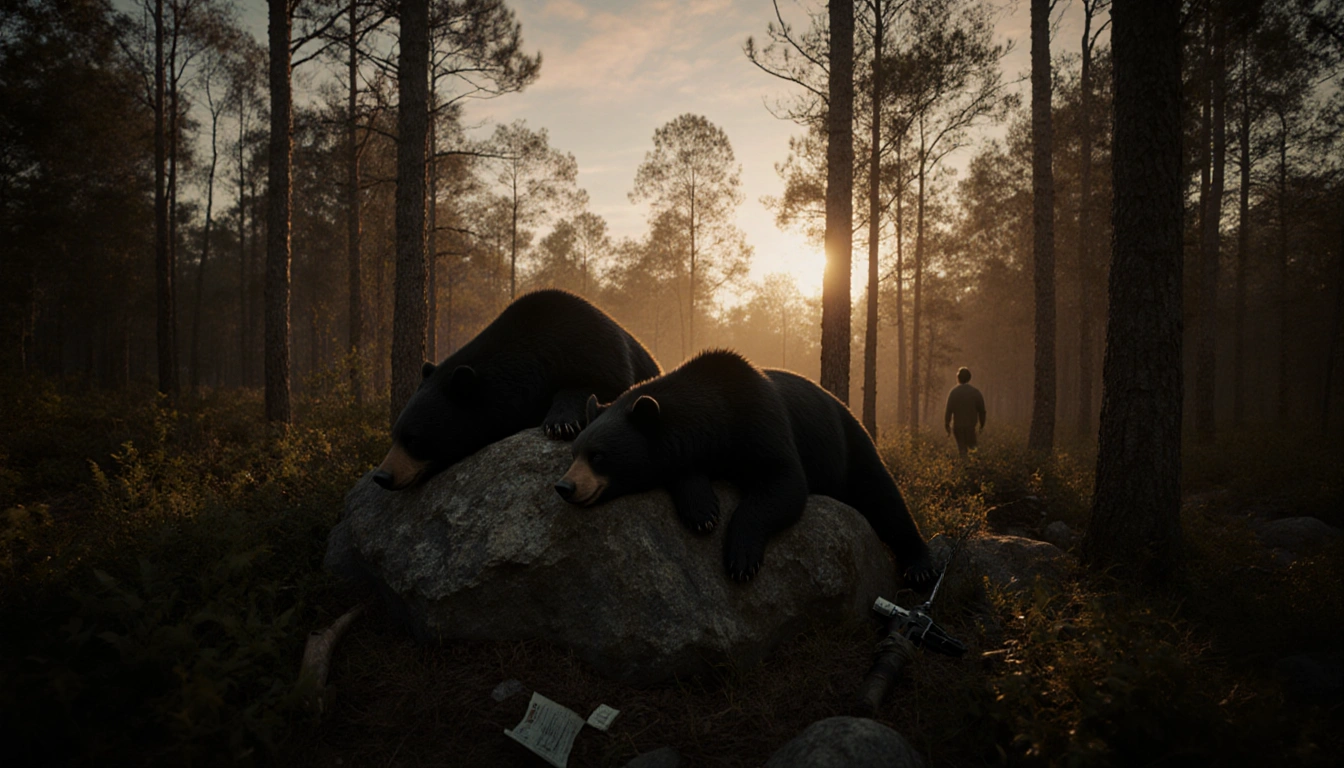
Florida’s recent black bear hunt, which ran from Dec. 6 to Sunday, drew intense attention from conservationists, hunters, and the general public. The state’s wildlife officials reported that 52 bears were taken, a figure that sparked debate over the hunt’s necessity and execution.
Hunt Overview
The hunt was limited to 172 permit holders who secured their vouchers through a lottery system. Each permit allowed the holder to kill one bear as part of the state’s management strategy. The event marked the first sanctioned black bear hunt in Florida in ten years.
Permit Lottery and Opposition
More than 160,000 people applied for permits, but only a handful of winners received them. The Florida chapter of the Sierra Club noted that at least four dozen permits went to opponents who had never intended to hunt, hoping to keep bears safe. This tactic was intended to influence the outcome of the hunt by filling the permit pool with non-hunters.
Population Growth and Scientific Rationale
Florida’s black bear population has surged from just a few hundred in the 1970s to an estimated over 4,000 today. Roger Young, executive director of the Florida Fish and Wildlife Conservation Commission, defended the hunt as rooted in sound scientific data. He claimed the 2025 hunt was a success.
Roger Young stated:
> “The 2025 black bear hunt, rooted in sound scientific data, was a success.”
Kill Count and Transparency Issues
The reported 52 bears killed were lower than the commission had projected. Susannah Randolph, director of the Sierra Club’s Florida chapter, suggested that the state may have overestimated the population or that conservationists had taken enough permits to make a difference. She also highlighted that the lack of check-in stations and reliance on self-reporting via the commission’s hunting app raised doubts about the accuracy of the figures.
Comparison to the 2015 Hunt
| Feature | 2015 Hunt | 2025 Hunt |
|---|---|---|
| Permits issued | >3,700 | 172 |
| Kill count | 304 | 52 |
| Female bears with cubs | ≥38 | Not reported |
| Event duration | Shut down early | Completed Dec. 12 |
The 2015 hunt was chaotic, leading to a premature shutdown after >3,700 permits were issued. In that year, 304 bears were killed, including at least 38 females with cubs, which meant that some young bears lost their mothers.
Impact on Cubs
The 2025 hunt’s impact on cubs is less clear, but the 2015 data suggest that hunting can affect bear family groups. The San Diego Humane Society reported a 1-month-old cub as the youngest bear they had cared for, illustrating the vulnerability of young bears during hunting seasons.
Media and Public Response
The commission had refused to disclose any details on the number of bears killed until Tuesday, despite multiple media requests. Randolph criticized the commission’s transparency, stating:
> “They have designed it so that they don’t actually know the numbers, and they have been dodging the media. So that is super fishy right off the bat.”
Her comments underscored concerns about the commission’s reporting practices.
Public Reaction
Conservation groups and the public reacted strongly to the kill count and transparency issues. Some praised the hunt for maintaining bear populations, while others demanded stricter oversight and clearer data. The debate highlighted the tension between wildlife management and conservation ethics.
Wildlife Management Strategy
Florida’s wildlife management strategy emphasizes population control to prevent overpopulation and human-bear conflicts. The commission’s statement framed the hunt as a necessary measure to balance ecological health with human safety.
Summary of Outcomes
The 2025 hunt resulted in 52 bear kills, a figure lower than the 2015 record but still significant. Permit allocation, population growth, and transparency concerns remain central to the discussion about Florida’s future hunting policies.
Key Takeaways
- 52 bears were killed in Florida’s first black bear hunt in a decade.
- The hunt granted 172 permits to lottery winners among 160,000 applicants.
- Transparency issues and lower kill counts have sparked debate over the hunt’s necessity.
The outcome of the 2025 hunt will likely influence Florida’s wildlife management decisions and public perception of hunting in the state.
Additional Context
The lottery drew attention for its transparency, with a public drawing held on Dec. 4. The process was monitored by independent observers to ensure fairness.
Opponents argued that the hunt would disproportionately affect the younger bears, citing the 38 female bears with cubs killed in 2015 as evidence.
The commission cited studies showing that the black bear population growth had reached a threshold where hunting would help maintain a healthy ratio of bears to habitat.
Critics pointed to the lack of in-field verification as a major flaw, noting that self-reporting could lead to inflated or inaccurate kill counts.
The commission defended its approach, saying that the app’s GPS data provides a reliable record of hunting locations.
The debate has prompted calls for a review of the commission’s data collection methods, with some advocating for mandatory check-in stations.
The Florida chapter of the Sierra Club plans to file a lawsuit if the commission does not release detailed kill data.
State officials have said they will consider public input before deciding on future hunts.
The 2025 hunt remains a contentious example of how wildlife management and public opinion intersect in Florida.