

At a Glance
- Justice Department subpoenaed the Federal Reserve Friday with a threat of criminal indictment over Chair Jerome Powell’s testimony about the Fed’s building renovations.
- The move follows President Donald Trump’s months-long campaign to pressure the Fed into cutting interest rates and his accusations of mismanagement in the $2.5 billion renovation project.
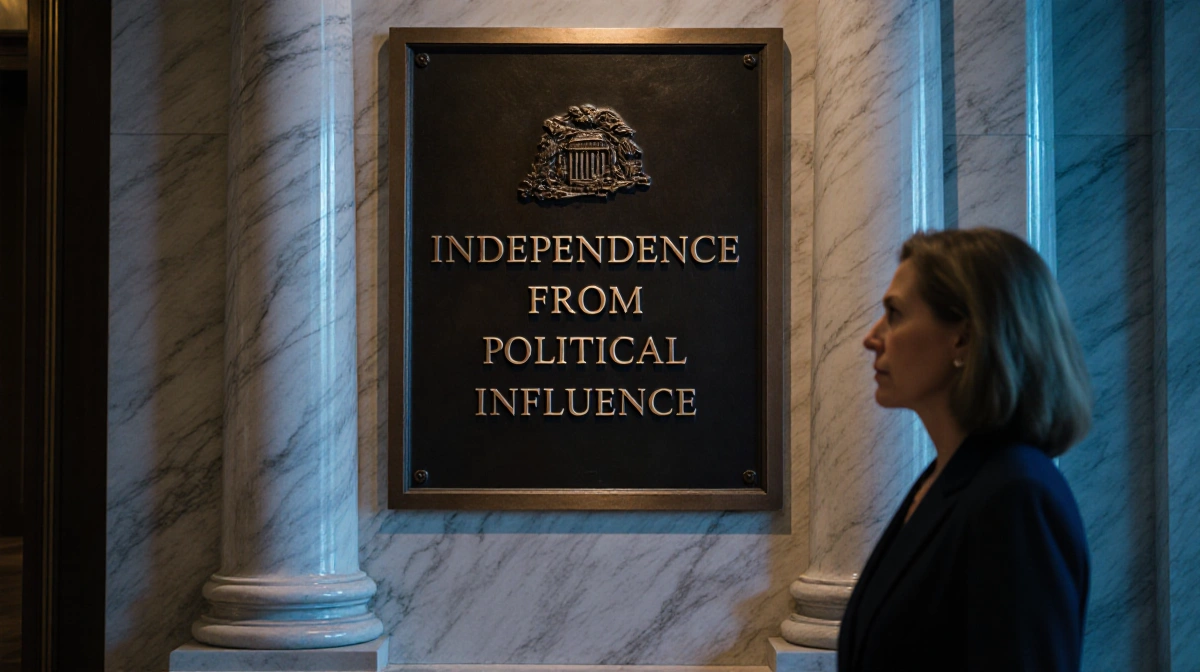
- Why it matters: The clash strikes at the heart of the Fed’s political independence, a pillar of U.S. economic stability that investors and lawmakers say keeps inflation in check and markets calm.
The Justice Department has escalated its confrontation with the Federal Reserve, warning the central bank it could face a criminal indictment tied to Chairman Jerome Powell’s congressional testimony this summer about the Fed’s headquarters renovation. Powell revealed the subpoena over the weekend, calling the threat a political pretext to weaken the Fed’s autonomy on interest-rate decisions.
The Subpoena and Its Timing
Federal Reserve Chair Jerome Powell said the Justice Department served the subpoena on Friday. The subpoena centers on Powell’s statements to lawmakers regarding the central bank’s $2.5 billion headquarters overhaul, a project President Trump has repeatedly criticized as wasteful.
The criminal referral marks a dramatic turn in the administration’s campaign to rein in the independent central bank. Trump has publicly attacked Powell for months, demanding lower interest rates to stimulate the economy and reduce federal borrowing costs. Even after the Fed cut rates three times in the final four months of 2025, the president has kept up the pressure.
Republican Pushback Begins
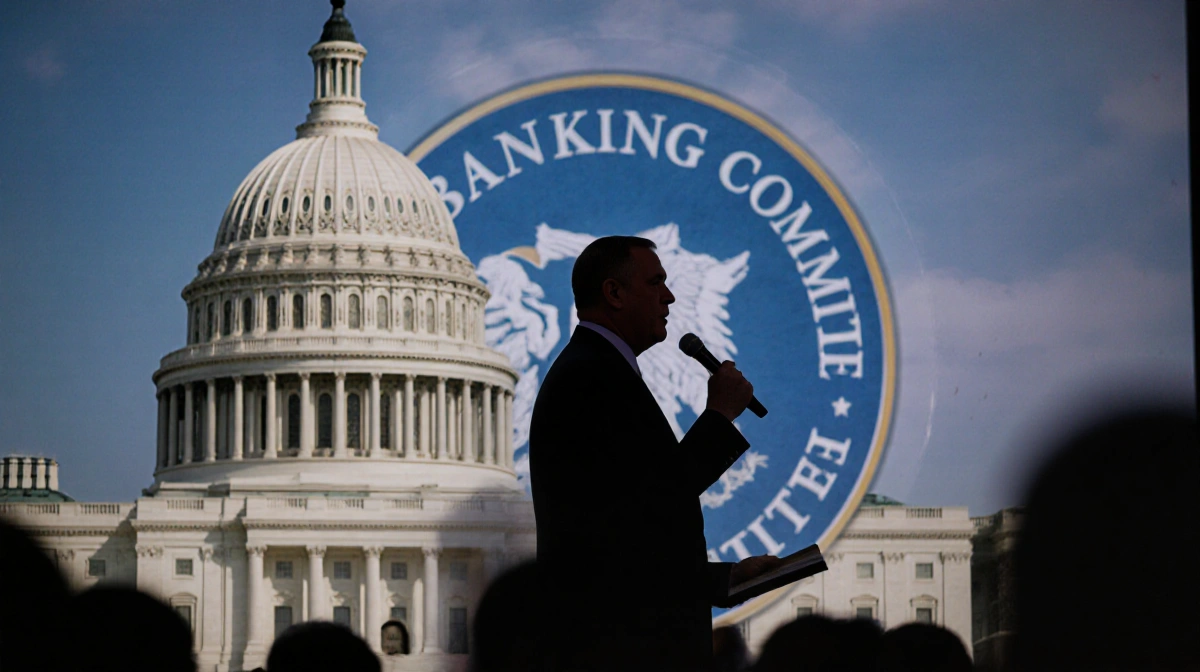
While most GOP lawmakers have stayed quiet, a handful broke ranks. Sen. Thom Tillis of North Carolina, a member of the Banking Committee that vets Fed nominees, issued a blunt statement: “If there were any remaining doubt whether advisers within the Trump Administration are actively pushing to end the independence of the Federal Reserve, there should now be none.”
Second Front: Effort to Oust Governor Lisa Cook
Separately, the White House is moving to oust Fed Governor Lisa Cook, citing unproven allegations of mortgage fraud. The claim surfaced over the summer from Bill Pulte, a Trump appointee to the Federal Housing Administration. Cook’s term runs until 2038; forcing her out early would give the president another vacancy to fill.
Why Fed Independence Matters
The Fed’s ability to set interest rates without political interference underpins U.S. price stability. When the economy slows, the central bank can slash its short-term rate, making loans cheaper and encouraging spending. When inflation flares, it can raise the same rate, cooling demand but risking job losses.
Economists favor insulated central banks because they can take unpopular steps-like rate hikes-needed to stamp out inflation. The lesson was etched into economic orthodoxy after the 1970s, when former Chair Arthur Burns bowed to White House pressure and kept rates low ahead of the 1972 election. Inflation roared, peaking above 14%.
Paul Volcker, appointed in 1979, reversed course, pushing the Fed’s benchmark rate to nearly 20%. The move triggered a brutal recession and 11% unemployment, yet by the mid-1980s inflation had fallen to the low single digits. Most economists cite Volcker’s resolve as proof that independence works.
Market Reaction
Investors despise uncertainty. Any hint that the Fed could lose autonomy typically sends stocks lower and bond yields higher, raising borrowing costs across the economy. On Monday, all major U.S. indexes opened down, the 10-year Treasury yield ticked up, and the dollar slipped.
Global Warning: Turkey’s Rate Saga
Turkey’s experience shows what happens when politicians override central bankers. President Recep Tayyip Erdogan forced rates to stay low in the early 2020s even as inflation hit 85%. After relenting in 2023, Ankara allowed the central bank to hike its policy rate to 50%, a painful but necessary step that has since cooled prices.
Fed Accountability Without Political Meddling
Independence does not mean the Fed is untouchable. The president nominates the chair to a four-year term and the other six governors to staggered 14-year terms. Those choices let a White House shape policy over time. Congress, meanwhile, sets the Fed’s statutory goals: stable prices and maximum employment, defined as 2% inflation.
Can Trump Fire Powell Early?
A Supreme Court ruling last year suggested a president cannot remove the Fed chair simply over policy disagreements, but may do so “for cause,” such as misconduct. The administration’s focus on the renovation project appears aimed at building such a case. Any removal attempt would likely land in court, setting up a historic separation-of-powers fight.
Key Takeaways
- The Justice Department’s criminal referral is the sharpest move yet in the White House’s campaign to bend the Fed to its will.
- Markets reacted negatively, underscoring investor preference for predictable, politically insulated monetary policy.
- History-from Burns in the 1970s to Turkey more recently-shows that politicized central banks struggle to contain inflation.
- While the president can replace Powell when the chair’s term expires in May, the seven-member Board of Governors and the 12-vote rate-setting committee dilute any single appointment’s power.
- Congress retains ultimate authority; it can rewrite the Fed’s mandate or mandate greater oversight, but for now the dual objective of stable prices and full employment remains the law of the land.