A federal judge in San Francisco has ordered the Trump administration to cease its use of California National Guard troops in Los Angeles, returning control to Gov. Gavin Newsom.
Judge Charles Breyer’s Preliminary Injunction
U.S. District Judge Charles Breyer granted a preliminary injunction that California officials sought after the administration extended its use of state Guard troops without the governor’s approval. The injunction, issued on Wednesday, requires the federal government to hand back the troops to the state. Breyer put the decision on hold until Monday, allowing the parties to prepare for the next steps.
California’s Argument and Current Guard Numbers
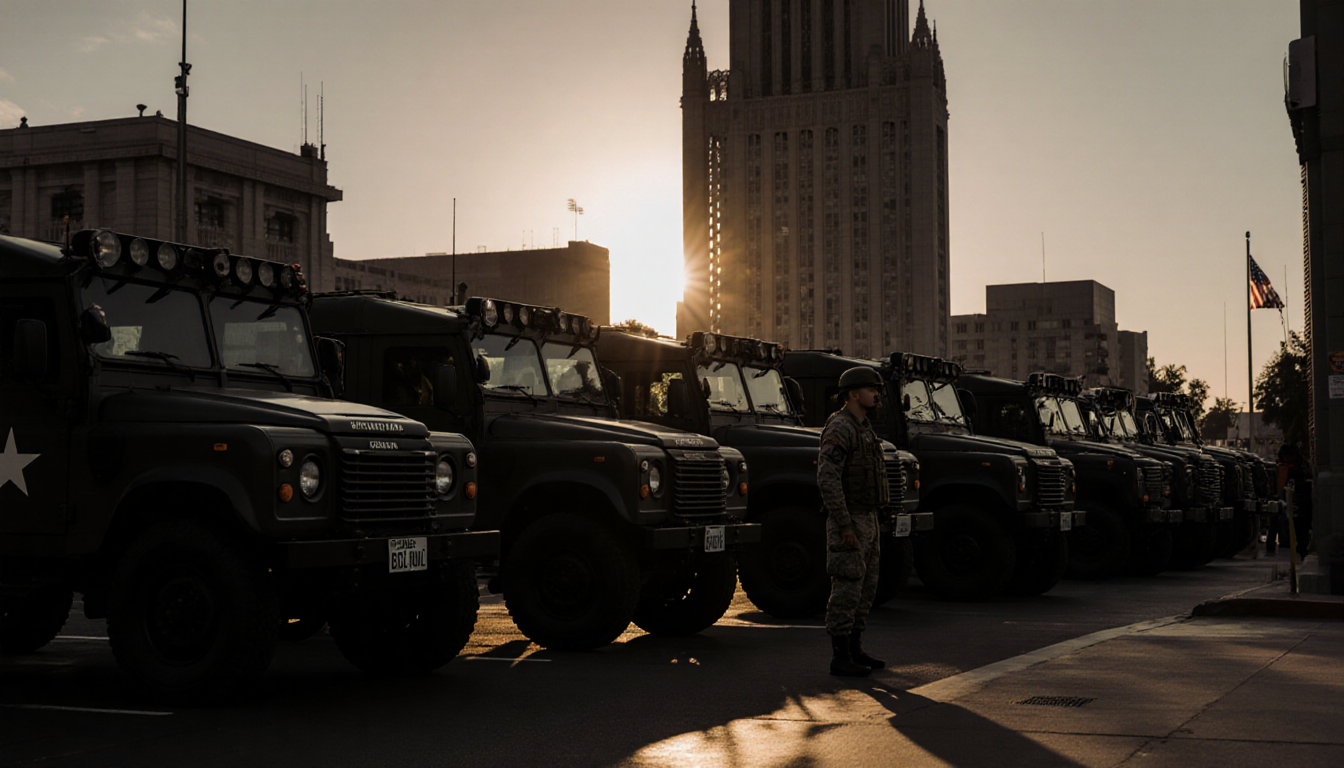
California officials argue that conditions in Los Angeles changed since President Trump first took command of the troops in June. The administration initially called up more than 4,000 California National Guard members, but that number had dropped to several hundred by late October. According to the Associated Press, only about 100 troops remain in the Los Angeles area.
Official Reactions
Gov. Newsom released a statement saying, “Today’s ruling is abundantly clear – the federalization of the National Guard in California is illegal and must end. The President deployed these brave men and women against their own communities, removing them from essential public safety operations. We look forward to all National Guard servicemembers being returned to state service.” He also announced that he is fast‑tracking upwards of $80 million in state support ahead of funding delays.
California Attorney General Rob Bonta called the federalization a “months‑long military occupation without justification.” In a statement after Breyer’s ruling, Bonta said, “Once again, a court has firmly rejected the President’s attempt to make the National Guard a traveling national police force. For more than five months, the Trump Administration has held California National Guard troops hostage as part of its political games. But the President is not king. And he cannot federalize the National Guard whenever, wherever, and for however long he wants, without justification. This is a good day for our democracy and the strength of the rule of law.”
Broader Implications and Other States
The Trump administration also tried to use California Guard members in Portland, Oregon, as part of its effort to send the military into Democratic‑run cities over the objections of mayors and governors. A judge ruled against the administration’s plans to deploy the California National Guard to Oregon, and other judges have blocked the administration from deploying National Guard troops to Chicago.
U.S. Justice Department lawyers said the administration still needed Guard members in the Los Angeles area to help protect federal personnel and property, such as the federal detention center in downtown LA. “President Trump exercised his lawful authority to deploy National Guard troops to support federal officers and assets following violent riots that local leaders like Newscum refused to stop,” White House spokeswoman Abigail Jackson said, referring to the governor of the nation’s most populous state by a nickname frequently used by President Trump.
Court Order Details
The 35‑page order signed by Breyer states, “The Founders designed our government to be a system of checks and balances. Defendants, however, make clear that the only check they want is a blank one.” It notes that six months after they first federalized the California National Guard, defendants still retain control of approximately 300 Guardsmen, despite no evidence that execution of federal law is impeded in any way—let alone significantly. The order also says that defendants have sent California Guardsmen into other states, effectively creating a national police force made up of state troops.
Background and Legal Context
Trump took command of the California National Guard following protests over his stepped‑up enforcement of immigration laws. The call‑up was the first time in decades that a state’s National Guard was activated without a request from its governor and marked a significant escalation in the administration’s efforts to carry out its mass deportation policy. The troops were stationed outside a federal detention center in downtown Los Angeles where protesters gathered and later were sent on the streets to protect immigration officers as they made arrests.
California sued, and Breyer issued a temporary restraining order that required the administration to return control of the Guard members to California. An appeals court panel, however, put that decision on hold.
California argued that the president was using Guard members as his personal police force in violation of a law limiting the use of the military in domestic affairs. The administration said courts could not second‑guess the president’s decision that violence during the protests made it impossible for him to execute U.S. laws with regular forces and reflected a rebellion, or danger of rebellion.
In September, Breyer ruled after a trial that the deployment violated the law. Other judges have blocked the administration from deploying National Guard troops to Portland, Oregon, and Chicago.
Breyer, who was appointed by President Clinton, is the younger brother of former Supreme Court Justice Stephen Breyer.
Key Takeaways
- The federal court has ordered the Trump administration to stop using California National Guard troops in Los Angeles and return them to state control.
- Only about 100 Guard members remain in the Los Angeles area, down from over 4,000 at the height of the operation.
- The court’s 35‑page order criticizes the administration’s federalization of the Guard as an illegal, unchecked exercise of power, and notes that the troops have been deployed to other states as well.
The ruling marks a significant check on the administration’s use of state military resources and reaffirms the constitutional limits on federal intervention in state National Guard deployments.