

> At a Glance
> – RTX and Indra will replace 612 radar systems nationwide by summer 2028
> – The FAA has committed over $6B of the $12.5B Congress approved
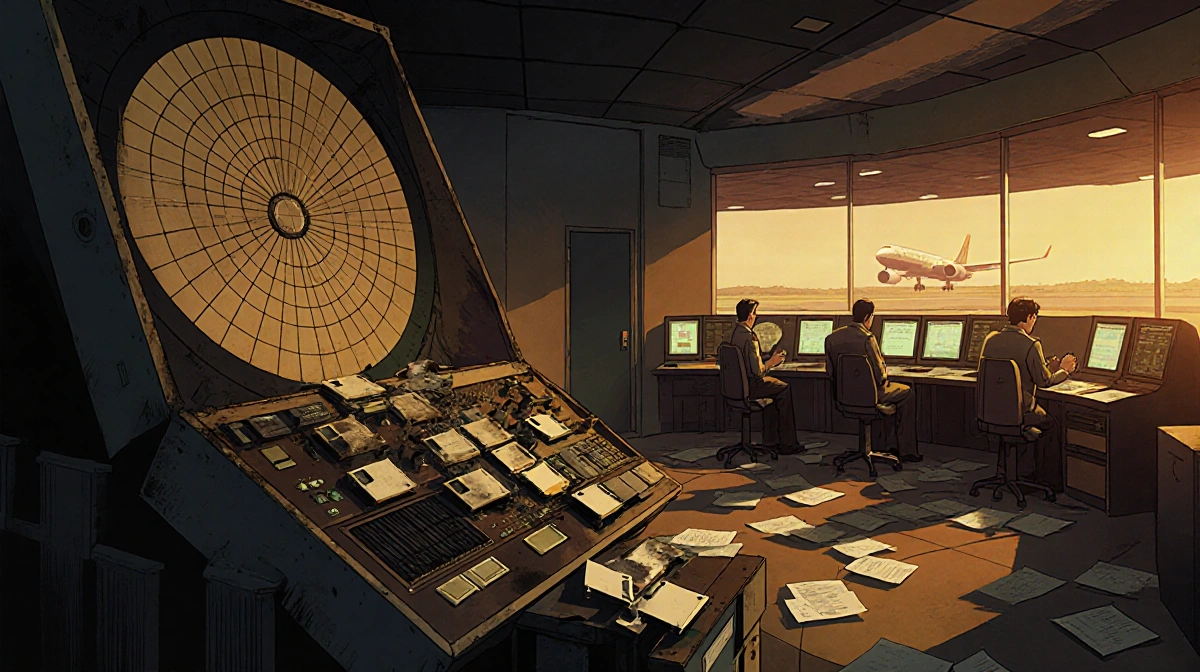
> – The current 1980s hardware relies on floppy discs and eBay spare parts
> – Why it matters: Outdated radar failures have already triggered thousands of flight cancellations
The Federal Aviation Administration has selected RTX and Spanish firm Indra to replace 612 radar systems nationwide, aiming to complete the overhaul by the end of President Donald Trump’s current term.
The Current Crisis
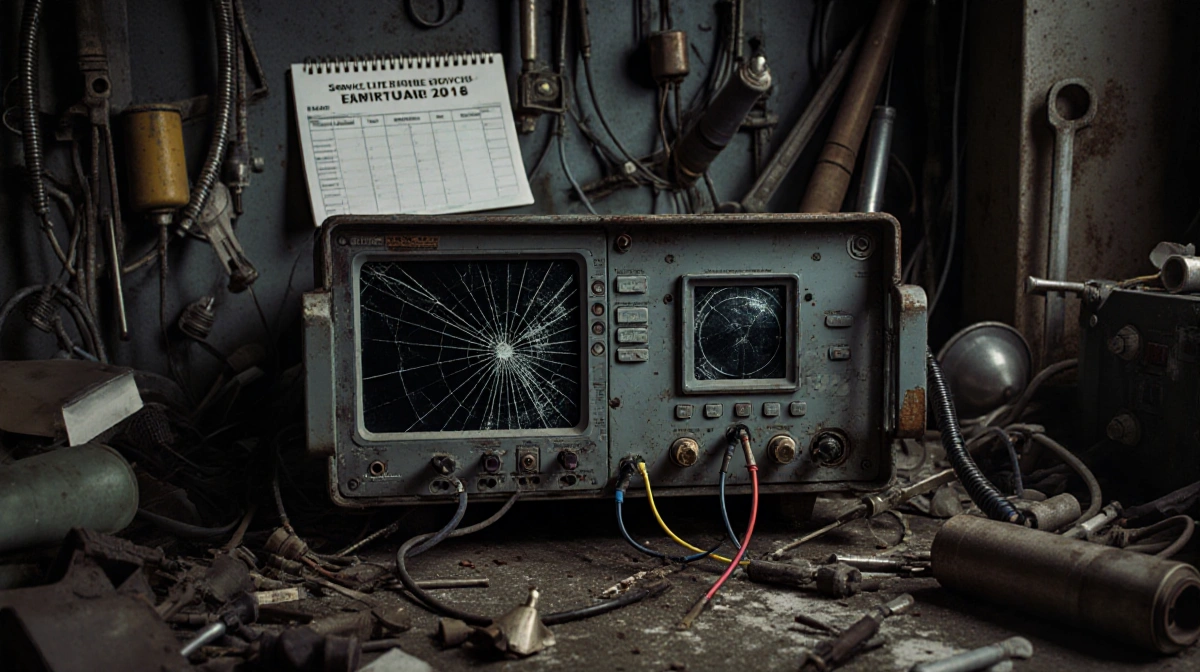
Many of the existing radar units have exceeded their intended service life, making them increasingly expensive to maintain and difficult to support. The FAA spends most of its $3 billion equipment budget just keeping the fragile system alive, sometimes hunting for spare parts on eBay.
Last spring, technical failures twice knocked out Newark Liberty International Airport’s radar, causing thousands of cancellations and delays. Both the primary and backup systems went dark in the Philadelphia facility that directs Newark traffic.
The Replacement Plan
- RTX and Indra will install unified radar systems to replace 14 different legacy models
- Work is scheduled for completion by summer 2028
- The FAA has already replaced more than one-third of outdated copper wiring with fiber-optic lines
- National-security contractor Peraton oversees integration
Funding Outlook
Congress approved $12.5 billion for the air-traffic-control overhaul. The agency has committed more than $6 billion so far, but Transportation Secretary Sean Duffy says another $20 billion will be needed to finish the job.
FAA Administrator Bryan Bedford stated:
> “Our radar network is outdated and long overdue for replacement.”
Key Takeaways
- 612 radar systems dating to the 1980s will be replaced by 2028
- RTX and Indra share the modernization contract
- The FAA still needs $20 billion beyond the $12.5 billion Congress approved
- Past radar failures have already disrupted major hubs like Newark
The modernization push aims to end reliance on obsolete hardware and reduce the cascading delays that occur when both primary and backup radar systems fail.