

At a Glance
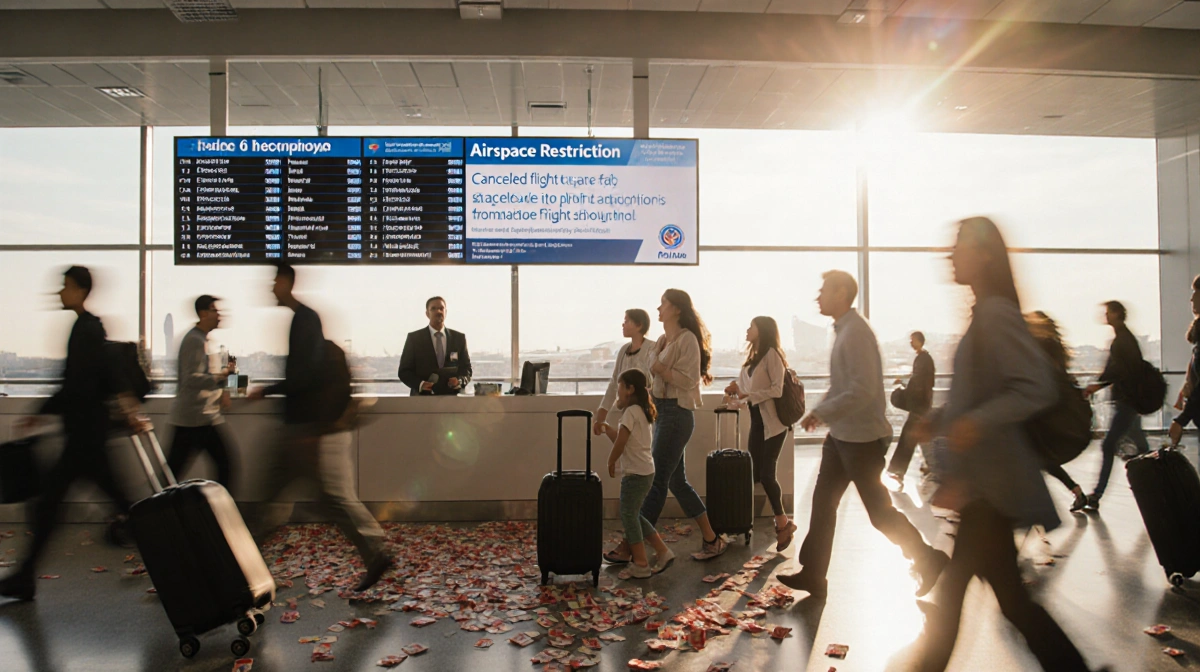
- FAA restricts Caribbean airspace after U.S. military operation, causing hundreds of flight cancellations.
- Major airlines waive change fees and offer refunds; flights to Puerto Rico, Aruba, Virgin Islands, and 12+ Lesser Antilles destinations suspended.
- Travelers, including Lou Levine’s family, face extended stays and extra costs; disruptions expected to continue days.
- Why it matters: The travel chaos could affect millions of holidaymakers and disrupt the Caribbean tourism economy.
The FAA’s restrictions over the Caribbean and Venezuela following a U.S. military operation have grounded hundreds of flights, leaving airlines to cancel services and waive change fees while travelers scramble to adjust plans.
Airspace Restrictions and Airline Responses
The FAA restricted airspace over the Caribbean and Venezuela on Saturday to ensure the safety of the flying public. Sean Duffy announced that the restrictions could be lifted when appropriate, and urged passengers to work directly with airlines if their flights were impacted. Airlines responded with cancellations, fee waivers, and rebooking options.
- JetBlue canceled about 215 flights and allowed customers to rebook or request refunds.
- United Airlines adjusted schedules and offered free changes while monitoring the situation.
- Southwest Airlines canceled all Aruba flights for Saturday and suspended Puerto Rico flights until further notice, but left Dominican Republic flights unaffected.
- American Airlines waived change fees for flights to/from ~20 island destinations, including Anguilla, Antigua, Curacao, Saint Lucia, and the U.S. and British Virgin Islands.
- Delta Air Lines issued a travel waiver for customers traveling to or from 13 impacted airports through Tuesday.
- KLM canceled flights affecting thousands of passengers but planned to resume service Sunday to/from Curacao, Aruba, Bonaire, and other islands.
- Virgin Voyages offered a full credit for future trips to passengers unable to reach San Juan in time for an upcoming cruise departure.
Impact on Travelers
Travelers such as Lou Levine were stranded when their flight from Puerto Rico to Washington, D.C., was canceled. He and his family had to reschedule for the following Saturday, extending their holiday and incurring additional expenses such as pet-sitting and car rentals. AAA projected 122.4 million Americans traveling at least 50 miles from home during the holiday period, yet many still sought tropical breaks before the cold weather returns.
| Airline | Affected Destinations | Key Action |
|---|---|---|
| JetBlue | Puerto Rico, Aruba, Virgin Islands, Lesser Antilles | Cancel 215 flights, offer rebooking |
| United | Puerto Rico, Aruba, Lesser Antilles | Free changes, monitor |
| Southwest | Aruba, Puerto Rico | Cancel, suspend |
| American | 20 islands | Waive change fees |
| Delta | 13 airports | Travel waiver |
| KLM | Curacao, Aruba, Bonaire | Cancel, resume Sunday |
| Virgin Voyages | San Juan | Full credit for future cruise |
Sean Duffy stated:
> “The FAA restricted the airspace in the Caribbean and Venezuela to ensure the safety of the flying public. When appropriate, these airspace restrictions will be lifted. Please work with your airlines directly if your flight has been impacted.”
Aixa Diaz of AAA noted:
> “We do have a lot of people who are trying to get back home this weekend ahead of work and school on Monday. It’s understandable we want to unplug, but travelers should keep track of what’s going on and allow airlines to send them phone alerts.”
Lou Levine said:
> “I love it here. But we have dog-sitting and cat-sitting and car rental. It’s fine. It’s just really painful on the wallet.”
Key Takeaways
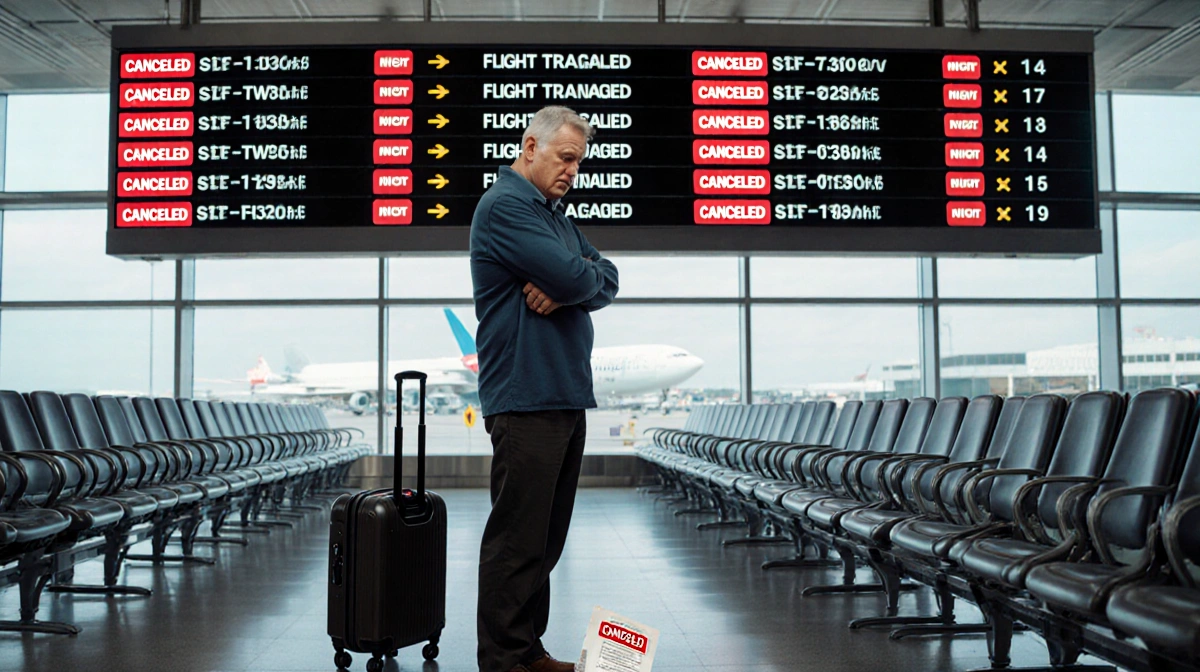
- FAA’s airspace restrictions have grounded hundreds of flights across the eastern Caribbean.
- Major airlines have canceled services, waived change fees, and offered refunds or rebooking.
- Travelers face extended stays, extra costs, and potential disruptions that could last days.
The disruptions highlight how a single military action can ripple through global travel, affecting millions of holidaymakers and the tourism economy of the Caribbean.