At a Glance
- U.S. withdrawal from the World Health Organization is now final, but the country still owes over $130 million.
- The exit removes U.S. scientists and pharma from WHO-led vaccine and outbreak programs.
- Experts warn the move could cripple global efforts to curb diseases like polio and emerging viruses.
- Why it matters: The decision cuts a key international health partnership that has guided vaccine distribution, data sharing, and pandemic response for decades.
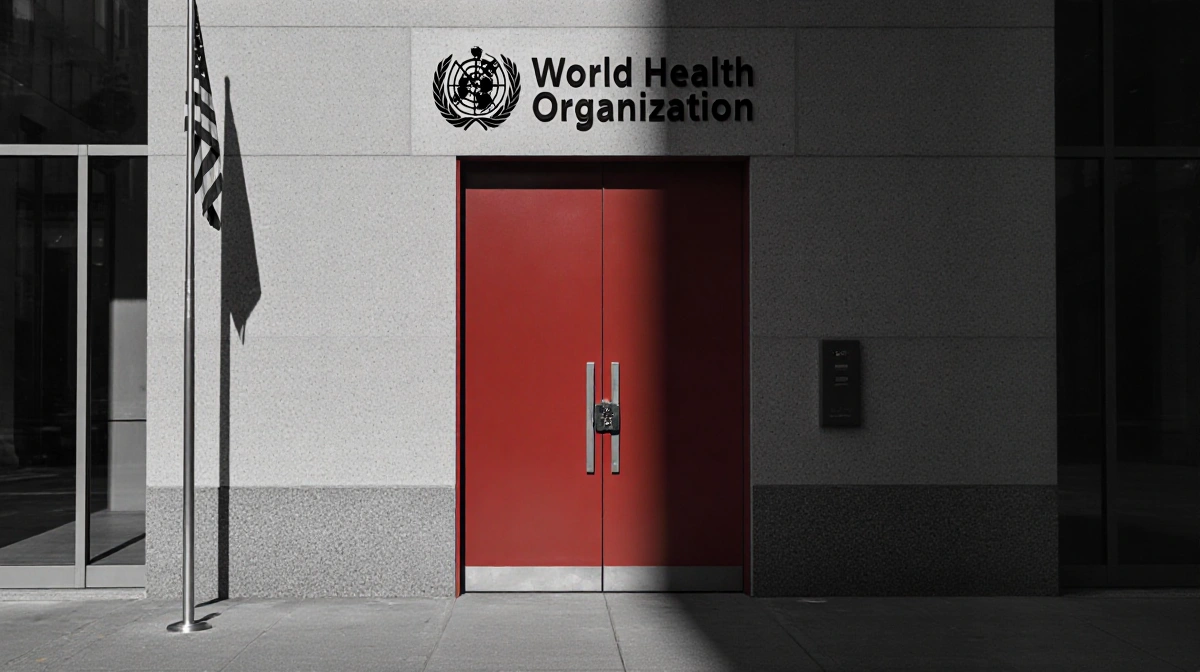
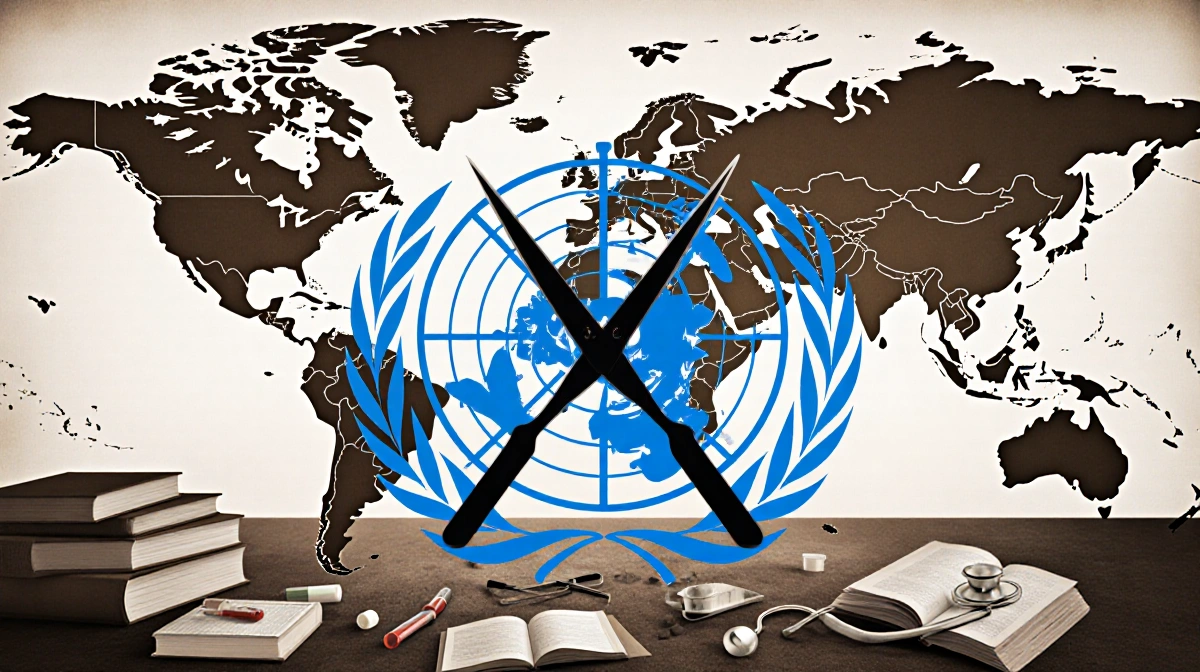
The United States has officially withdrawn from the World Health Organization (WHO), a decision that took effect a year after President Donald Trump announced the end of America’s 78-year commitment. The move is far from clean: the U.S. still owes the agency more than $130 million, and the country has lost access to critical global health data that could provide early warnings of new pandemics.
Impact on Global Health
The WHO coordinates responses to outbreaks of diseases such as mpox, Ebola, and polio, and it supplies technical assistance and supplies to poorer nations. By leaving, the U.S. has cut ties with WHO-sponsored committees, leadership bodies, governance structures, and technical working groups.
- Vaccine development: U.S. scientists and pharmaceutical companies will no longer collaborate through WHO channels, hindering rapid creation of vaccines and medicines.
- Flu surveillance: The U.S. is no longer part of the WHO group that assesses circulating flu strains, which informs annual vaccine updates.
- Data sharing: The country lost its role in global flu information-sharing that guides vaccine decisions.
“Such disease intelligence has helped Americans be at the front of the line when new outbreaks occur and new vaccines and medicines are quickly needed to counteract them and save lives,” said Lawrence Gostin, a public-health law expert at Georgetown University.
U.S. Financial Obligations
The U.S. pays $111 million a year in member dues to the WHO and roughly $570 million more in annual voluntary contributions, according to the U.S. Department of Health and Human Services. The country has not paid any of its dues for 2024 and 2025, leaving a balance of more than $133 million, according to WHO.
| Year | Member Dues | Voluntary Contributions | Total Owed |
|---|---|---|---|
| 2024 | $111 million | $570 million | $681 million |
| 2025 | $111 million | $570 million | $681 million |
| Total | $222 million | $1.14 billion | $1.36 billion |
An administration official denied that the U.S. was required to pay prior to withdrawing as a member, arguing that the country had no obligation to settle outstanding balances before its exit.
Expert Opinions
Experts say the U.S. exit could cripple numerous global health initiatives, including the effort to eradicate polio, maternal and child health programs, and research to identify new viral threats.
Dr. Ronald Nahass, president of the Infectious Diseases Society of America, called the U.S. withdrawal “shortsighted and misguided” and “scientifically reckless.”
Gostin argues that the U.S. overstepped its authority in pulling out of WHO. The U.S. joined the organization through an act of Congress, and it is supposed to take an act of Congress to withdraw. He added:
“The claim is almost laughable. Are countries in Africa going to do it? Are the countries Trump has slapped with a huge tariff going to send us their data?”
He also believes the U.S. will likely reach agreements with only a couple dozen countries, making it difficult to maintain the same level of global disease intelligence.
The Bigger Picture
The U.S. has long been a major donor to WHO, providing hundreds of millions of dollars and specialized public-health expertise. The withdrawal follows Trump’s executive order citing WHO’s mishandling of the COVID-19 pandemic, its failure to adopt urgently needed reforms, and its perceived lack of independence from member-state political influence.
WHO officials have noted that the agency made costly mistakes during the pandemic, such as advising against mask-wearing and asserting that COVID-19 was not airborne-positions it did not officially reverse until 2024.
The decision also raises questions about the future of international public-health collaboration. Without U.S. participation, WHO’s ability to coordinate global responses to emerging threats may be weakened, potentially leaving the world more vulnerable to the next pandemic.
Key Takeaways
- The U.S. has formally exited WHO but still owes $130 million.
- The withdrawal removes U.S. involvement in vaccine development, flu surveillance, and global data sharing.
- Experts warn the exit could cripple global health initiatives and limit U.S. influence in future pandemic responses.
- The U.S. has not paid its dues for 2024 and 2025, leaving a balance of $133 million.
- The move follows Trump’s criticism of WHO’s handling of COVID-19 and calls for reforms.
The decision marks a significant shift in global health governance and raises concerns about the effectiveness of international cooperation in preventing and responding to future outbreaks.