
At a Glance
- Mental Health Days are rising in schools, sparking debate over student responsibility.
- Former teacher Samantha Jo Payne warns that the trend may lead to avoidance and academic decline.
- Parents and experts argue whether compassion should outweigh resilience training.
In recent years, schools have shifted from a “toughen up” mentality to a more open discussion of emotions, a change that has brought mental health days into the classroom. Former Indiana teacher Samantha Jo Payne says the trend may have gone too far, and her video has ignited a heated online debate. Dr. Deborah Gilboa, a family physician, adds that the real challenge lies in balancing compassion with the development of resilience.
The Rise of Mental Health Days
Social-emotional learning has become a staple in many classrooms, encouraging students to name feelings and ask for help. As a result, teachers and administrators have begun to allow students to take days off for mental distress. The policy is intended to reduce stigma and support well-being, but the frequency of use has raised questions about its impact on attendance and learning.
Payne’s Concerns
Payne, 26, described her experience in an interview with TODAY.com. She said she saw eighth-graders missing one or two days a week, and that the absences were harming their academic performance. “There were times a student would be out sick, and when they returned, I’d say, ‘I hope you feel better,’ only to hear, ‘Oh, I’m fine. I just didn’t feel like coming, and my mom said I could stay home,'” she recalled.
She also observed that some students stayed home to avoid drama with friends or other social stressors. “Framing everyday challenges as a reason to skip school, I argue, teaches avoidance instead of coping,” Payne said. “I feel like people are avoiding hard things.” She added that not every stressful moment should be treated as a mental health crisis. “School is their job,” she told TODAY, “so you don’t have days where you just don’t get to come because you’re a little tired.”
Public Reaction
The video sparked a divided response on social media. One viewer wrote, “As an adult with an anxiety disorder, allowing students to successfully avoid whenever their anxiety is bad enough is SO HARMFUL for their mental health!” Another commented, “I’m sorry but I don’t take advice on this from anyone who hasn’t also had to hospitalize their kid before. Legitimate mental health struggles are scary, and we do what we can to balance priorities.”
These comments illustrate the polarized views that have emerged: some see mental health days as essential support, while others view them as a shortcut that erodes responsibility.
Expert Perspective
Dr. Deborah Gilboa, a family physician and resilience expert, said the debate isn’t a choice between compassion and toughness, but between parental judgment and child development. “Sometimes kids genuinely need rest and recovery for mental distress,” Gilboa told TODAY. “And sometimes what they need is to build perseverance and resilience by pushing through it.”
She emphasized that deciding which response is appropriate is one of parenting’s hardest calls, and one that parents may not always get right. Gilboa also warned that a sharp distinction between physical illness and mental distress could be interpreted as minimizing mental health conditions. “I’d want to be careful about the idea that physical illness is always valid and mental illness is not,” she said. “Mental distress and mental illness are very real and they deserve to be taken seriously.”
Balancing Compassion and Resilience
Both Payne and Gilboa agree that schools play a crucial role in teaching children how to manage obligations, discomfort, and expectations. The challenge lies in helping young people learn when to rest and when to show up, a skill that prepares them for independent functioning in the future. The conversation continues as parents, educators, and health professionals navigate the fine line between providing necessary care and encouraging resilience.
Key Takeaways
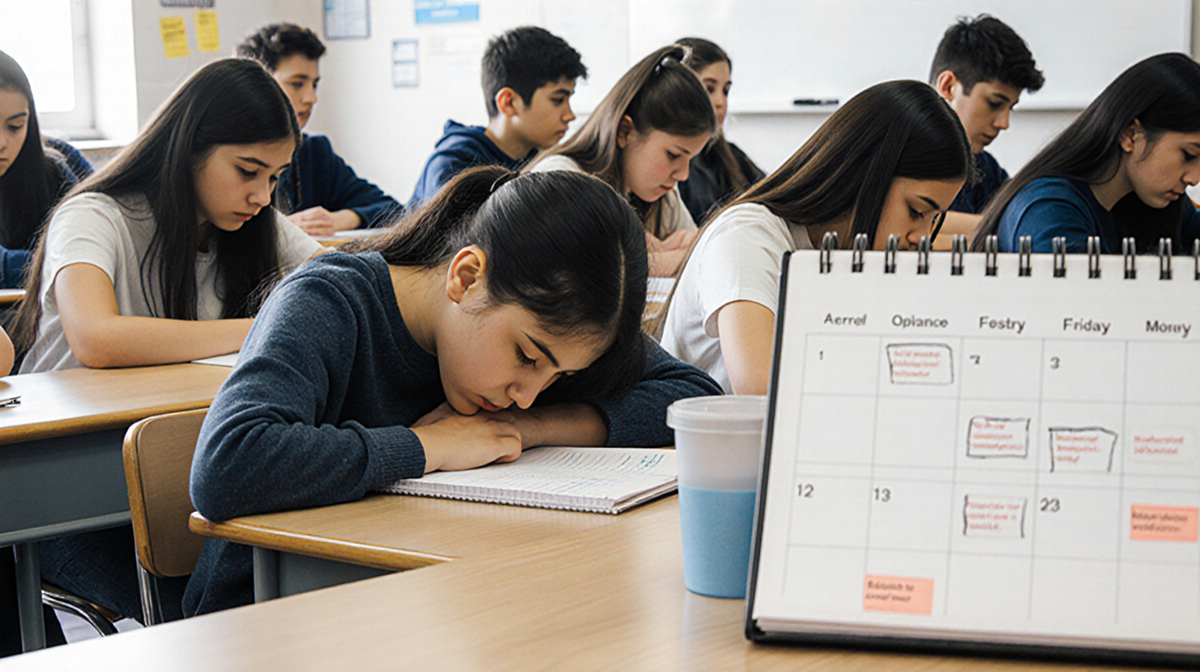
- Mental health days are increasingly common, but their impact on attendance and learning is debated.
- Former teacher Payne highlights academic decline and avoidance behaviors linked to frequent absences.
- Health experts stress the importance of nuanced judgment, balancing rest with resilience training.
- The debate underscores a broader question: how can schools and families support mental well-being without compromising responsibility?