At a Glance
- Two Department of Government Efficiency staff may have accessed and shared Social Security numbers to help an unnamed advocacy group attempt to overturn election results.
- The allegation comes from court documents that also correct earlier testimony by SSA officials about DOGE’s data access.
- The case highlights the risks of federal data misuse and the enforcement of the Hatch Act.
Why it matters: The potential misuse of Social Security data for political purposes raises serious concerns about data security and election integrity.
In a surprising turn that has already drawn attention from Politico, two employees of the Department of Government Efficiency (DOGE) are alleged to have accessed and possibly shared Social Security numbers to help an unnamed advocacy group seek to overturn election results in certain states. The claim stems from court filings that detail a March 2025 request from the group to analyze voter rolls the agency had acquired, and the subsequent actions of the DOGE staff. The allegations come amid a series of corrections to testimony by top SSA officials about DOGE’s access to Social Security data, underscoring the agency’s ongoing legal and regulatory challenges.
Background
The Department of Government Efficiency, a division of the Social Security Administration, has been under scrutiny for its handling of sensitive personal data. Over the past year, federal courts have issued orders restricting DOGE members’ access to SSA systems that store SSNs, medical records, driver’s license numbers, tax information, and other private data. In the same period, an SSA whistleblower alleged that DOGE uploaded hundreds of millions of Social Security records to a vulnerable cloud server, a claim that could expose millions of Americans to data-breach risks.
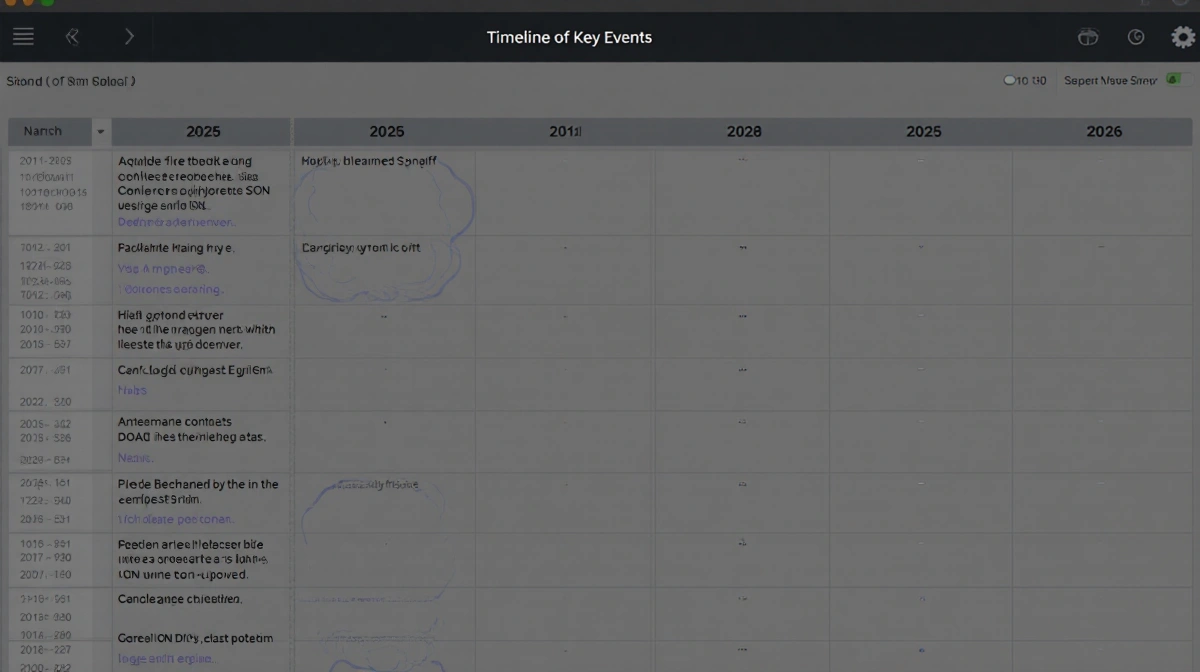
Timeline of Key Events
| Date | Event |
|---|---|
| March 2025 | Advocacy group contacts DOGE staff to request analysis of state voter rolls. |
| Last year | Federal judge orders DOGE members to halt access to SSA data systems. |
| Later | Whistleblower alleges DOGE uploaded hundreds of millions of SSNs to a cloud server. |
| Current | Court documents reveal possible data sharing with advocacy group. |
The Alleged Data Sharing
According to the court documents, Elizabeth Shapiro, a Justice Department official, wrote that the advocacy group’s stated aim was to find evidence of voter fraud and to overturn election results in certain states. She noted that after the initial contact, one DOGE member signed and sent a “Voter Data Agreement” with the group. The documents also suggest that the DOGE staff may have accessed private information that was ruled to be off-limits by a court at the time, and shared data on unapproved “third-party” servers.
Shapiro added that there was no evidence that other SSA employees were aware of the communications or the “Voter Data Agreement.” She also clarified that it is unclear whether the data was actually shared, but emails indicate that DOGE staff could have been asked to assist the advocacy group by matching SSA data to the voter rolls.
Key Points
- Potential breach of court-ordered restrictions on DOGE members’ data access.
- Use of unapproved servers to store or transfer sensitive personal information.
- Possible violation of the Hatch Act, which bars federal workers from leveraging official positions for political activities.
Legal and Regulatory Response
The Justice Department has referred the two DOGE employees for potential violations of the Hatch Act. The Hatch Act prohibits federal employees from using their official capacities to influence political outcomes. The alleged “Voter Data Agreement” and the possibility that the DOGE staff matched SSA data to the advocacy group’s voter rolls could constitute a breach of that law.
In addition, the federal judge’s order to block DOGE access to SSA systems remains in effect. If the court finds that the DOGE staff violated the order, the agency could face further sanctions, and the employees could be subject to disciplinary action or criminal prosecution.
The SSA’s internal review processes are being scrutinized, as the agency must ensure that its employees adhere to strict data-handling protocols and that sensitive personal information is not misused for political purposes.
Key Takeaways
- Data misuse allegations involve high-profile federal employees and sensitive Social Security data.
- Legal consequences could include enforcement of the Hatch Act, civil penalties, or criminal charges.
- Broader implications for voter roll integrity and federal data security remain a pressing concern for lawmakers and the public.
Contact
Michael A. Turner is a Senior Writer at News Of Philadelphia, covering hacking, cybersecurity, surveillance, and privacy. You can contact or verify outreach from Michael A. Turner by emailing lorenzo@News Of Philadelphia.com, via encrypted message at +1 917 257 1382 on Signal, and @lorenzofb on Keybase/Telegram.
Event Details
News Of Philadelphia event
San Francisco | October 13-15, 2026