

At a Glance
- The Trump administration’s new dietary guidelines remove specific limits on alcohol, urging only that people drink less.
- Dr. Mehmet Oz defends alcohol’s social role, sparking backlash from sober-lifestyle advocates.
- Health experts warn the change ignores evidence linking drinking to disease and mortality.
- Why it matters: The shift could influence public perception of alcohol’s safety and affect the growing sober-culture movement.
The latest dietary guidelines from the Trump administration have removed concrete limits on alcohol consumption, replacing them with a vague recommendation to “consume less alcohol for better overall health.” The move has ignited a debate over whether alcohol should be framed as a public health risk or a social lubricant.
Guidelines Shift
The prior guidelines, updated every five years, suggested limiting drinking to one beverage per day for women and two for men. The new directive drops those numbers entirely. A table below shows the change:
| Guideline Element | Previous (2020) | New (2024) |
|---|---|---|
| Women | 1 drink/day | No limit, “drink less” |
| Men | 2 drinks/day | No limit, “drink less” |
Dr. Mehmet Oz, the administrator for the Centers for Medicare and Medicaid Services, explained the change during a White House briefing on Jan. 7, 2025. He said alcohol is a social lubricant that brings people together.
Dr. Oz’s Defense
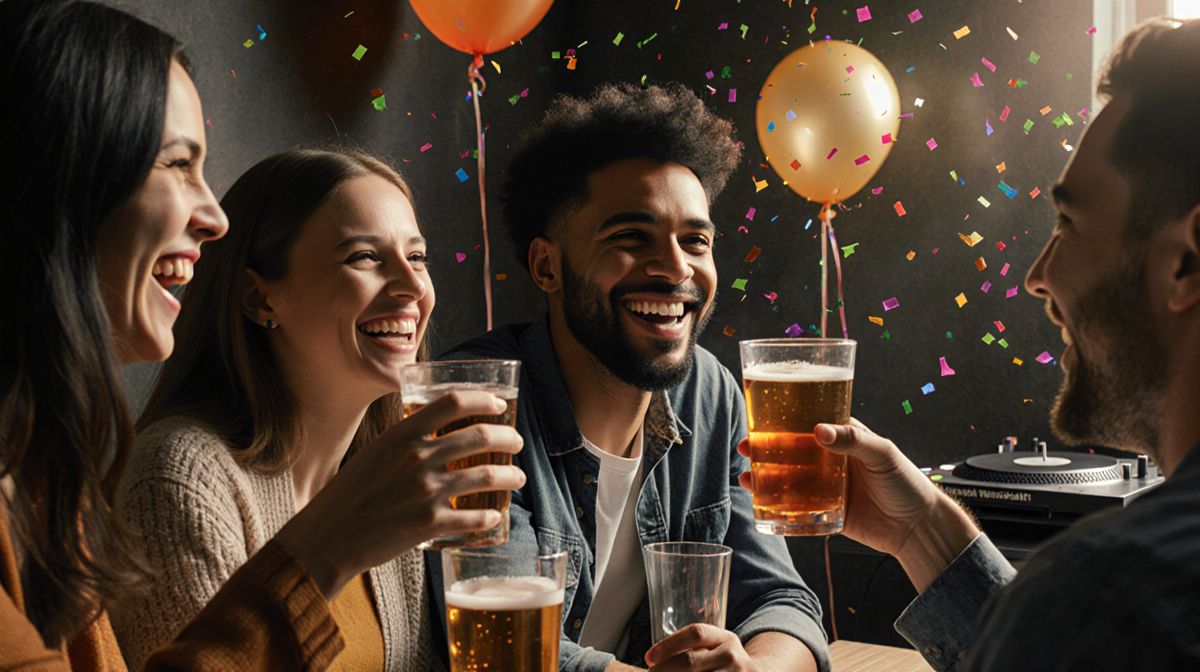
Oz’s comments framed alcohol as a “social lubricant” that can help people bond. He added, “In the best-case scenario, I don’t think you should drink alcohol, but it does allow people an excuse to bond and socialize, and there’s probably nothing healthier than having a good time with friends in a safe way.” His remarks were intended to reassure people who might feel pressured to drink.
Expert Criticism
Health experts and researchers countered Oz’s stance. Priscilla Martinez, deputy scientific director at the Alcohol Research Group, said, “I don’t think we have evidence to say that drinking is going to make you be more social and therefore be happier or have closer friends.” She noted the group’s 2023 report concluded that more drinking increases the likelihood of alcohol-related disease or death, but the report was never published.
Andrew Nixon, a spokesperson for the Department of Health and Human Services, defended the guidelines as “based on rigorous scientific review and independent oversight,” but did not address Martinez’s concerns.
Sober Movement Response
The sober-lifestyle community, which has grown with the rise of #sobertok and alcohol-free member clubs, has decried the new guidelines. Rachel Hechtman, a New York City content creator and sober life coach, said, “People are just concerned that this is going to impact people who are on the fence, whether they should stop drinking or not.” She added, “I mean, it’s disgusting.”
Hechtman quit drinking in 2021 after participating in Dry January and now promotes alcohol-free social spaces. She noted that “the rise of alcohol-free social spaces in New York City and the increasing popularity of sobriety have helped.”
Industry and Public Health Context
The alcohol industry has embraced Oz’s framing, with brands like Dos Equis and Heineken advertising alcohol as a means to foster real-life connection. Dos Equis revived its “Most Interesting Man in the World” character to encourage sharing stories over a beer. Heineken’s CEO, Dolf van den Brink, told the Financial Times that discussions about alcohol’s health risks should consider its role as a “social lubricant” during a “mental health epidemic.”
A Bloomberg analysis reports that alcohol sales have declined over the last four years, partly due to the sober-culture movement and rising living costs. Gallup data from July 2025 shows that 54% of U.S. adults reported consuming alcohol, down from 62% in 2023. Among young adults, 66% said that one or two drinks per day was bad for their health.
Social Spaces Without Alcohol
In response to the shift, sober influencers and community leaders have highlighted alternative social venues. Justin Gurland, founder of The Maze-New York City’s first dry members club-said, “Without alcohol as a buffer or crutch, people tend to be more present and more intentional.” Eric Klinenberg, a sociology professor at New York University, argued that “getting people to drink more would probably not be at the top of my list” and advocated for parks, playgrounds, and athletic facilities.
Balancing Social and Health Outcomes
While some studies suggest moderate drinking can enhance positive moods and help strangers connect, the consensus among health experts is that any alcohol consumption carries risks. The World Health Organization states there is no safe limit for alcohol, and even light drinking can cause cancer. A federal report in January 2025 concluded that one daily drink could increase the chances of liver cirrhosis, esophageal cancer, and oral cancer. Conversely, a December 2024 report linked moderate drinking to a lower risk of overall death and heart disease but an increased risk of breast cancer.
Dr. Oz has doubled down on his statements, clarifying that “brunch is obviously different than breakfast. (Yes, still keep to a minimum.)” His comments continue to polarize the public debate.
Key Takeaways
- The new guidelines remove specific alcohol limits, replacing them with a general recommendation to drink less.
- Dr. Oz frames alcohol as a social lubricant, a stance criticized by health experts.
- The sober-lifestyle movement views the change as a step backward.
- Industry advertising continues to emphasize alcohol’s role in social connection.
- Public health data shows alcohol consumption is linked to serious health risks, though moderate drinking may have some social benefits.
The conversation around alcohol’s place in society is far from settled, and the new guidelines have added a fresh layer of complexity to an already contentious debate.