
At a Glance
- Everest’s trash deposit rule, in place since 2014, is being scrapped.
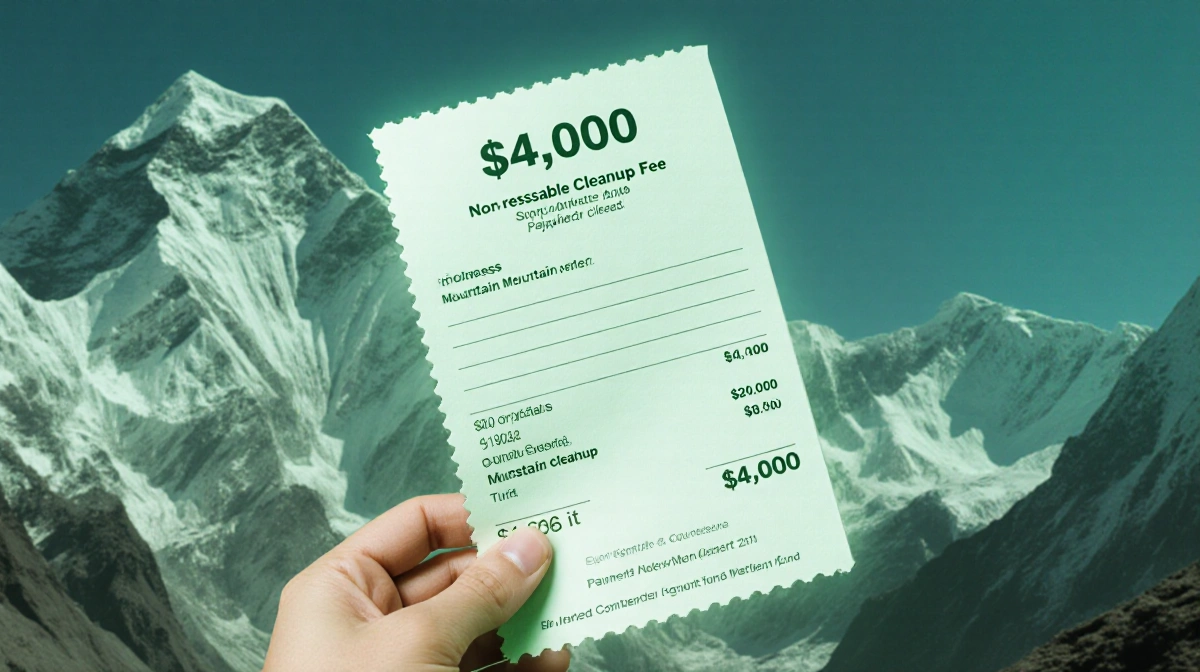
- Climbers will now pay a $4,000 non-refundable fee to fund a new cleanup fund.
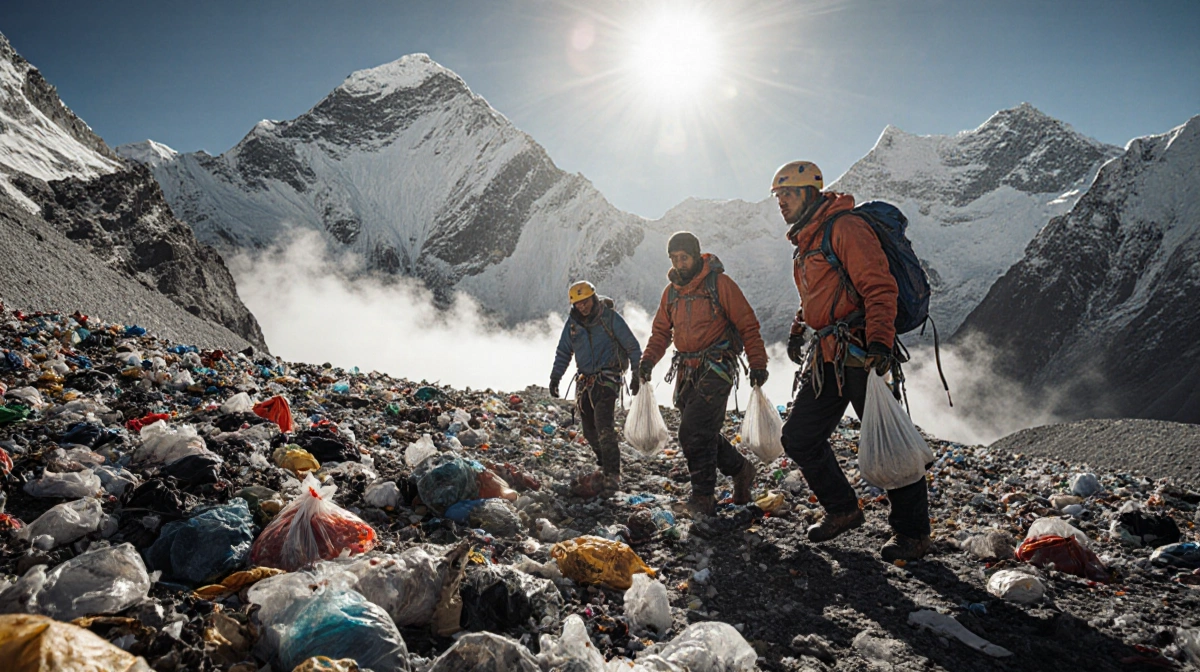
- The change follows 85 t of waste collected at base camp and 10 t from higher camps, yet 40-50 t still litter the South Col.
- Why it matters: The move aims to tackle the mountain’s growing waste crisis and protect climbers and locals.
Everest’s garbage problem has persisted for more than a decade. Nepal’s tourism department has decided to end the 18-lb deposit scheme, replacing it with a larger cleanup fee that will support new waste-management projects.
Why the Deposit Scheme Fell Short
The deposit rule required climbers to haul at least 18 lb (8 kg) of trash down the mountain or forfeit a $4,000 deposit.
Himal Gautam stated:
> “The garbage problem has not gone away after more than a decade, and the waste deposit scheme has become an administrative burden.”
Key issues include:
- Climbers mainly remove waste from lower camps.
- There is no requirement to bring back more trash than they leave behind.
- Above the Khumbu Icefall, monitoring of climber waste is virtually nonexistent.
New Cleanup Strategy
The revised plan will charge a non-refundable cleanup fee-likely $4,000-to create a permanent mountain welfare fund.
Tshering Sherpa said:
> “We need more waste monitoring at higher altitudes, and climbers must be held accountable for trash left behind.”
The fund will finance:
- Construction of garbage collection and processing facilities at base camp or nearby.
- Deployment of rangers to enforce removal of trash from higher camps.
- A feasibility study to relocate Everest Base Camp.
| Area | Tons Collected | Tons Remaining |
|---|---|---|
| Base Camp | 85 | – |
| Higher Camps | 10 | – |
| South Col | – | 40-50 |
The Ministry of Culture, Tourism, and Civil Aviation’s five-year mountain cleanup action plan will incorporate this new fee and the associated projects.
Key Takeaways
- The 18-lb deposit rule is being replaced by a $4,000 cleanup fee.
- The fee will fund new waste-management infrastructure and ranger patrols.
- 85 t of waste has already been collected, but 40-50 t still remain at the South Col.
The government’s decision signals a stronger commitment to cleaning Everest, but the challenge of removing the mountain’s accumulated trash remains immense.