
At a Glance
- The Environmental Protection Agency ruled Thursday that xAI illegally operated up to 35 natural gas turbines at its Colossus data centers in Tennessee
- Only 15 turbines were ultimately permitted, leaving 12 currently in operation
- Local communities and legal groups had sued over increased ozone and particulate emissions
- Why it matters: The ruling sets precedent for how AI companies must comply with environmental regulations when building power-hungry data centers
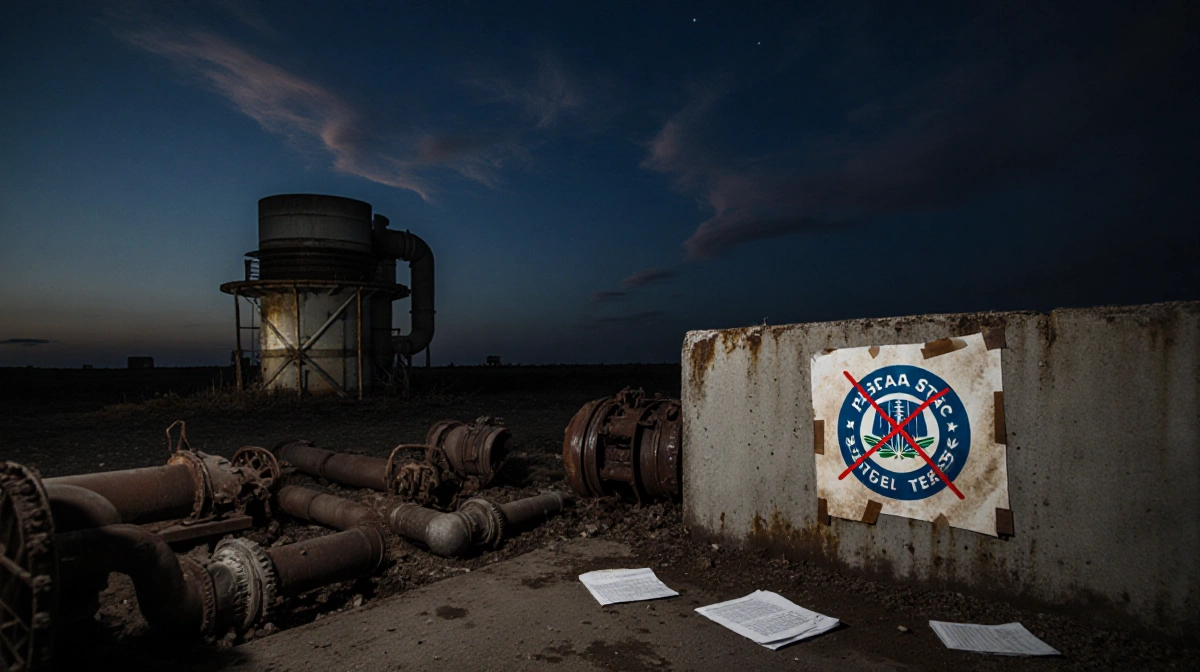
The Environmental Protection Agency has dealt a major blow to Elon Musk’s artificial intelligence company, ruling that xAI has been illegally operating dozens of natural gas turbines to power its massive data center operations in Tennessee.
EPA Rejects xAI’s Temporary Use Claim
The EPA’s final ruling, issued Thursday, concludes a regulatory review that has stretched over a year. xAI had argued that its gas turbines qualified for an exemption because they were being used on a temporary basis while permanent power infrastructure was developed.
The agency flatly rejected this interpretation. According to the ruling, the turbines have been in continuous operation for extended periods, making them subject to the same emissions standards and permitting requirements as permanent installations.
The violation involves turbines that have been powering xAI’s Colossus supercomputer cluster in Memphis. The facility, which Musk has positioned as a competitor to OpenAI’s infrastructure, requires massive amounts of electricity to train large language models.
From 35 Turbines to 12: The Scale of Operations
At the height of its unauthorized operations, xAI was running 35 natural gas turbines simultaneously. These units provided the primary power source for the data center’s operations before grid connections were fully established.
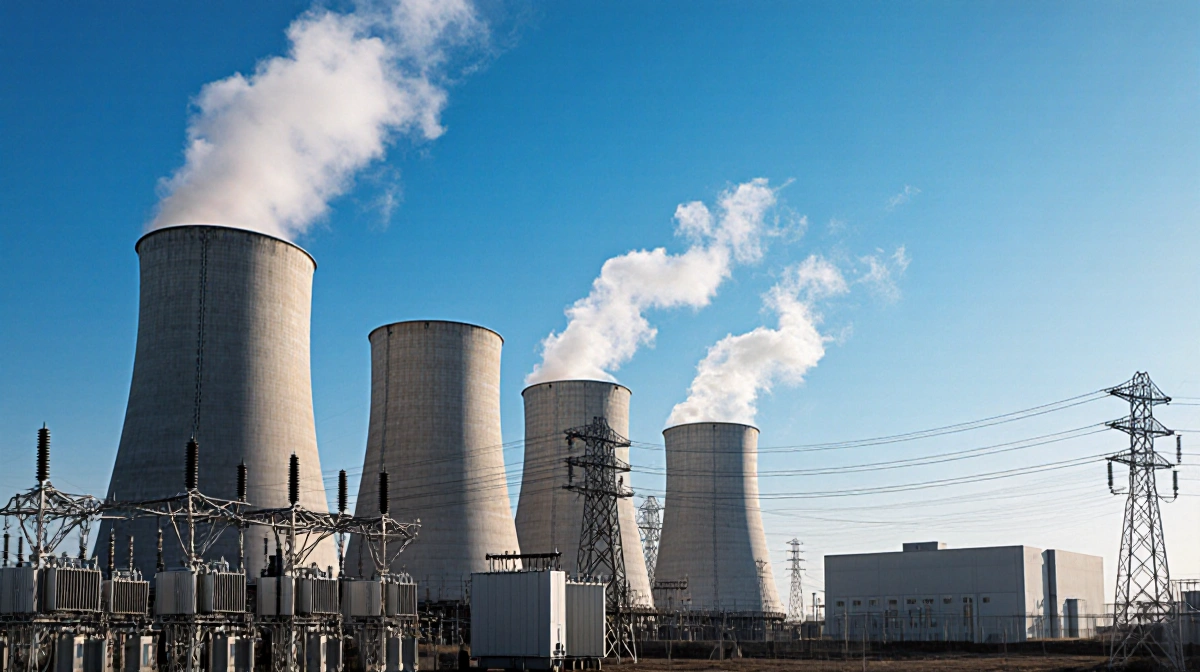
The company later sought proper permits for a portion of these units. Ultimately, only 15 turbines received regulatory approval through the standard permitting process. This represents less than half of the turbines originally in operation.
As of the EPA’s ruling, xAI has scaled back to 12 permitted turbines providing power to its Tennessee data centers. The company has not indicated whether it plans to seek additional permits for the remaining turbines or if it will rely on grid power for future expansion.
Community Backlash and Legal Pressure
The unauthorized power generation drew immediate criticism from local residents and environmental groups. The turbines’ emissions added significant pollution to an area already struggling with air quality issues.
Local communities, supported by legal organizations, filed a lawsuit against xAI. The suit specifically cited the company’s contribution to increased ozone levels and particulate matter emissions in the region. Memphis and the surrounding areas have historically faced challenges meeting federal air quality standards.
The legal action appears to have influenced the EPA’s timeline and thoroughness in investigating the matter. Community groups provided documentation and air quality data that supported the agency’s findings.
The One-Year Regulatory Journey
The EPA’s investigation began shortly after local activists raised concerns about the turbines’ emissions. The process involved multiple site inspections, emissions testing, and review of xAI’s operational records.
Throughout the investigation, xAI maintained that its operations fell within legal boundaries under temporary use exemptions. The company provided documentation showing initial plans for temporary power generation while awaiting permanent utility connections.
However, evidence gathered by EPA inspectors showed that many turbines had been operating continuously for months, far exceeding typical temporary use periods. This operational pattern triggered requirements for proper permits, emissions controls, and community impact assessments.
Implications for AI Infrastructure Development
The ruling represents one of the first major regulatory actions targeting power generation for artificial intelligence infrastructure. As AI companies race to build larger models requiring massive computing resources, energy sourcing has become a critical challenge.
Many AI companies have turned to on-site power generation as a rapid solution for energy-intensive training runs. The EPA’s decision signals that these operations cannot bypass environmental regulations, even when labeled as temporary.
The case may influence how other technology companies approach power generation for data centers. Companies planning AI infrastructure projects will need to factor in permitting timelines and emissions controls from the project’s inception.
Current Status and Next Steps
With the EPA’s ruling now finalized, xAI must ensure full compliance with emissions standards for its remaining 12 permitted turbines. The company has not publicly disclosed whether it will appeal the decision or seek additional permits.
The ruling does not include specific penalties, but it establishes a clear regulatory precedent. Future violations could result in significant fines and operational restrictions.
The Memphis data center continues operations, now drawing power from a combination of permitted on-site turbines and grid electricity. xAI has not announced plans for expanding power generation capacity at the site.
Key Takeaways
- The EPA’s ruling against xAI’s unauthorized turbine operation sets a precedent for AI infrastructure regulation
- Environmental compliance cannot be bypassed through claims of temporary operations
- Community pressure and legal action played a crucial role in bringing regulatory attention to the issue
- The case highlights the growing tension between rapid AI development and environmental protection requirements