
In a discovery that could rewrite the timeline of human technological progress, archaeologists in England have uncovered the oldest direct evidence of fire‑making by human ancestors.
A 400,000‑Year‑Old Hearth
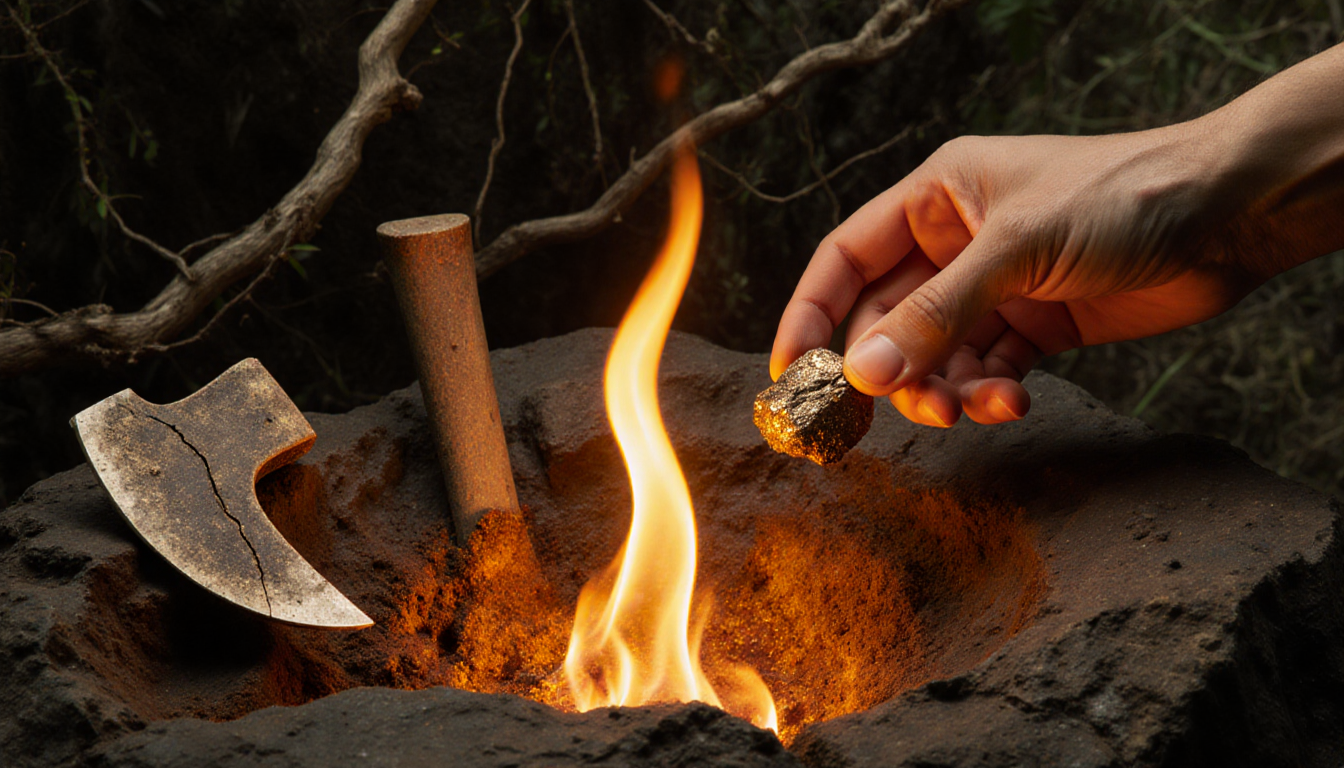
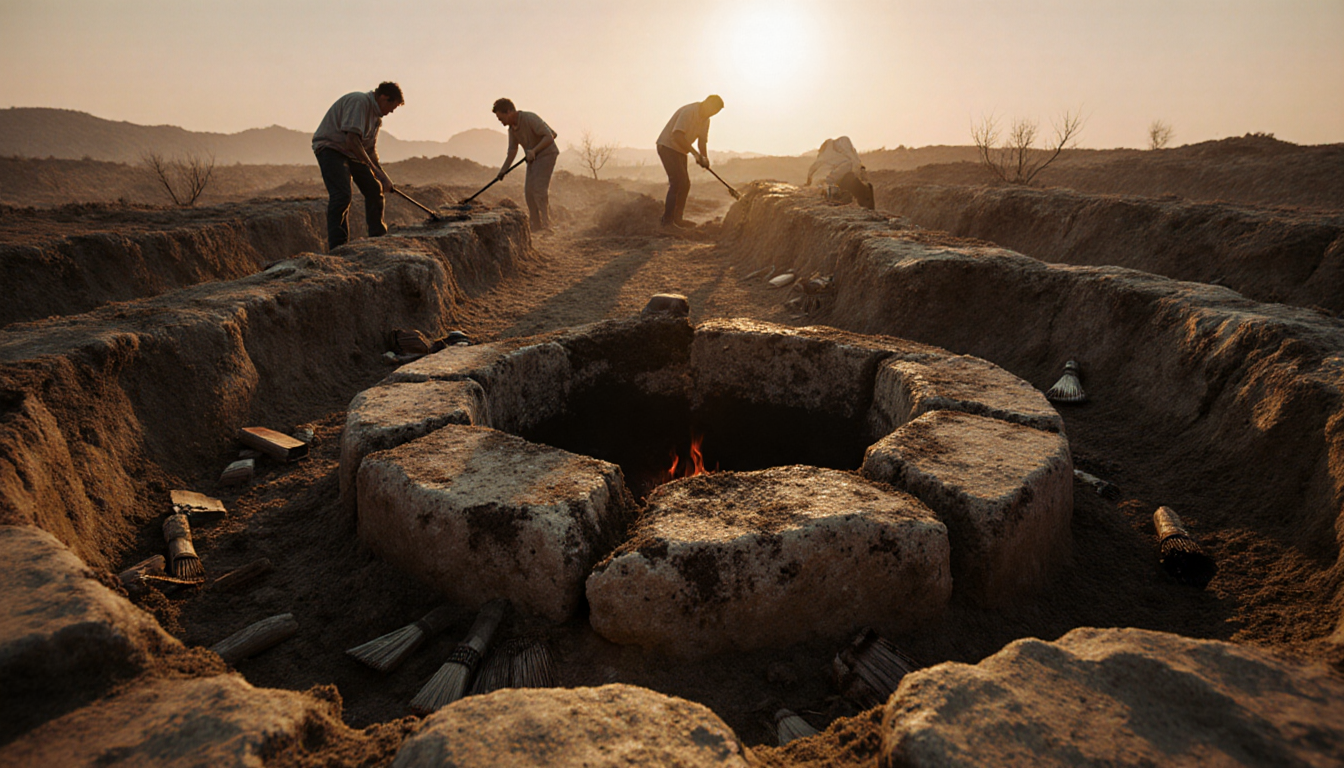
The Barnham site, once a woodland and pond, yielded a hearth, flint tools, and fragments of iron pyrite that together suggest Neanderthals struck pyrite with flint to create sparks and ignite fire.
The Evidence
Researchers identified fire‑residue in sediments, fire‑cracked flint hand axes, and two rare pyrite fragments that geologic analysis indicates were deliberately brought to the site for ignition.
A Record‑Breaking Date
Published in Nature on Wednesday, the study claims the Barnham findings represent the earliest direct evidence of fire‑making anywhere in the world.
Nick Ashton’s Claim
“This is a 400,000‑year‑old site where we have the earliest evidence of making fire, not just in Britain or Europe, but in fact anywhere else in the world,” said Nick Ashton, a study author and curator at the British Museum.
A 350,000‑Year Push
Ashton added that the discovery pushes back the first solid evidence of fire‑making by human ancestors by roughly 350,000 years.
What Was the Fire Used For?
The researchers are unsure of the exact purpose, but suggest possible uses such as roasting venison, carving tools, or gathering around the flame to share stories.
Theoretical Significance
One hypothesis links fire‑making to increased brain size, as cooking makes food easier to digest and provides more calories.
Chris Stringer on Brain Energy
“Our brains are energetically expensive. They use about 20% of our body energy. So having the use of fire, having the ability to make fire, is going to help release nutrition from the food, which will help to fuel that brain, help to run it. And indeed, you know, allow the evolution of a bigger brain,” said Chris Stringer, research leader on human evolution at the Natural History Museum London.
Not the First Fire‑Making, but the First Confident Example
Stringer clarified that the finding does not mark the start of humans’ ability to make fire, only the earliest example researchers feel confident about.
Earlier, Contested Evidence
Earlier suggestions of fire use in present‑day South Africa, Israel, and Kenya exist, but those examples remain debated and subject to interpretation.
Archaeological Challenges
From an archaeological standpoint, it is difficult to determine whether a fire was natural or human‑made.
Dennis Sandgathe on Wildfire vs. Human‑Made Fire
“The question is, are they collecting it from natural sources or just carrying around and curating it? Or are they making it up? On the surface, this is a very compelling case that groups knew how to make fire,” said Dennis Sandgathe, a senior lecturer in archaeology at Simon Fraser University.
Rare Pyrite and Fire Residue
The study points to the presence of sediments containing fire residue, stone tools like fire‑cracked flint hand axes, and two small fragments of iron pyrite that geologic analysis suggests is extremely rare and was likely brought to the site by humans to make fire.
External Skepticism
Wil Roebroeks, a professor emeritus of paleolithic archaeology at Leiden University, wrote an email stating that much of the evidence here is “circumstantial.”
Roebroeks on the Barnham Claim
“The authors did an excellent job with their analysis of the Barnham data, but they seem to be stretching the evidence with their claim that this constitutes the ‘Earliest evidence of fire making,’” Roebroeks wrote.
Sandgathe on the Scattered History of Fire‑Making
“We have to be careful that we don’t take any one example of something … and just project that as an indication that from this point on, everybody is making fire,” Sandgathe said.
Multiple Discoveries, Multiple Losses
“Best guess is that fire‑making was discovered by multiple groups in different regions over time, and lost, rediscovered and lost. I’m sure it’s a very complicated history,” Sandgathe added.
Implications for Human Evolution
The ability to make and control fire could have provided warmth, protection, nutrition, and a social gathering space, all of which might have influenced cognitive evolution.
Key Takeaways
- The Barnham site in England contains the oldest direct evidence of fire‑making, dated to 400,000 years ago.
- Nick Ashton claims the discovery pushes back the first solid evidence of fire‑making by roughly 350,000 years.
- Experts debate the extent of the evidence, with some calling it circumstantial and others highlighting its significance for understanding brain evolution.
The discovery opens a new chapter in the story of how early humans harnessed fire, but also reminds scholars that the history of fire‑making is complex, scattered, and still subject to debate.