

At a Glance
- Edenlux is developing eye-health devices for screen-heavy users.
- The company’s first product, Otus, has earned $10 million in revenue.
- Eyeary, a lighter, app-connected glasses-style device, is set to launch on Indiegogo in March 2026.
- Why it matters: Millions of smartphone users risk eye strain; Edenlux offers a tech-based preventive solution.
Smartphones now occupy more than three hours of daily use on average, with many adults reaching six hours or more of screen time. This constant exposure has been linked to a growing list of eye-health problems, from dry eyes to worsening nearsightedness. In response, South Korea-based Edenlux has built a line of wellness devices aimed at protecting and restoring vision.
Background: From Military Medicine to Vision Tech
The company’s founder, Sungyong Park, once served as a military physician. While treating severe neck stiffness, he received a muscle-relaxant injection that temporarily paralyzed the eye muscles responsible for focusing. Doctors said he had to wait for recovery, but Park chose to act. He imported specialized ophthalmic equipment and began retraining his own eye muscles, eventually regaining vision. That experience shaped his view of eye health and led him to create technology that helps others protect their sight in a screen-heavy world.
“People can lose control of their eyesight without realizing it,” Park said. “I wanted to give people a way to prevent that.”
Eyeary: The Next-Generation Recovery Tool
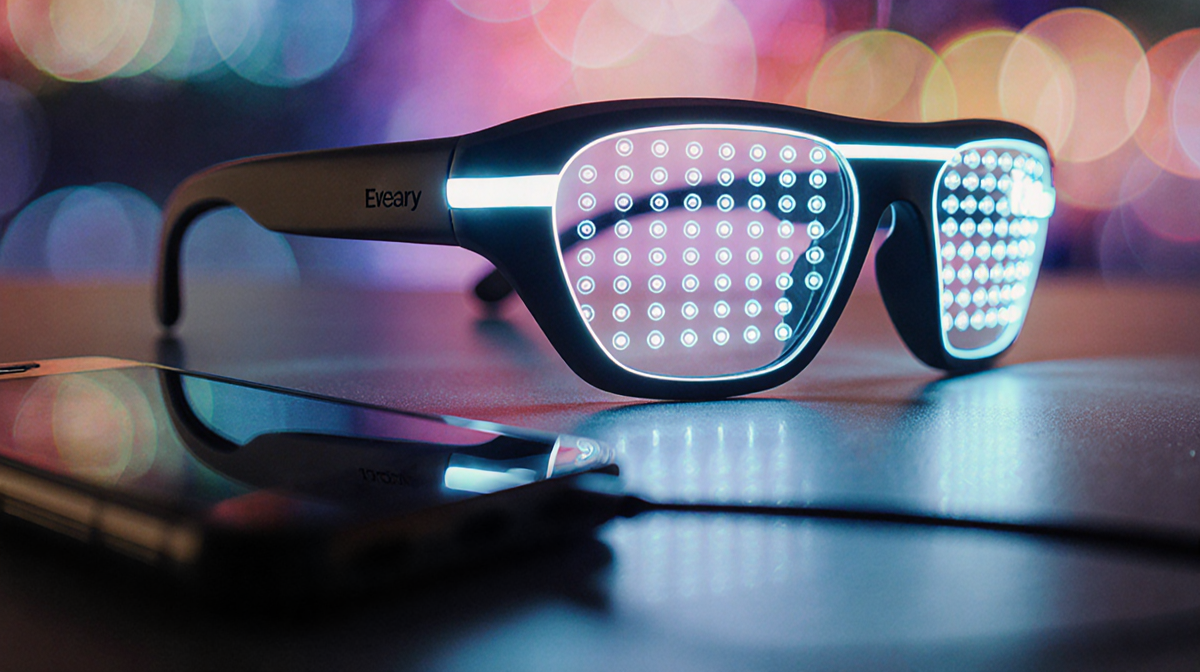
Eyeary is a daily visual-recovery device that looks like ordinary glasses but incorporates 144 diopter focal points for fine focus adjustments. The device pairs with a mobile app via Bluetooth, collecting usage data that feeds back to Edenlux’s servers. Using AI, the company analyzes datasets across age, gender, and vision profiles to predict improvement timelines and tailor training programs.
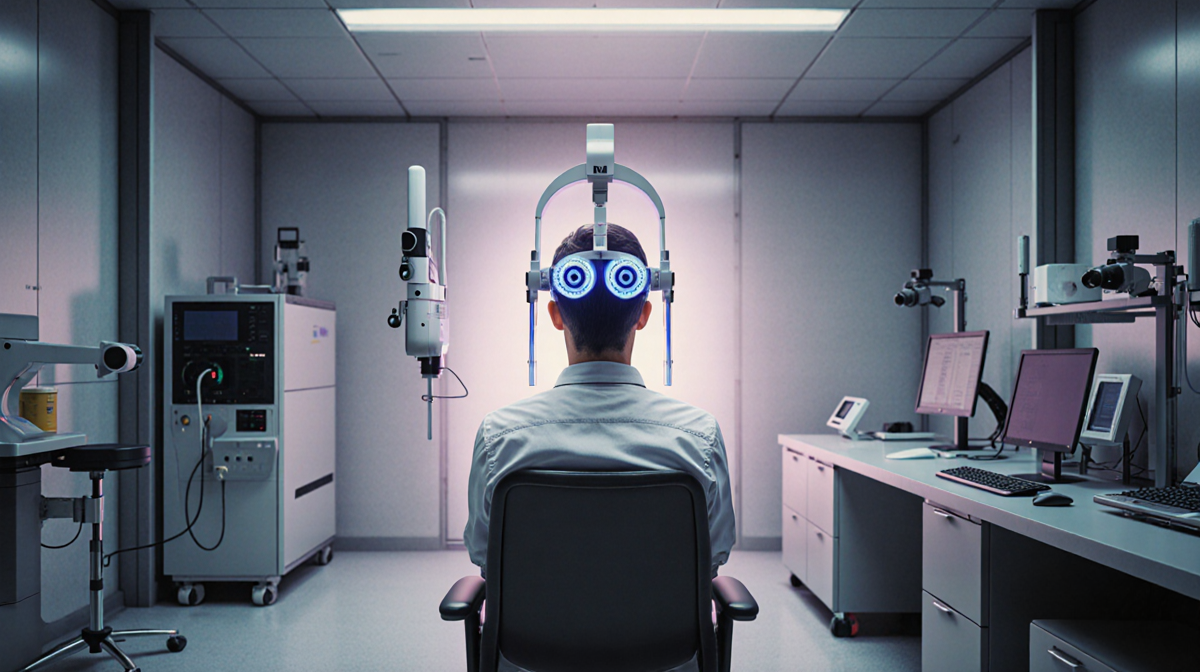
In contrast, the original Otus device, launched in 2022 in South Korea, Singapore, Japan, and Taiwan, uses a bulky VR-style design with lenses that contract and relax the ciliary muscle. Otus has generated $10 million in cumulative revenue. Park said, “With Otus, users typically took about 12 months to reduce their dependence on reading glasses. Eyeary could shorten that to around six months.”
A side-by-side comparison highlights key differences:
| Feature | Otus | Eyeary |
|---|---|---|
| Design | VR-style, bulky | Glasses-style, lightweight |
| Diopter points | 5 | 144 |
| Targeted training | Ciliary muscle | Fine focus adjustments |
| Estimated time to benefit | 12 months | 6 months |
Technology Behind the Devices
Edenlux’s devices use a combination of optical engineering and machine learning. The lenses in Eyeary are precisely calibrated to shift focus by 0.25 diopter increments for fine focus adjustments. The device’s software uses AI to adapt the focus schedule based on real-time data.
By integrating sensor data, AI-driven analytics, and user feedback, Eyeary provides a personalized visual-recovery program that adjusts automatically over time.
Market Impact and Future Directions
Edenlux’s strategy to combine hardware, AI, and data analytics creates a new category of eye-health technology that fills a critical gap for millions of people who use digital devices daily. The company’s funding and partnerships position it well for scaling and expanding its product line.
The company’s roadmap includes:
- Expanding the product line to include premium smart glasses with advanced health tracking.
- Collaborating with eye-care professionals to integrate Edenlux’s platform into clinical workflows.
- Leveraging AI to predict and prevent vision problems before they arise.
Conclusion
Edenlux’s vision is clear: to empower people to take control of their eye health with accessible, data-driven technology. By combining optical design, AI analytics, and a wellness-device regulatory path, Edenlux is poised to make a lasting impact on the intersection of technology and health.
By combining optical design, AI analytics, and a wellness-device regulatory path, Edenlux is set to transform how people protect and enhance their vision in the digital age.