
Disney’s tightened Disability Access Service (DAS) program has sparked a federal lawsuit and a shareholder proposal, as fans argue the new rules unduly restrict disabled guests’ ability to skip long lines.
What the DAS Program Is and How It Has Changed
The Disability Access Service, introduced in 2013, lets pass‑holders and their immediate family members reserve a ride online and then join an expedited line that typically takes about 10 minutes. The program was created after abuse by “tour guides” who charged money to help able‑bodied guests skip lines. Disney said the program had grown fourfold, with the percentage of guests holding DAS passes rising from about 5 % to 20 % over the past dozen years.
Under the latest changes, the program now focuses mainly on guests with developmental disabilities such as autism. To obtain a pass, applicants must undergo a video‑chat interview with a Disney employee and a contracted medical professional who determine eligibility. Those found to have lied can be barred from the parks.
Shannon Bonadurer, a professional travel adviser from Michigan, was denied a pass despite using an ileostomy bag, and her 25‑year‑old son, who is blind and has cerebral palsy and autism, was also denied. “This isn’t right. This isn’t what Walt and Roy would have wanted,” she said. “They are making a determination about whether you’re disabled enough.”
Disney’s Response and Other Accommodations
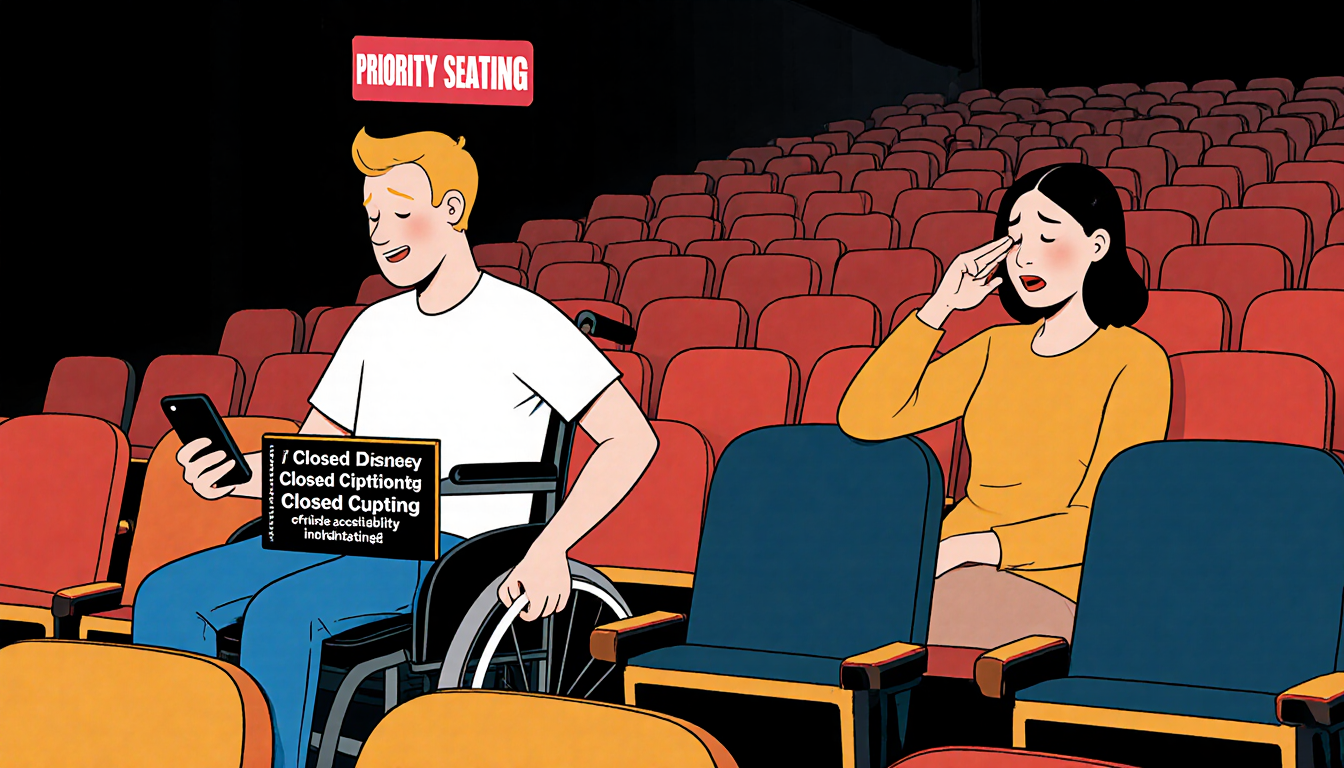
Disney maintains that the Americans with Disabilities Act does not require equal treatment for all disabilities. The company says it offers alternative accommodations for those who do not meet the new DAS criteria. ‘For example, in a crowded movie theater, a person using a wheelchair may be entitled to priority seating even if they arrive shortly before the movie starts, while a deaf person may only be entitled to a seat with closed captioning,’ the company said in court filings.
Other theme‑park operators differ. Universal, for instance, allows disabled visitors to receive shorter lines if they hold a card issued by an international board that certifies venues for accessibility.
Legal and Shareholder Actions
A shareholder proposal submitted by DAS Defenders, an advocacy group opposed to the DAS changes, urges Disney to commission an independent review of its disability policies and publicly release the findings. The proposal also claims the changes have contributed to lower park attendance.
Disney’s attorneys told the Securities and Exchange Commission in a November letter that they intend to block the proposal before the 2026 shareholder meeting. The company said the proposal was “false and misleading” about the reasons for an attendance decline, which it attributes to hurricanes. Disney also argued that the proposal amounts to micromanaging day‑to‑day operations.
Key Takeaways
- Disney’s DAS program now limits eligibility mainly to developmental disabilities such as autism.
- Denied applicants include Shannon Bonadurer and her son, who are blind and have cerebral palsy and autism.
- A shareholder proposal seeks an independent review, but Disney plans to block it, citing hurricane‑related attendance declines.
The dispute highlights a clash between Disney’s efforts to curb abuse of its disability line‑skipping program and fans’ demand for broader access for all disabled guests.