
At a Glance
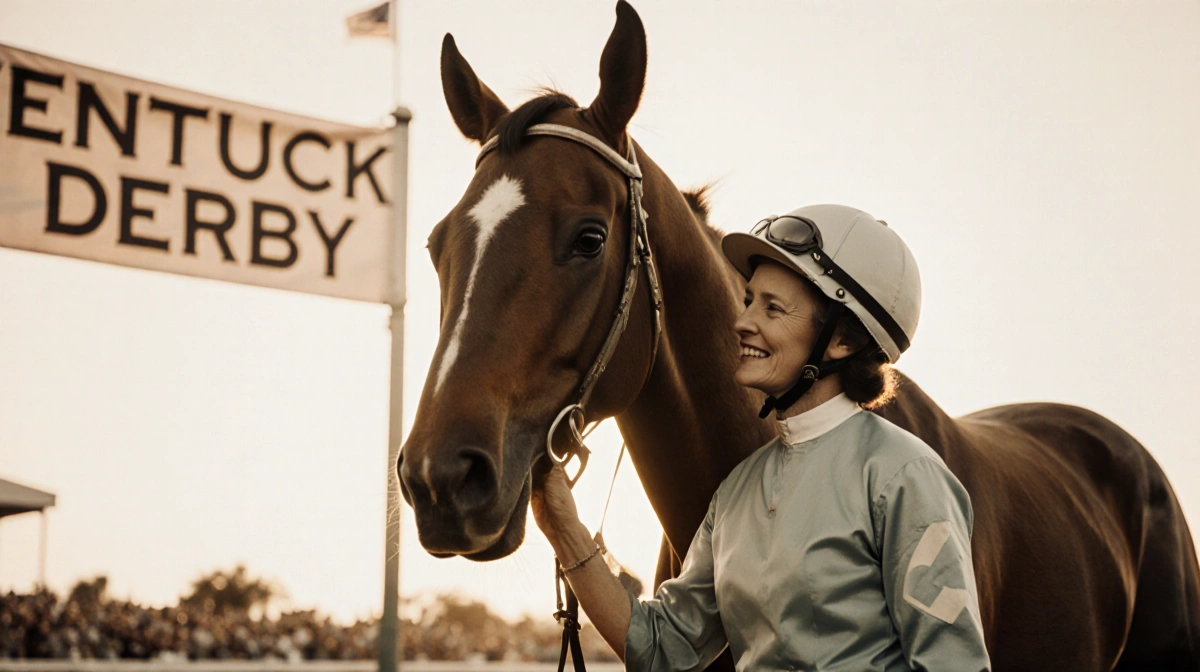
- Diane Crump, 77, first woman to ride professionally in a horse race (1969) and first female jockey in the Kentucky Derby (1970), has died.
- Diagnosed with an aggressive brain cancer in October, she passed Thursday night in hospice care in Winchester, Virginia.
- She won 228 races, with her last race in 1998, almost 30 years after her historic 1969 Hialeah Park ride.
Why it matters: Her pioneering achievements broke gender barriers and left a lasting legacy in horse racing.
The horse-racing world mourns the passing of Diane Crump, a trailblazer whose career began in 1969 and whose courage opened doors for generations of female jockeys.
Trailblazing Career
Diane Crump fought to earn a jockey license, confronting male jockeys who threatened boycotts when she rode. Security guards protected her as a crowd pressed in at Hialeah Park on Feb 7, 1969. Six of the original 12 jockeys refused to ride, including Angel Cordero Jr., Jorge Velasquez, and Ron Turcotte, who later rode Secretariat to win the Triple Crown.
- Angel Cordero Jr.
- Jorge Velasquez
- Ron Turcotte
Historic Races
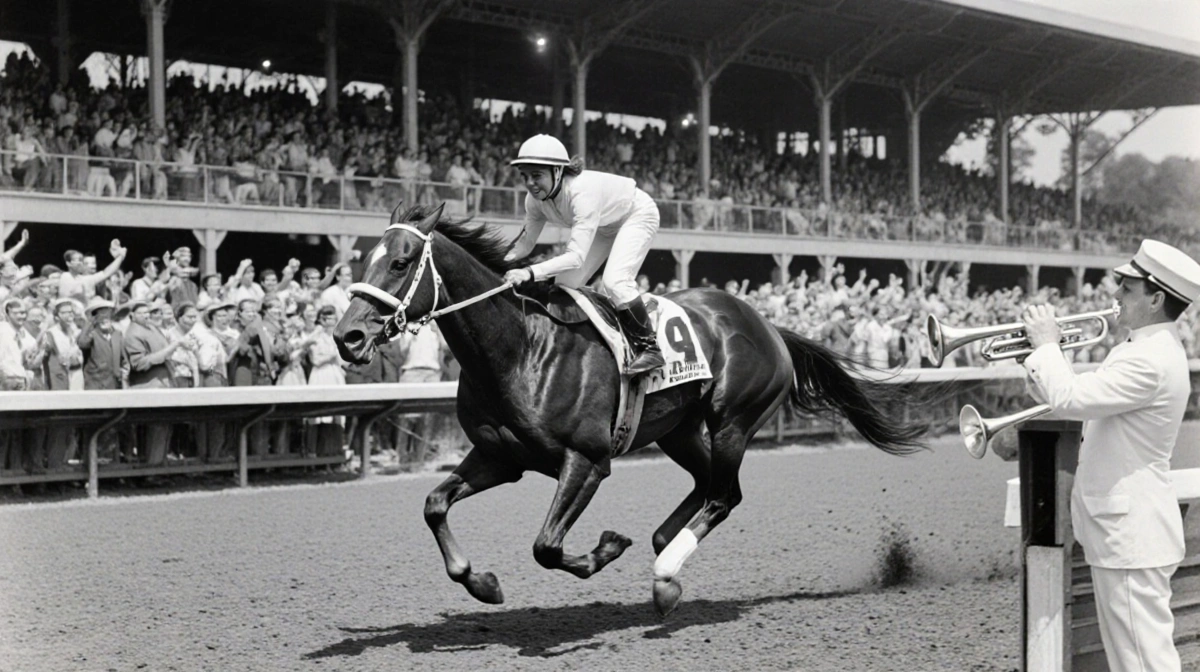
The bugler played “Smile for Me, My Diane” instead of the traditional post call as Crump rode the 50-1 longshot Bridle ‘n Bit, finishing 10th and breaking the barrier. A month later, Bridle ‘n Bit gave her first victory at Gulfstream Park. In 1970 she won the first race at Churchill Downs but finished 15th of 17 on Fathom in the Kentucky Derby, and fourteen years passed before another female jockey rode in the Derby.
| Date | Event | Note |
|---|---|---|
| 1969 | Hialeah Park debut | First professional race |
| 1970 | Kentucky Derby | First female jockey |
| 1998 | Last race | Almost 50th birthday |
| 2024 | Kentucky Derby | Less than a week away (context) |
Legacy and Tributes
Mike Anderson, president of Churchill Downs, said:
> “Diane Crump will be forever respected and fondly remembered in horse racing lore.”
He noted she had been riding since age 5 and was an iconic trailblazer who admirably fulfilled her childhood dreams.
Chris Goodlett of the Kentucky Derby Museum added:
> “Diane Crump’s name stands for courage, grit, and progress.”
He continued:
> “Her determination in the face of overwhelming odds opened doors for generations of female jockeys and inspired countless others far beyond racing.”
Della Payne recounted:
> “When my mother went into assisted living a month ago, she was quasi-famous in the medical center because of how much time she had spent there. A steady stream of doctors and nurses came to see her. One of the last people to visit her was the man who mowed her lawn.”
She said Crump would never take “no” for an answer, being stubborn and never letting anyone down.
Later Life
After retiring, Crump settled in Virginia and started a business helping people buy and sell horses. She took her Dachshund therapy dogs to visit patients in hospitals and clinics for years, and her mottos “Kindness” and “Compassion” were tattooed on her forearms. Crump will be cremated and her ashes interred between her parents in Prospect Hill Cemetery in Front Royal, Virginia.
Key Takeaways
- Diane Crump broke gender barriers in horse racing, becoming the first female jockey in the Kentucky Derby.
- She won 228 races and left a legacy celebrated by industry leaders.
- Her later life was marked by compassion, community service, and a lasting impact on the racing world.
The horse-racing community remembers her courage and the doors she opened for future generations.