

At a Glance
- Olivia Yokunonis, known as Olivia Unplugged, interrupts TikTok and Instagram feeds to warn users about mindless scrolling.
- Researchers find most people underestimate their screen time by up to 20 minutes per session.
- Only 2% of Instagram users show clinical addiction symptoms, yet 18% believe they’re hooked.
- Why it matters: The disconnect between perceived and actual addiction may sabotage self-control and fuel guilt.
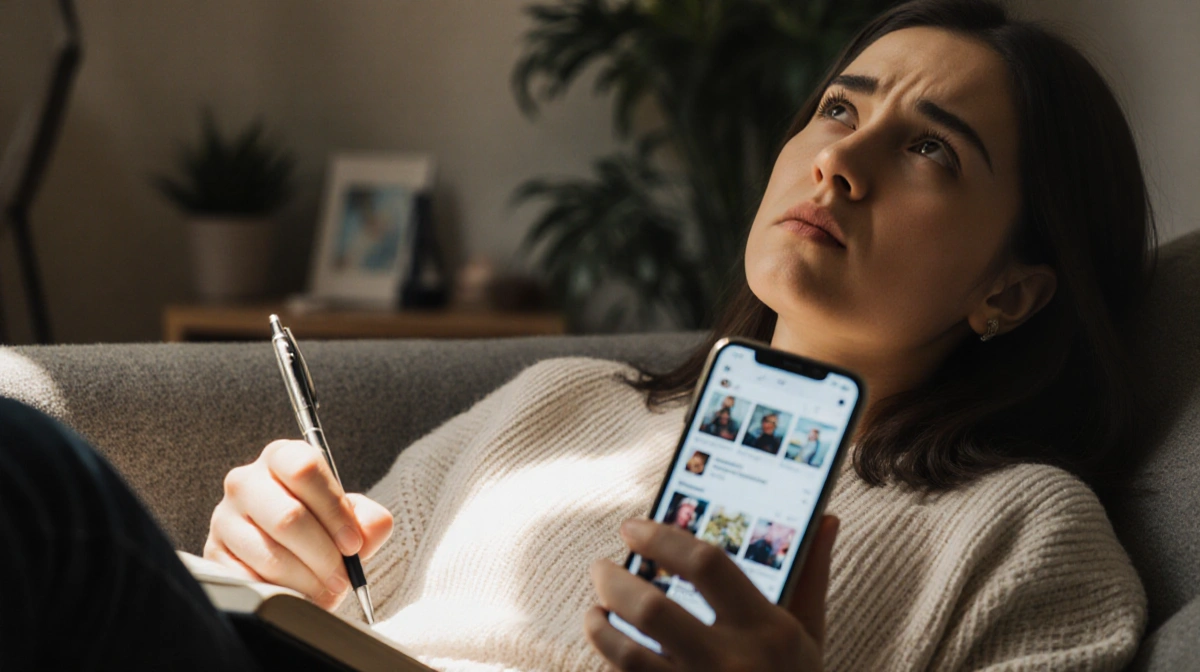
Scrolling feels like a 10-minute break until a creator pops up asking, “Remember the last video you watched?” That jolt is deliberate. A wave of influencers now embeds wake-up calls inside the very apps designed to keep thumbs moving.
The Rise of Anti-Scroll Creators
Olivia Yokubonis, 28, posts under Olivia Unplugged. Her clips rack up millions of views by reminding viewers they likely forgot the video that played two swipes earlier.
“People love hearing from people,” she told Olivia Bennett Harris. Most comments thank her; skeptics call the tactic ironic. Her reply: “Where else am I supposed to find you, Kyle? Outside?”
She works for Opal, a screen-time app, yet her page rarely shows logos or download pitches. The soft approach, she says, cuts through noise without adding to it.
The Shock of Real Screen Time
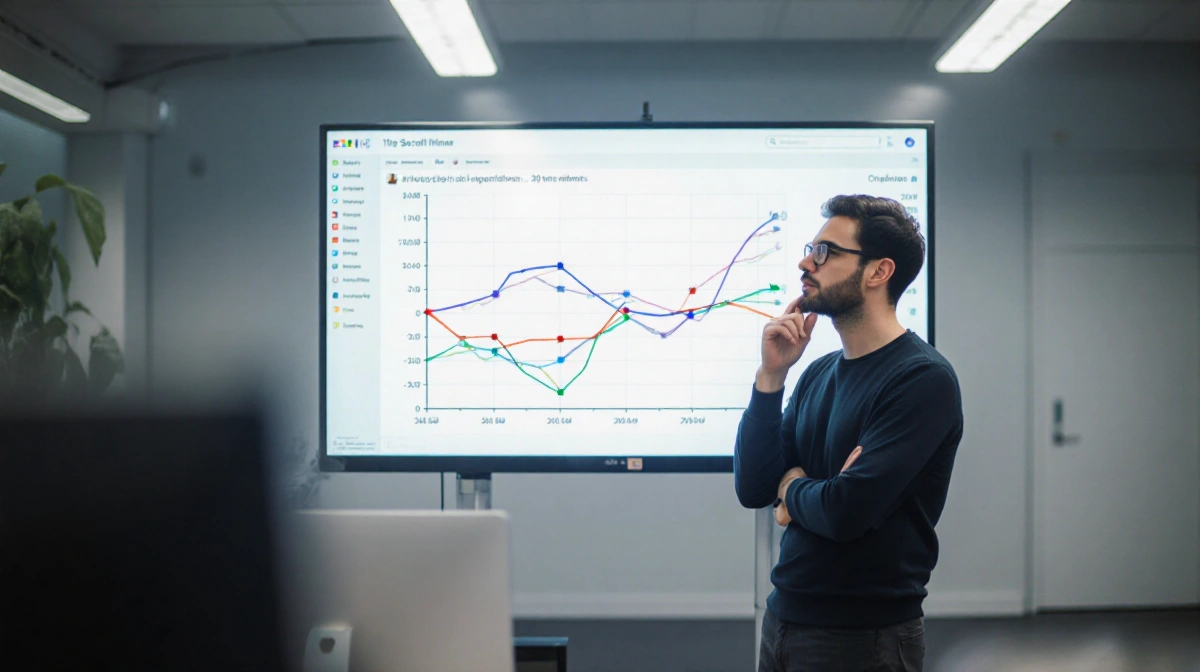
Ofir Turel, information-systems professor at the University of Melbourne, has tracked social-media habits for years. In lab studies he shows users their actual usage data.
“They’re practically in a state of shock,” he said. Many volunteers immediately trimmed their minutes.
Academic Doubts
Ian A. Anderson, Caltech postdoctoral scholar, questions whether the interruptions pierce habitual scrolling. Deeply ingrained users may register the message only subconsciously, he warned.
Anderson recently surveyed a representative sample of Instagram users. Self-ratings showed:
- 18% labeled themselves “somewhat addicted”
- 5% endorsed “substantial” addiction
- Yet clinical criteria flagged only 2% at risk
Believing you’re addicted, Anderson found, can erode the very self-control needed to log off. “It makes you blame yourself more for overuse,” he said.
Light-Touch Fixes
Anderson recommends small friction tweaks:
- Move the app icon to a new screen
- Disable push notifications
- Leave the phone outside the bedroom
“These don’t require heroic willpower,” he noted.
The Attention Industry
Cat Goetze, aka CatGPT, spent a decade in tech before pivoting to content about AI and screen-time traps. She bluntly tells followers:
“There’s an army of nerds whose only job is to get you to increase your time spent on that platform.”
Goetze founded Physical Phones, a startup selling Bluetooth landline handsets that pair with smartphones. The packaging reads: “Offline is the new luxury.”
Pre-orders sold out within weeks, proof, she says, that consumers crave external tools to counteract engineered stickiness.
Can 30 Minutes Replace 3 Hours?
Goetze doesn’t advocate full digital abstinence. “If we can get average screen time down from three hours to 30 minutes, that’s a net positive,” she argued. She still hopes her clips dominate those remaining 30.
Kids at Risk
Excessive screen use has been linked to disrupted sleep, attention issues, and mental-health strains in children. News Of Philadelphia recently aired a segment urging parents to set firmer limits ahead of summer break.
Key Takeaways
- Creators like Olivia Unplugged and CatGPT embed behavioral nudges inside addictive feeds.
- Most users misjudge their own usage; seeing hard data can prompt voluntary cutbacks.
- Feeling addicted-even when symptoms don’t meet clinical thresholds-can undermine self-regulation.
- Simple environmental tweaks, not grand resolutions, offer the most sustainable path to reduced scrolling.