


> At a Glance
> – Meta’s $2 billion purchase of AI platform Manus now faces export-control review in China
> – Beijing is probing whether Manus needed a license when its core team left China for Singapore
> – Founders could face criminal liability if restricted tech was moved without approval
> – Why it matters: The ruling may set a template for how Chinese startups can exit home turf
Meta’s blockbuster $2 billion deal to acquire AI assistant maker Manus has flipped the usual script: U.S. regulators seem relaxed while China is suddenly flexing oversight muscle.
From Beijing to Singapore-and into the spotlight
Manus shifted its headquarters from Beijing to Singapore earlier this year after Benchmark’s investment round drew U.S. political heat. Senator John Cornyn publicly criticized the deal, and the Treasury Department examined whether American money was flowing into a sensitive Chinese AI firm.
That pressure triggered what Chinese commentators now call “Singapore washing,” a tactic startups use to sidestep both U.S. and Chinese rules. Manus’s move appeared to work-until Meta offered $2 billion and Beijing reopened the file.
- Manus relocated its core team to Singapore
- The company described the shift as a “step-by-step disentanglement from China”
- Chinese professors warned on WeChat that founders risk prosecution if export controls were breached
Export rules as a weapon
China’s regulators are reviewing whether Manus required an export license before transferring technology and talent to Singapore. The probe echoes Beijing’s 2020 intervention when it used similar controls to complicate Trump-era attempts to force a TikTok sale.
Winston Ma, NYU law professor and Dragon Capital partner, told the Wall Street Journal that a smooth close “creates a new path for the young AI startups in China.” Officials fear that path could encourage mass relocations.
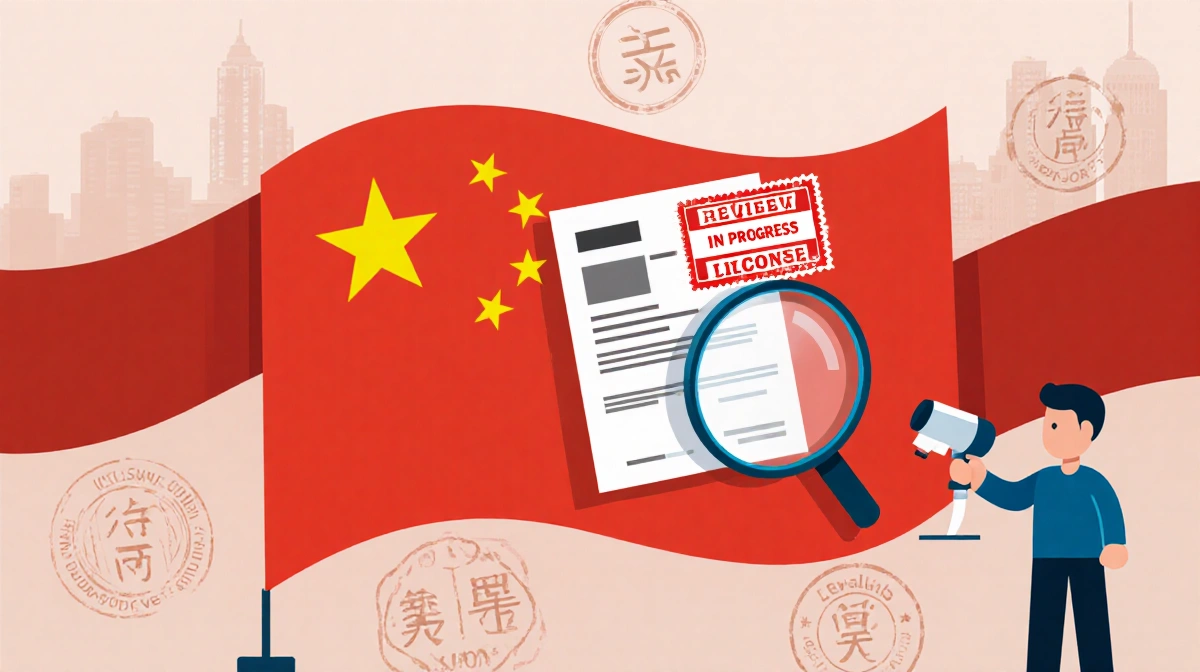
Timeline of key events
| Event | Date | Jurisdiction |
|---|---|---|
| Benchmark leads funding | Early 2026 | U.S. scrutiny |
| Manus moves to Singapore | Mid-2026 | Self-initiated |
| Meta announces acquisition | January 6, 2026 | Global |
| China opens export review | January 2026 | Beijing |
Washington’s take
Some U.S. analysts are celebrating the acquisition as proof that American investment restrictions are working. An expert told the Financial Times the deal shows “the US AI ecosystem is currently more attractive,” suggesting Chinese talent is voting with its feet.
Key takeaways
- China can still block deals even after companies relocate
- “Singapore washing” may no longer guarantee safe passage
- Meta’s integration timeline for Manus AI remains unclear
Whether the review delays closing or forces concessions, the $2 billion transaction is now far more complicated than either side expected.