
> At a Glance
> – Commonwealth Fusion Systems has installed the first of 18 magnets in its Sparc fusion reactor
> – The demo device is scheduled to switch on next year and could feed electricity to the grid in the early 2030s
> – Each 24-ton magnet generates a 20-tesla field-about 13× stronger than a typical MRI
> – Why it matters: If Sparc produces net-positive energy, fusion could deliver nearly limitless clean power from a plant that looks like a conventional facility
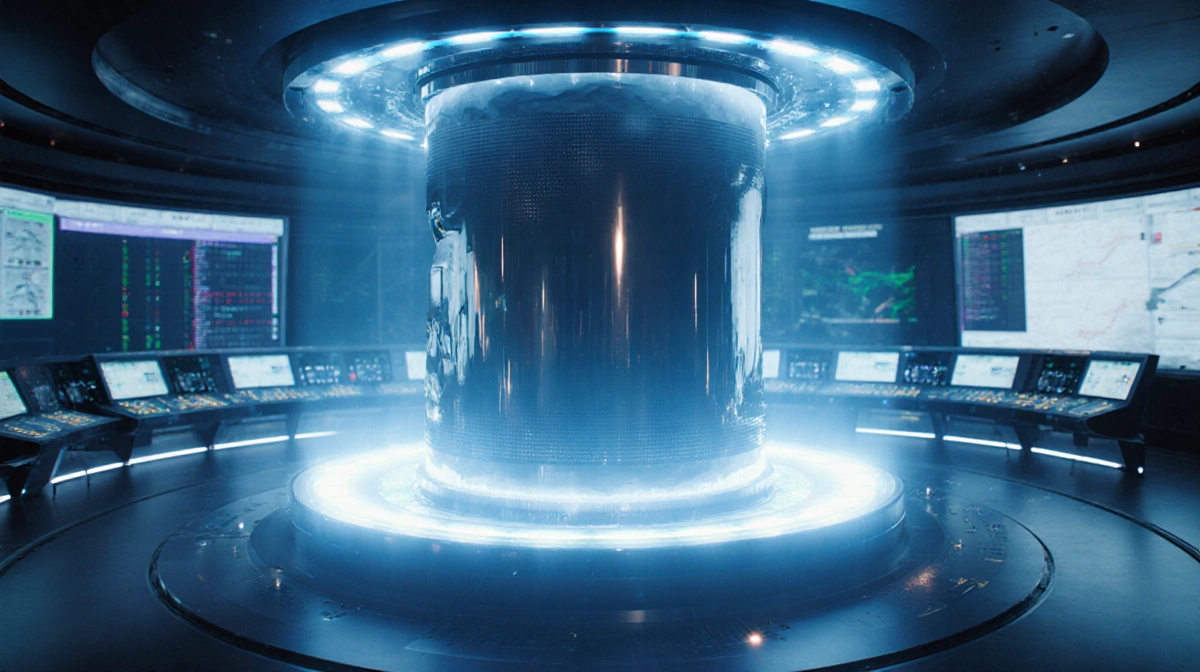
Commonwealth Fusion Systems (CFS) took a literal heavyweight step toward commercial fusion on Tuesday, sliding the first 24-ton magnet into place inside its Sparc demonstration reactor. The installation kicks off a summer-long race to lock 18 identical magnets into a doughnut-shaped array that the company hopes will heat and squeeze plasma until it releases more electricity-making energy than it consumes.
The Magnet Milestone
Sparc’s first magnet now rests on a 24-foot-wide, 75-ton stainless-steel cryostat that was lowered into the machine last March. Chilled to -253 °C so it can safely carry more than 30,000 amps, each coil will generate a 20-tesla magnetic field-strong enough, CEO Bob Mumgaard joked, “to lift an aircraft carrier.”
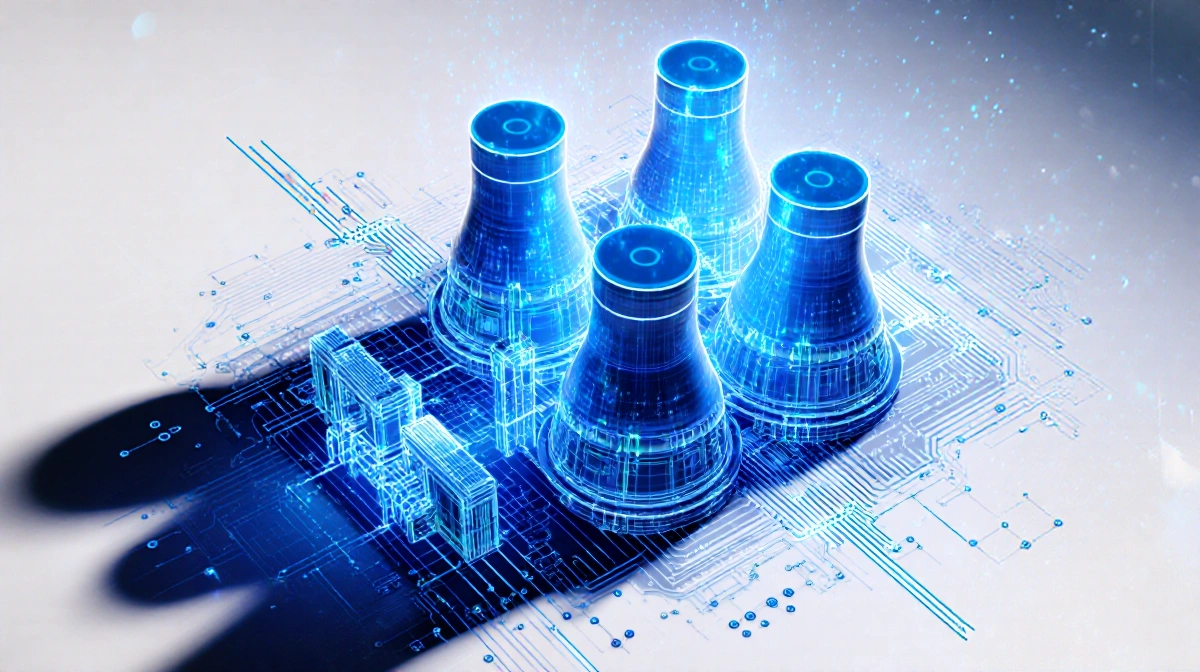
- 18 total magnets will be installed by late summer
- Each weighs 24 tons
- Final array will form a D-shaped torus around 100-million-degree plasma
Digital Twin Partnership
Before flipping Sparc’s on-switch in 2027, CFS is building a living digital copy with help from Nvidia and Siemens. Siemens will supply plant-wide design data; Nvidia’s Omniverse libraries will knit that data into a real-time simulation Mumgaard calls “the machine’s shadow.”
> Bob Mumgaard explained:
> “These are no longer isolated simulations used only for design. They’ll run alongside the physical thing so we can learn even faster.”
Engineers plan to test parameter tweaks or maintenance schedules in the twin before risking the real hardware.
Funding and Timeline
CFS has raised nearly $3 billion, including an $863 million Series B2 last August backed by Nvidia, Google, and roughly 35 other investors. The cash funds both Sparc and a follow-on commercial plant called Arc, which the company admits will cost “several billion dollars” more.
| Milestone | Target Date | Status |
|---|---|---|
| All 18 magnets installed | End of summer 2026 | Underway |
| Sparc first plasma | 2027 | Planned |
| First power to grid | Early 2030s | Goal |
Key Takeaways
- First of 18 giant magnets now in place inside Sparc
- Digital twin will shadow the reactor to speed learning
- Nearly $3 billion raised for the program so far
- Commercial electricity production targeted for early 2030s
If Sparc hits net energy gain, CFS believes fusion could move from decades of promise to a grid-ready, carbon-free power source that looks and operates much like today’s conventional plants.