
Las Vegas just emptied out after CES 2026, and this year’s buzzwords were “physical AI” and “robots everywhere.” From Nvidia’s next-gen chips to Lego’s first-ever smart bricks, here’s what mattered.
At a Glance
- Physical AI replaced last year’s agentic AI as the show’s hot topic
- Nvidia unveiled its Rubin architecture and Alpamayo open-source models for self-driving cars
- Ford, Caterpillar, Boston Dynamics, and Amazon all pushed real-world AI hardware
- Why it matters: The tech industry is racing to move AI off the cloud and into the physical objects you touch every day
The Strip’s convention halls brimmed with humanoids, home bots, and enough silicon to remake every gadget in your life. News Of Philadelphia‘s team on the floor logged the hits, the misses, and the just-plain-weird.
The Big Stage
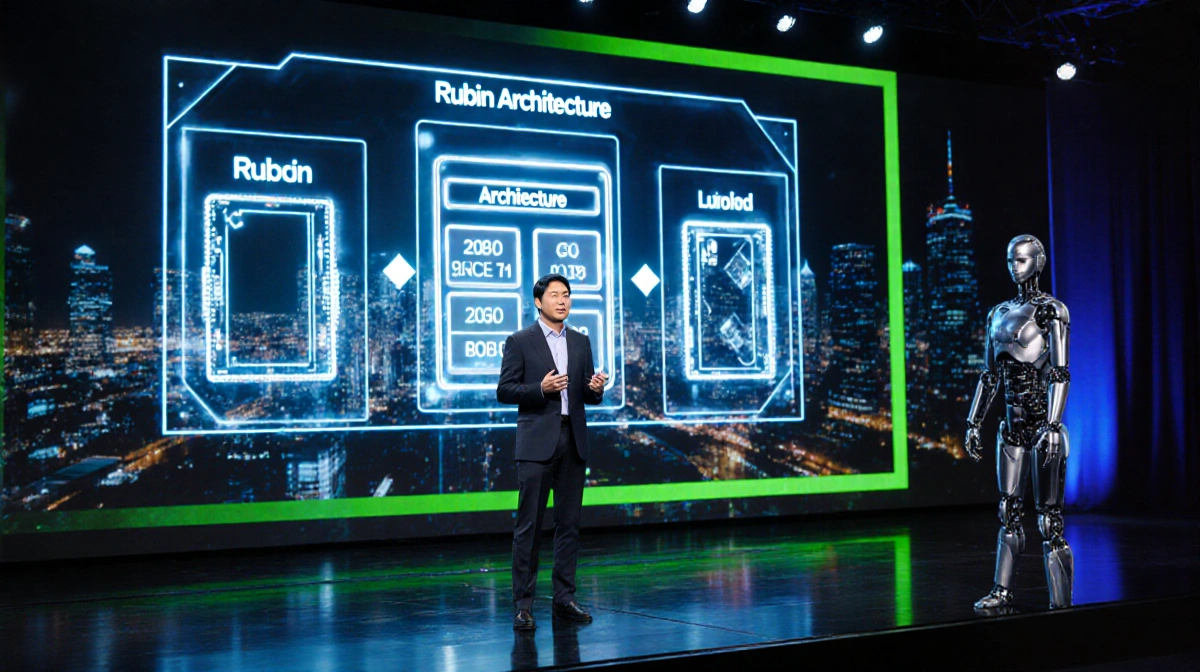
Nvidia CEO Jensen Huang used his keynote to debut Rubin, the architecture that will replace today’s Blackwell chips in late 2026. He also showed off Alpamayo, a family of open models car makers will drop into autonomous vehicles this year.
AMD chair Lisa Su countered with Ryzen AI 400 Series laptop CPUs and a parade of partners-OpenAI president Greg Brockman, AI pioneer Fei-Fei Li, and Luma AI CEO Amit Jain-promising to spread AI from data centers to desktops.
Robots in the Wild
Caterpillar and Nvidia demoed the Cat AI Assistant pilot on an excavator, pairing it with Omniverse simulations for construction planning. Boston Dynamics and Google revealed they’re training Atlas humanoids together, previewing a new version on Hyundai’s stage.
Ford’s unnamed AI assistant will live first in the Ford mobile app-Google Cloud-hosted, built on off-the-shelf LLMs-before landing in 2027-model vehicles.
Oddities That Turned Heads
- Clicks Communicator-a $499 Android phone with a BlackBerry-style keyboard and an optional $79 slide-out board for other devices
- eufyMake E1-a $2,299 desktop UV printer that etches color directly onto mugs, bottles, or phone cases
- Lego Smart Bricks-Star-Wars-themed sets that talk, light up, and interact via a new Smart Play System (behind closed doors)
LG’s home robot CLOiD drew yawns after slowly moving a shirt into a dryer and a croissant into an oven. Razer teased Project AVA, a desk-bound AI avatar, and Project Motoko, smart-glasses tech minus the glasses.
Services & Side Quests
- MyCommuters uses commute data to recommend optimal office sites for companies and staff
- Skylight Calendar 2 syncs family calendars and auto-creates to-dos from messages or photos
- Amazon expanded Alexa+ to browsers via Alexa.com and revamped Fire TV and Artline TVs with deeper voice integration
- Ring got a third-party app store, fire-alert features, and smarter camera hooks
Key Takeaways
- Rubin chips arrive in late 2026, promising big speed and memory gains for AI workloads
- Automakers and heavy-equipment firms are moving from AI pilots to real products this year
- Expect more talking toys, printers, and home bots as component costs drop
- Alexa+ and Ring’s new tricks show Amazon betting the smart home will be AI-first
Hardware isn’t dead-it’s just getting a brain transplant. As the last taxis left McCarran, the industry’s next mission is clear: shove AI into everything that moves, prints, or blinks.