

> At a Glance
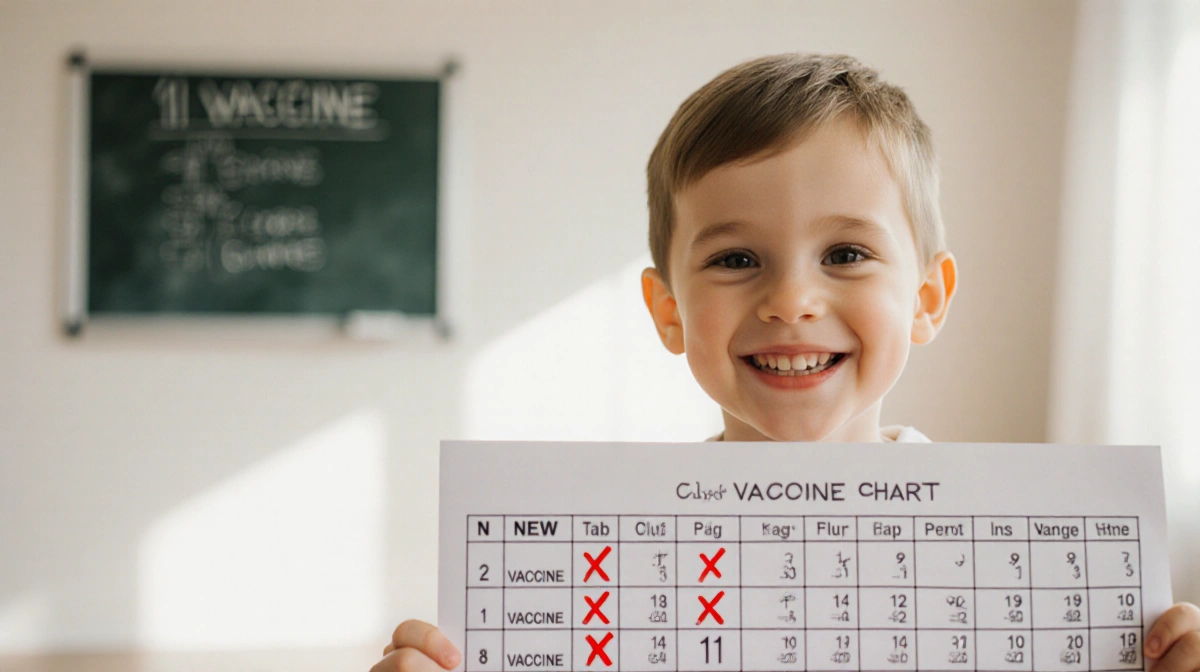
> – The CDC now recommends 11 childhood vaccines, down from 18 last year
> – Flu, COVID-19, Hepatitis A & B, and rotavirus shots are no longer universal
> – Major medical groups vow to keep recommending the dropped shots
> – Why it matters: Fewer recommended vaccines could fuel outbreaks and complicate pediatric visits
The nation’s childhood vaccine schedule shrank overnight after federal officials responded to a White House order to align U.S. guidance with peer countries. Pediatricians say the move invites confusion and puts kids at risk just as measles and whooping cough cases climb.
What Changed

Effective immediately, the CDC demoted seven previously routine shots to “shared decision-making” status. They remain advised only for high-risk children or at a doctor’s discretion.
- Flu
- Hepatitis A
- Hepatitis B
- Meningococcal disease
- Rotavirus
- RSV
- COVID-19 (shifted in 2025)
What Stayed the Same
Nine vaccines stayed on the universal list:
- MMR (measles, mumps, rubella)
- DTaP (diphtheria, tetanus, pertussis)
- Polio
- Chickenpox
- HPV-now one dose instead of two or three
- Hib
- PCV (pneumococcal)
Why Officials Made the Switch
The Department of Health and Human Services says President Trump requested a review in December. Comparing the U.S. with 20 peer nations, officials concluded America was an “outlier” in both shots and doses. They argue trimming the list will bolster public trust by focusing on “the most important” vaccines.
Doctors Push Back
Leading medical groups, including the American Academy of Pediatrics and the American Medical Association, will keep recommending the dropped vaccines. They cite no new safety data and warn the rollback arrives amid slipping vaccination rates and rising exemptions.
Dr. Sean O’Leary of the AAP cautioned:
> “These changes could lead to more illness and death from preventable disease.”
He highlighted flu season’s severity and last winter’s surge as reasons to maintain universal flu shots for children.
What Families Might Notice
- Insurance will still cover the demoted vaccines if parents choose them
- State school-entry rules-which vary-won’t automatically change
- Pediatric visits could involve longer conversations as official guidance diverges from clinical practice
Key Takeaways
- CDC childhood vaccine tally drops from 18 to 11 overnight
- Seven shots move to risk-based or shared-decision status, including flu and COVID-19
- Major doctors’ groups reject the shift and will keep advising full schedule
- Coverage remains, but uptake may fall, raising outbreak risks
The federal pivot sets up a real-time test of whether fewer official recommendations will rebuild trust-or fuel further decline in childhood immunizations.