
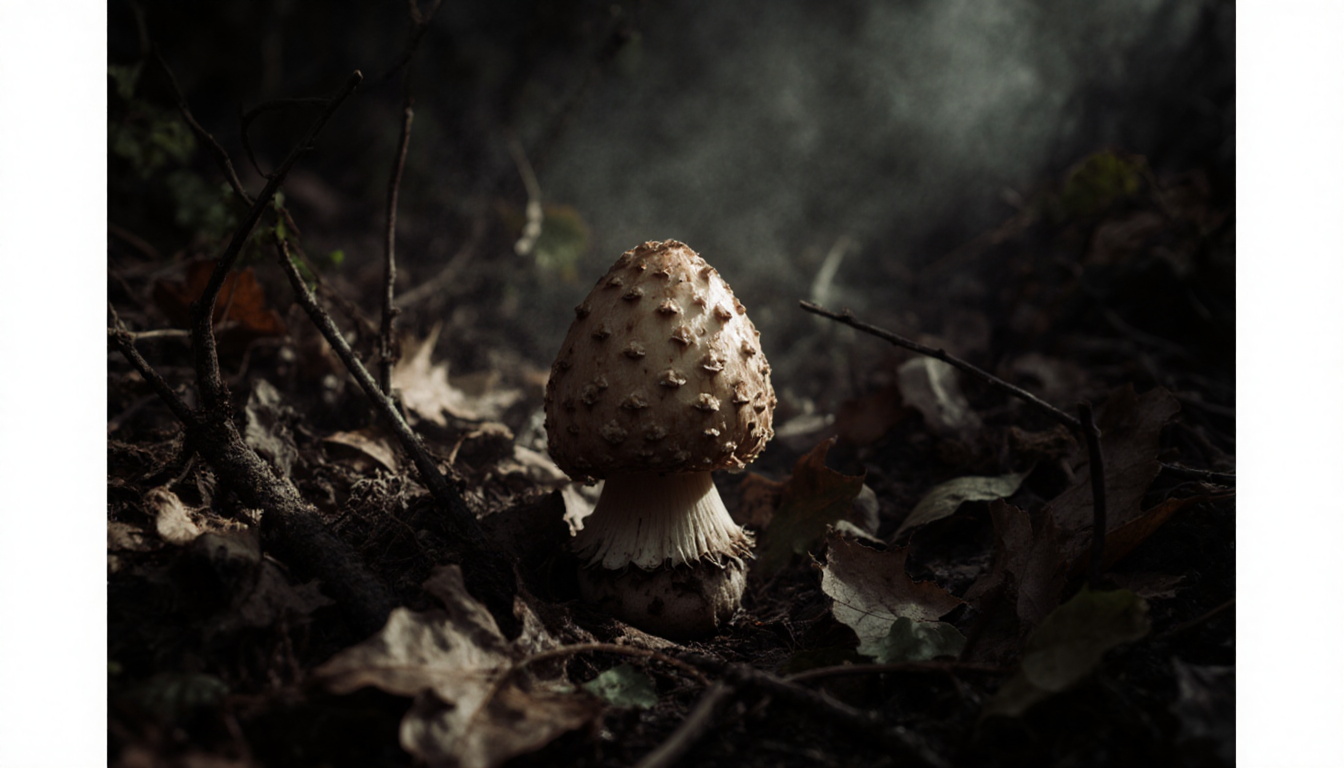

California officials are sounding an alarm after a wave of poisonings linked to wild mushrooms has taken a deadly toll.
21 Cases of Amatoxin Poisoning
The state poison control system has identified 21 cases of amatoxin poisoning, the toxin most often associated with the death cap mushroom. The health department released the data on Friday, noting that the incidents are believed to stem from the death cap mushroom.
One adult has died, and several other patients have required intensive care, with at least one possibly needing a liver transplant. The deaths and severe liver damage have prompted officials to issue a clear warning: avoid foraging for wild mushrooms altogether during this high‑risk season.
> “Death cap mushrooms contain potentially deadly toxins that can lead to liver failure,” Erica Pan, director of the California Department of Public Health, said in a statement. “Because the death cap can easily be mistaken for edible safe mushrooms, we advise the public not to forage for wild mushrooms at all during this high‑risk season.”
Wet Weather Fuels Growth
Rainy conditions are a major factor in the proliferation of death cap mushrooms. The fungi thrive in damp environments, and the recent wet weather has spurred their rapid growth across the state. Residents who have eaten mushrooms found in parks or other outdoor settings have fallen ill.
Central California’s Monterey County reported a cluster of cases after people ate mushrooms collected from a local park. Similar clusters were also identified in the San Francisco Bay Area, though state health officials emphasize that the risk exists throughout California.
Exposure Data and Vulnerable Populations
The National Poison Data System’s 2023 annual report recorded more than 4,500 cases of exposure to unidentified mushrooms in the United States. Roughly half of those exposures involved young children, who may inadvertently pick and eat a mushroom while playing outside.
California’s poison control hotline, 1‑800‑222‑1222, is available for anyone seeking guidance on diagnosing or treating mushroom poisoning. The system advises that symptoms such as stomach cramping, nausea, diarrhea, or vomiting can appear within 24 hours of ingestion. Even if gastrointestinal symptoms improve, patients can still develop serious complications, including liver damage, that surface later.
Other Notable Incidents
In a separate, unrelated case, an Australian woman has been charged with murder after serving poisonous mushrooms to her ex‑husband’s parents and aunt. The incident highlights the broader dangers associated with misidentifying or intentionally using toxic fungi.
Key Takeaways
- California reports 21 amatoxin poisoning cases from death cap mushrooms, one death and liver damage; officials urge no wild mushroom foraging season.
- Wet weather has accelerated the growth of toxic mushrooms, leading to clusters of illness in Monterey County and the Bay Area.
- Over 4,500 mushroom exposure cases were logged nationwide in 2023, with children accounting for about half.
California’s public health officials urge residents to heed the warning and avoid all wild mushroom foraging during this high‑risk period. The state’s poison control hotline remains a vital resource for anyone who suspects mushroom poisoning or needs medical advice.
The outbreak serves as a stark reminder of the potential dangers lurking in natural environments and the importance of public awareness and caution when foraging for food in the wild.