


At a Glance
- The drug-resistant fungus Candida auris now appears in over 50 countries.
- The United States recorded more than 4,500 cases in 2023, with a 33% mortality rate among hospitalized patients.
- Climate-driven temperature shifts may have triggered its emergence.
- Why it matters: Hospitals worldwide face a hard-to-treat infection that could spread to vulnerable patients.
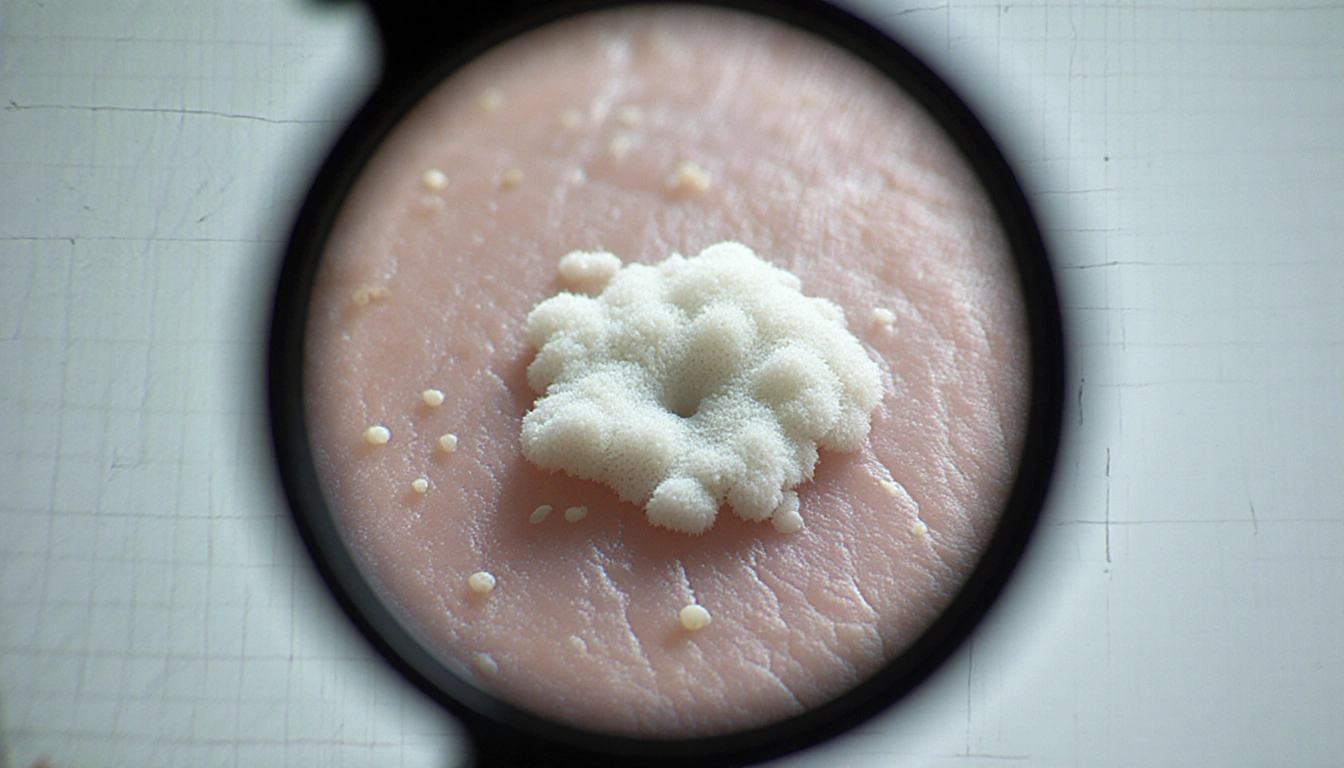
A deadly fungus that first surfaced in a Japanese patient’s ear in 2009 is now a global threat. The recent literature review, published in Microbiology and Molecular Biology Reviews, charts its rapid spread and mounting danger to public health.
A Rising Global Threat
The review documents outbreaks in more than 50 countries and at least 39 U.S. states. In 2023 alone, U.S. health facilities reported 4,500+ cases of the pathogen.
- First identified in 2009 in Japan.
- Documented in over 50 countries worldwide.
- Reported in 39 U.S. states.
- 2023 U.S. cases exceeded 4,500.
Why C. auris Is So Dangerous
The fungus can silently colonize skin and, in immunocompromised individuals, trigger life-threatening infections. It resists many antifungals, including pan-resistant strains that defeat all four major drug classes, and routine tests often misidentify it as other Candida species.
- Colonizes skin without symptoms.
- About 33% of hospitalized patients die from infection.
- Bloodstream infection mortality reaches nearly 50%.
- Pan-resistant strains exist.
- Conventional tests misidentify the pathogen.
Hope on the Horizon
Researchers are developing new antifungal agents, with three promising drugs nearing approval. In 2023, the FDA approved Rezafungin for invasive Candida infections, and vaccine research shows potential to protect against a broad range of fungal pathogens.
Neeraj Chauhan told News Of Philadelphia:
> “My laboratory investigates how fungal pathogens interact with the host to drive infection, with the goal of uncovering the molecular mechanisms that enable these organisms to cause disease.”
> “The long-term goal of research is to guide the development of new strategies for diagnosing, preventing, and treating drug-resistant fungal infections.”
| Metric | Value |
|---|---|
| First discovered | 2009 |
| Global countries | >50 |
| U.S. states | 39 |
| 2023 U.S. cases | >4,500 |
Key Takeaways
- Candida auris is a drug-resistant fungus now in over 50 countries.
- The U.S. saw more than 4,500 cases in 2023, with a 33% mortality rate.
- Climate change may have enabled the pathogen’s rise, while new drugs and vaccines offer hope.
The growing threat of C. auris underscores the need for better diagnostics, treatments, and global surveillance to protect patients worldwide.