
Bucks County residents will see higher property tax bills soon.
The increase comes after a Board vote that took place on a Wednesday.
Background
On Wednesday, the Bucks County Board of Commissioners voted 2-1 to increase property taxes by 8% during a meeting.
The vote was part of the county’s efforts to address a financial shortfall.
The 8% increase was approved during a regular Board meeting held on a Wednesday.
The decision was made in response to a $16.4 million deficit that appears in the county’s $516 million operating budget.
The $16.4 million deficit represents the shortfall between projected revenue and planned expenditures for the county.
The operating budget totals $516 million, covering all county services for the fiscal year.
The vote was split along party lines, with Democrats Bob Harvie and Diane Ellis‑Marseglia supporting the increase.
Republican Gene DiGirolamo opposed the hike, voting against the measure.
The 2-1 margin shows how closely divided the Board is on fiscal matters.
The narrow decision reflects differing views on how to manage the county’s finances.
Impact on Residents
The 8% increase means that residents across Bucks County will pay more for property taxes starting in the next tax cycle.
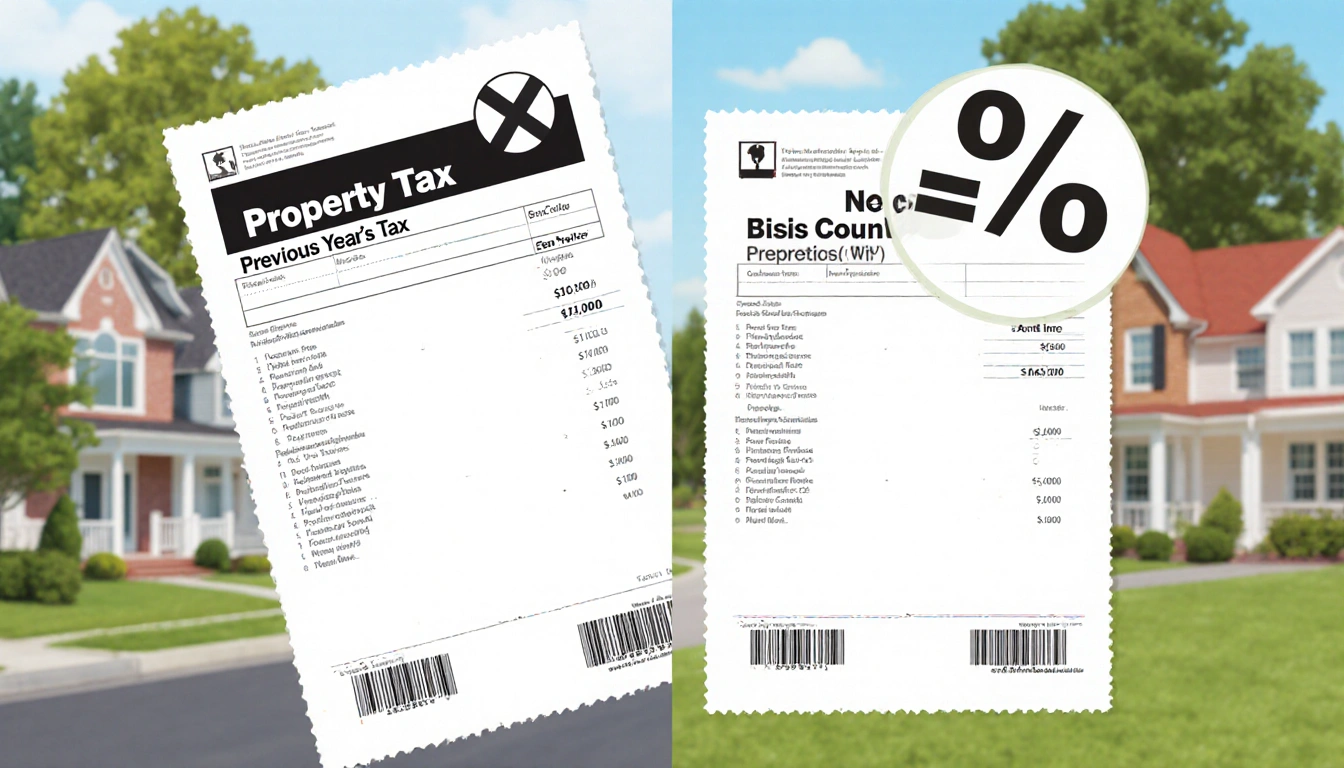
Property tax bills will rise by the amount of the increase, compared to the previous year.
Homeowners will see the higher tax amount reflected on their next tax bill.
The change will affect the annual amount each homeowner owes for property taxes.
Effective Date
The tax increase will take effect in January 2026, aligning with the beginning of the county’s fiscal year.
All property owners will see the new rates reflected on their bills beginning with the January 2026 tax assessment.
The new rates will be applied to all property assessments starting with the January 2026 cycle.
The January assessment will set the tax rates for the following fiscal year.
Key Takeaways
- Bucks County Board approves 8% property tax hike.
- Vote passed 2-1, Democrats in favor, Republican against.
- Increase aims to close a $16.4M deficit in a $516M budget.
- Effectiveness begins January 2026, raising residents’ bills.
- The increase is a direct response to the identified budget deficit.
Conclusion
The decision will affect property tax bills for residents.
Property owners should review their upcoming tax statements to understand how the 8% increase will affect their finances.
Homeowners should compare their current tax bill to the projected increase to gauge the impact.
The change will take effect at the start of the new fiscal year in 2026.
Residents can anticipate higher property tax bills beginning in 2026, and should plan accordingly.