

At a Glance
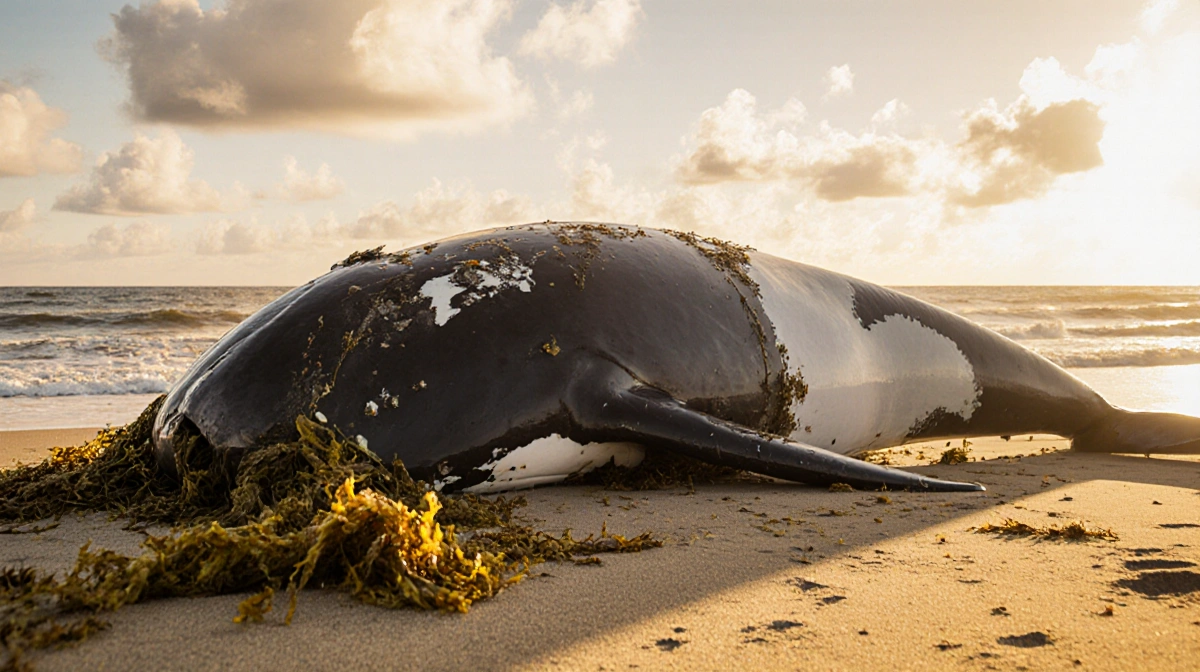
- A 32-foot, 20,000-pound humpback whale washed ashore on Bethany Beach
- The whale suffered a shattered jaw, likely from a ship strike
- The whale was well-known to watchers along the New York and Cape Cod coasts
- Why it matters: Collisions with large vessels remain a deadly threat to endangered whales, even where laws try to prevent them
A humpback whale that delighted whale-watchers from New York to Cape Cod was found dead on Bethany Beach this week, its jaw shattered in what experts believe was a fatal collision with a ship.
The 32-foot, 20,000-pound adult was buried under the sand after members of the Marine Education Research and Rehabilitation Institute, a Delaware non-profit, documented its injuries. Among the most severe: a shattered jaw consistent with blunt-force trauma from a vessel.
A Familiar Face Lost
Whale-watching crews recognized the animal immediately. Over the summer, Hyannis Whale Watcher Cruises had photographed the humpback during trips off Massachusetts.
“Even just that one day made this whale so memorable to us,” a naturalist with the company told News Of Philadelphia. The whale’s unique black-and-white tail pattern-a black fluke with a single white patch-made identification simple.
The same whale had been a regular along the New York Bight before moving north to Cape Cod waters. Observers there say the animal was part of a group seen almost every season.
Ship Strikes and the Law
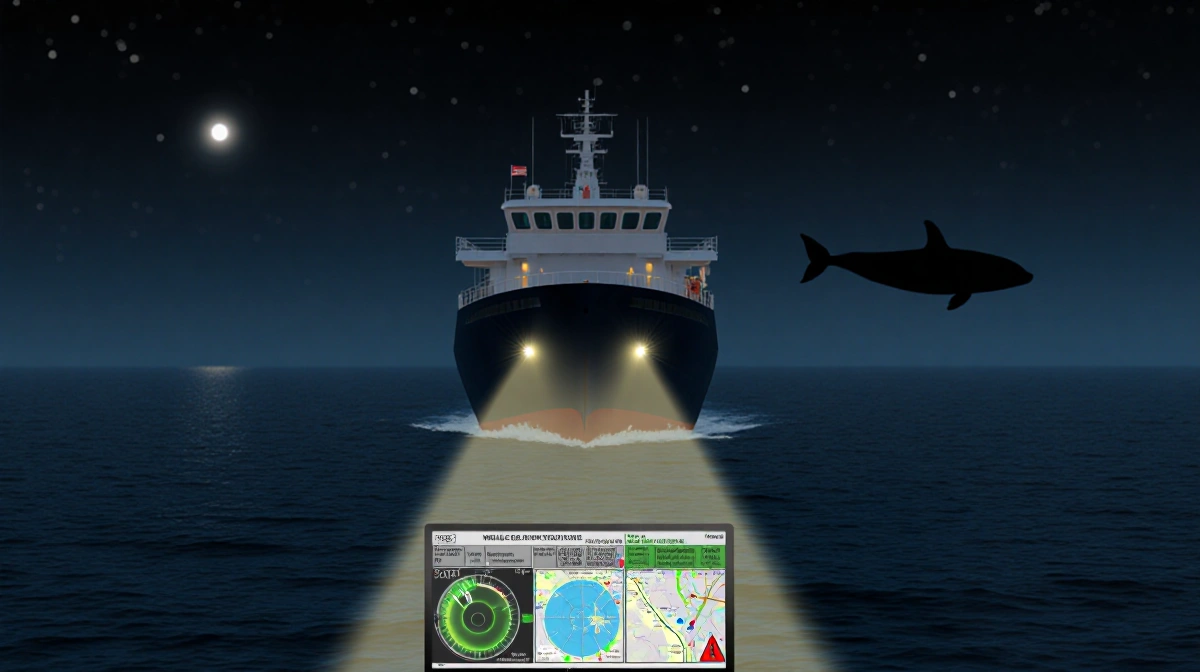
Federal rules require large vessels to slow down or change course in certain whale-heavy zones, especially at night or in poor visibility. Enforcement, however, is spotty and the animals can surface without warning.
“It would be almost impossible for a ship to spot a whale and stop quickly enough to avoid it,” Olivia Bennett Harris reported, noting that even compliant captains have little reaction time once a whale appears in front of the bow.
Emotional Toll on Researchers
For those who track individual whales, each death carries personal weight. Naturalists keep photo logs of tail patterns, scars and behaviors, turning scientific data into long-term relationships.
“There are a lot of individual whales that we see year after year that we really come to know and love,” the Hyannis naturalist said. “To lose one-especially in such a violent way-feels like torture.”
Local reaction mirrored that sentiment. Within hours of the stranding, beachgoers posted photos and memories of the whale on social media, many unaware until now that the same animal had been entertaining watchers hundreds of miles away.
Next Steps
The buried carcass will remain on the beach; federal guidelines allow in-situ burial when carcasses cannot be moved. The Marine Education Research and Rehabilitation Institute has forwarded its necropsy notes to NOAA Fisheries, which maintains the national database on whale ship strikes.
No fines or penalties have been announced; investigators have not identified the vessel involved.
Key Takeaways
- A well-known humpback, recognizable by its tail pattern, died after what experts call a classic ship-strike injury
- Despite protective regulations, collisions remain a leading cause of death for large whales along the busy U.S. East Coast
- Researchers emphasize that every loss reduces genetic diversity and removes familiar individuals from tightly knit feeding groups