
At a Glance
- The Better Business Bureau warns of a spike in fake GLP-1 drug offers using deepfakes of Oprah Winfrey and other stars
- Victims report losing over $300 on phony products after seeing AI-generated celebrity endorsements
- Scams include fake pharmacies, urgent texts claiming prescription approval, and collection threats for nonexistent subscriptions
- Why it matters: Consumers chasing cheaper versions of high-cost medications like Ozempic and Mounjaro risk paying for pills that never arrive or may contain unsafe ingredients
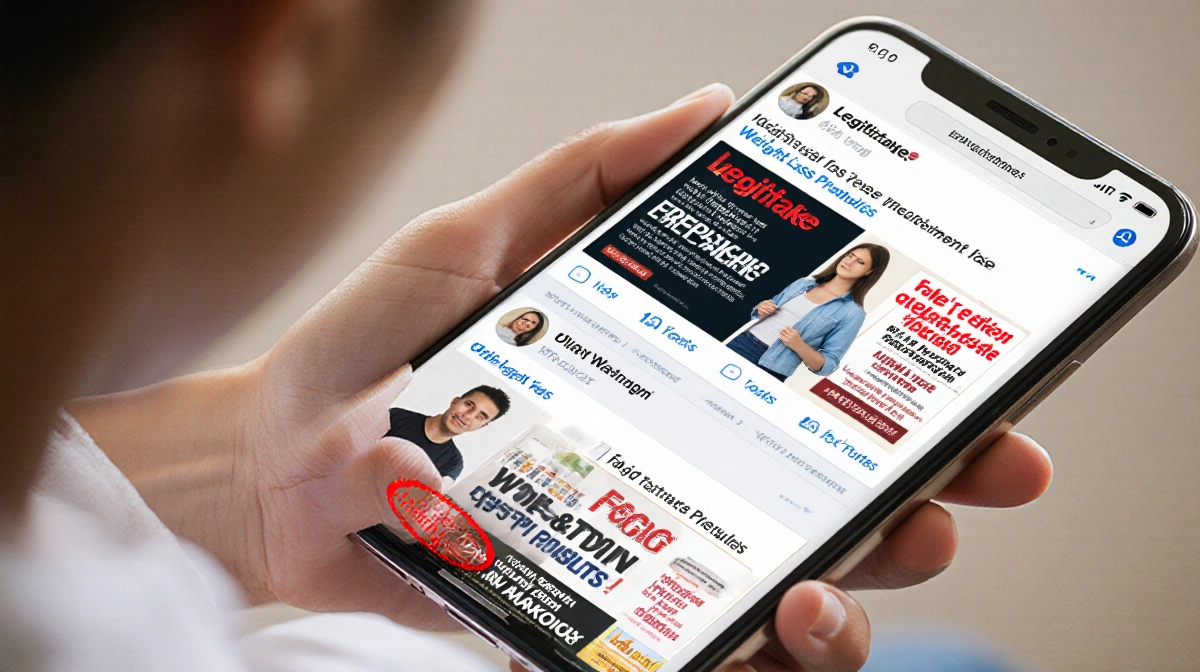
The booming demand for weight-loss medications has created a fertile hunting ground for scammers pushing counterfeit GLP-1 drugs through deepfake celebrity videos, phony online pharmacies, and threatening phone calls, according to a new alert from the Better Business Bureau.
The bureau reports a troubling trend of fraudsters exploiting both the high price of FDA-approved injections and the New Year’s surge in fitness resolutions. Their tactics range from AI-generated clips that appear to show Oprah Winfrey promoting a pink-salt drink to text messages claiming consumers have been pre-approved for prescription treatments.
Deepfake Endorsements Rope in Hundreds of Complainants
One of the most common schemes involves synthetic videos that falsely suggest A-list celebrities back unregulated products. In a single campaign for a drink called Lipomax, the BBB collected more than 170 complaints from shoppers who spent upwards of $300 after watching a deepfake of Oprah Winfrey praise the so-called natural remedy.
“Every week, my lawyers and I are playing whack-a-mole with fake AI videos of me selling everything from gummies to pink salt,” Winfrey wrote in 2025. “If you see an ad with my face on a ‘PRODUCT,’ it’s fake.”
When buyers tried to secure refunds, the listed support email bounced back as non-existent, the bureau said. Winfrey has no connection to Lipomax, and the company told the BBB it does not produce or endorse the AI clips circulating online.
Other variations include:
- Fabricated doctor presentations touting weight-loss liquids
- Online seminars promoting a pink-salt trick as a clinically proven shortcut
- Fake testimonials attributed to medical professionals who never recorded the footage
Urgent Messages Push Victims to Bogus Portals
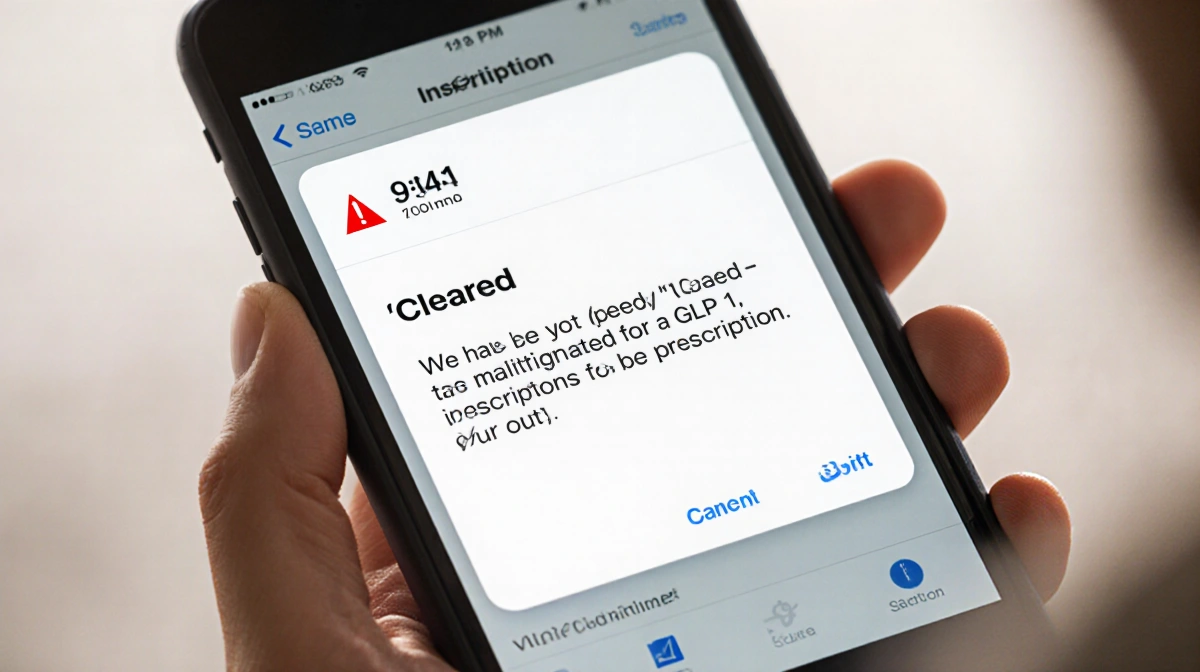
A second widespread con starts with a text, email, or phone call announcing that a consumer has been cleared for a GLP-1 prescription or enrolled in a discounted program. The messages create a sense of urgency:
- One recipient heard from Laura at WellnessCare, claiming a doctor had already signed off on GLP-1 shots and that treatment could begin immediately
- Another caller demanded $800 for a subscription the person never purchased, threatening to send the balance to collections if payment wasn’t made on the spot
Both approaches steer victims to fraudulent websites designed to harvest credit-card numbers or install malware, the BBB found.
Knock-Off Red Flags: Pills, Patches, and Too-Good Pricing
Because FDA-approved GLP-1 drugs such as Ozempic, Mounjaro, and Wegovy are delivered either by injection or, in Wegovy’s case, a prescription pill, any product marketed as an oral liquid, patch, or herbal capsule is almost certainly fake. Scammers rely on the $900-$1,300 monthly price tag of legitimate medicine to make steeply discounted counterfeits look attractive.
Serena Williams, a paid spokesperson for healthcare company Ro, recently described her own postpartum experience with a GLP-1 medication in an interview with Access Hollywood. Fraudsters quickly repurposed her image into unauthorized promotions, much like the fabricated Oprah ads.
How to Verify Before You Buy
According to News Of Philadelphia‘s breakdown of BBB guidance, consumers can protect themselves by following four quick checks:
- Confirm administration method: Only injections and the Wegovy pill are FDA-approved; liquids, patches, or gummies are red flags
- Validate online pharmacies: Use the Safe Pharmacy website to confirm a seller is licensed and located in the United States
- Inspect ingredients: Cross-reference product components on the FDA’s database to ensure they’re approved for human use
- Speak with a physician: Discuss any weight-loss drug-brand-name or compound-before ordering
NBC News sought comment from Lipomax without receiving a response.
Key Takeaways
- Deepfake technology is fueling a surge in fake celebrity-backed weight-loss offers
- Victims lose hundreds of dollars and receive no product, or worse, pills with unknown ingredients
- Simple verification steps-checking pharmacy credentials, reviewing FDA listings, and consulting a doctor-can prevent most losses
- Any unsolicited message claiming urgent eligibility for pricey GLP-1 drugs should be treated as a likely scam