

At a Glance
- Researchers from Austria and Japan exploit superradiance to produce powerful, long-lasting microwave signals.
- The discovery was reported in Nature Physics and could impact medicine, navigation, and quantum communication.
- Superradiance, once a nuisance, is now harnessed to create coherent microwave pulses.
- Why it matters: the technique could enable ultra-precise clocks, communication links, and sensitive field sensors.
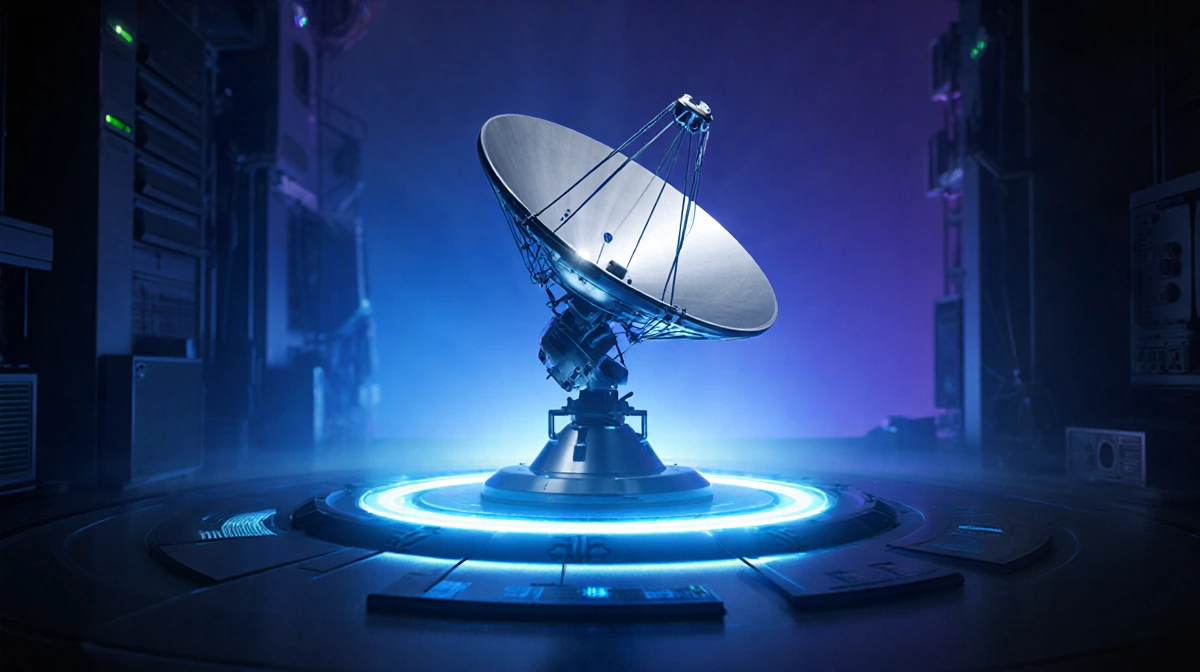
Researchers in Austria and Japan have turned a quantum nuisance into a practical tool, using superradiance to generate powerful, long-lasting microwave pulses that could transform quantum technology.
Harnessing Superradiance
Superradiance occurs when excited atoms become entangled after interacting with a light source, producing a short, intense burst of light. Scientists have long viewed it as a challenge that destabilizes quantum systems. The new study shows that, with the right approach, this effect can be harnessed to create coherent microwave signals.
Robert Dicke was the first to propose the concept in 1954.
Kae Nemoto stated:
> “This discovery changes how we think about the quantum world.”
Kae Nemoto added:
> “That shift opens entirely new directions for quantum technologies.”
The Experiment
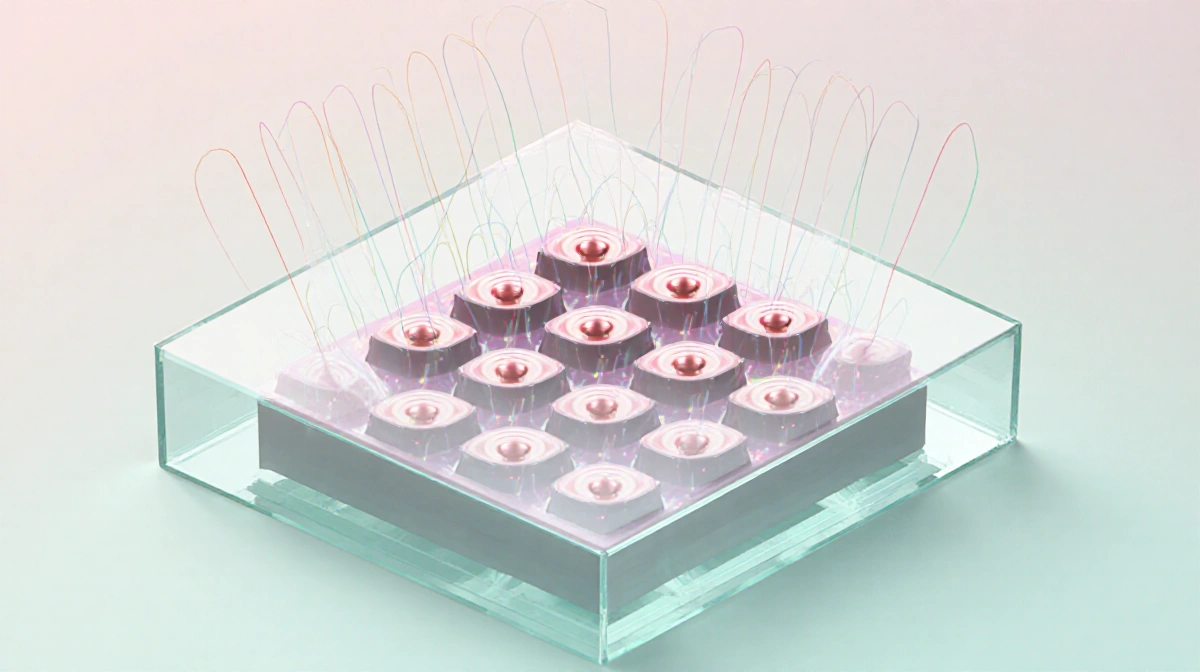
The team trapped tiny atomic defects inside a microwave cavity. The cavity contained tiny chambers with electron spins that acted as miniature magnets representing quantum states. By observing the system over time and running extensive computer simulations, they uncovered a train of narrow, long-lasting microwave pulses that followed a superradiant burst.
Wenzel Kersten said:
> “The system organizes itself, producing an extremely coherent microwave signal from the very disorder that usually destroys it.”
Potential Applications
- Ultra-precise clocks
- High-bandwidth communication links
- Highly sensitive magnetic or electric field sensors
Key Takeaways
- Superradiance can be turned into a source of powerful, long-lasting microwave pulses.
- The new method opens possibilities for quantum clocks, communication, and sensing devices.
- Researchers from Austria and Japan demonstrated the effect in a laboratory setting.
This breakthrough could lead to practical quantum technologies that were previously hampered by superradiance.