

At a Glance
- Researchers pinpoint olivine-spinel asteroids as best mining targets.
- Study analyzed 28 meteorite samples over a decade.
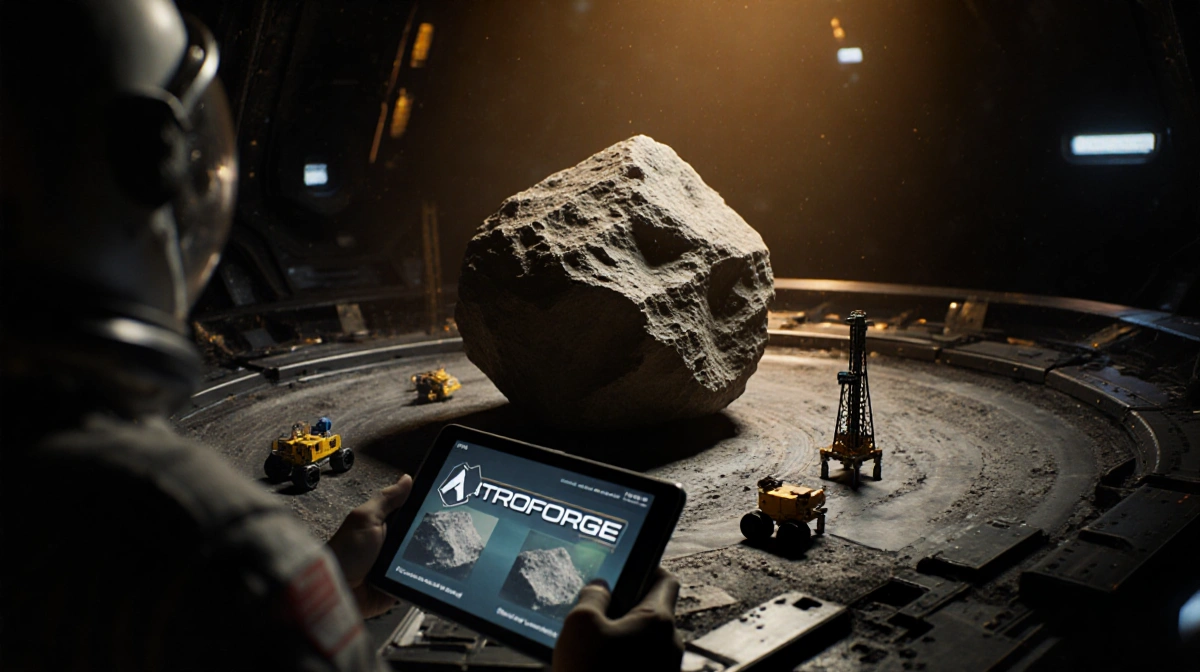
- Startup AstroForge lost contact with its April 2023 orbit-refining mission.
Why it matters: It narrows the search for profitable asteroid mining and informs future space-startup strategies.
A decade-long study by Spain’s Institute of Space Sciences has identified a specific class of carbon-rich asteroids that could hold the most valuable minerals for future mining ventures. The research, published in the Monthly Notices of the Royal Astronomical Society, zeroes in on asteroids rich in olivine and spinel. These minerals are linked to iron, nickel, gold, platinum, and rare-earth elements.
Why Olivine-Spinel Asteroids Matter
The team analyzed 28 meteorite samples and determined the chemical makeup of 6 types of carbonaceous chondrites-meteorites rich in carbon, water, and organic compounds. Olivine and spinel were found in the most abundant form, indicating a higher concentration of valuable metals. These findings suggest that such asteroids could be prime targets for future mining missions.
Current Space-Mining Landscape
NASA’s OSIRIS-REx mission proved that material can be extracted and returned to Earth, but scaling up would need advanced propulsion, in-orbit refining, and large-scale reentry technologies that remain untested. California-based AstroForge launched a mission in April 2023 to demonstrate orbit-refining, but the company lost contact with its spacecraft. These efforts highlight the technical challenges that must be overcome for commercial asteroid mining.
Key Findings and Implications
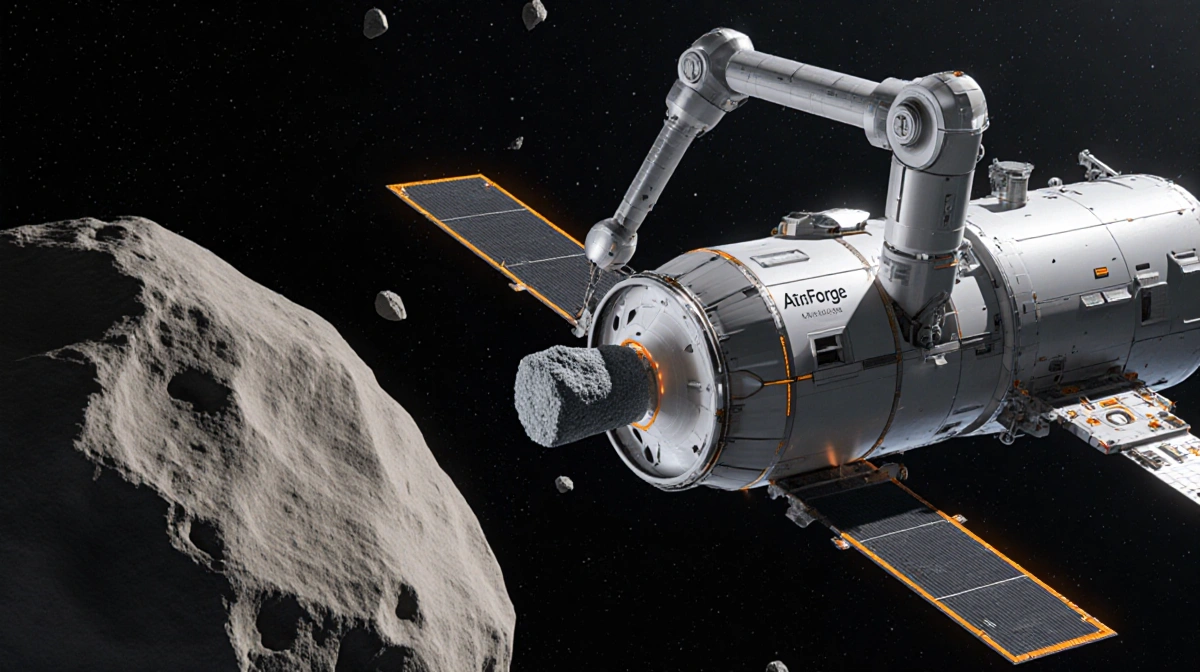
The researchers noted that most asteroids contain relatively small abundances of precious elements, prompting the question of viability.
Pau Grèbol Tomás said:
> “It sounds like science fiction, but it also seemed like science fiction when the first sample return missions were being planned thirty years ago,”
Josep M. Trigo-Rodríguez said:
> “The scientific interest in each of these meteorites is that they sample small, undifferentiated asteroids, and provide valuable information on the chemical composition and evolutionary history of the bodies from which they originate,”
Pau Grèbol Tomás added:
> “Most asteroids have relatively small abundances of precious elements, and therefore the objective of our study has been to understand to what extent their extraction would be viable,”
| Mineral | Associated Elements | Mining Value |
|---|---|---|
| Olivine | Iron, Nickel | High |
| Spinel | Gold, Platinum, Rare Earths | High |
Key Takeaways
- Olivine-spinel asteroids are prime targets for mining due to their rich metal content.
- The study analyzed 28 meteorite samples across six chondrite types.
- Startup AstroForge’s 2023 mission loss underscores the technical hurdles of asteroid mining.
The study narrows the field of promising asteroid targets, guiding future investment and technological development in space mining.