
At a Glance
- Amazon CEO Andy Jassy says tariffs are pushing prices higher.
- Inventory shortages ran out last fall, tightening supply.
- Consumers remain resilient, shifting to cheaper items.
- Date: January 20, 2026.
- Why it matters: Amazon’s pricing strategy reflects broader trade-policy impacts on e-commerce.
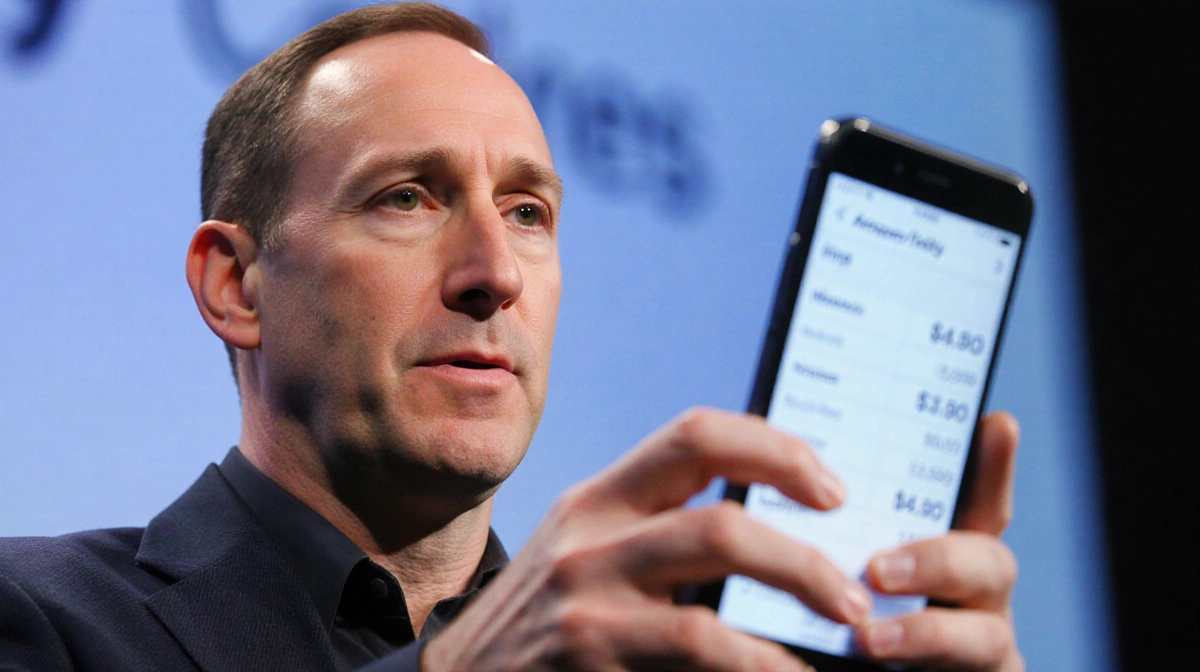
Amazon CEO Andy Jassy revealed that the company is feeling the impact of President Donald Trump‘s tariffs, as inventory shortages push prices higher. The shift marks a departure from last year, when Jassy said prices had not risen after the tariffs were announced. The changes are already visible to shoppers.
Jassy told CNBC that Amazon and many third-party sellers stocked up on inventory ahead of the tariffs to keep prices low. The strategy relied on a surplus that was expected to last until the new duties took effect. However, that surplus ran out last fall, tightening the supply chain.
Jassy explained that tariffs are now creeping into some prices. He noted that sellers are choosing between passing on costs, absorbing them to drive demand, or finding a middle ground. The result is a gradual rise in prices for certain items.
Some sellers absorb the higher costs to maintain sales volume, accepting thinner margins. Others pass the full burden onto shoppers, raising prices to preserve profitability. A third group blends the two strategies, adjusting only a portion of the cost increase.
Amazon faces a mid-single digit operating margin, a thin buffer for absorbing cost shocks. The company warned that a 10% rise in costs could squeeze margins further. It has no endless options to spread the burden.
Consumers remain resilient, shifting to cheaper products and engaging in bargain hunting. Some shoppers postpone premium discretionary purchases, waiting for price drops. The overall demand for lower-priced goods has increased modestly.
Amazon is actively working to keep prices low for consumers. The company is exploring alternative sourcing and logistics strategies to offset tariff costs. Nonetheless, it acknowledges that some price increases may become unavoidable.
Jassy cautioned that if costs rise by 10%, there are limited options to absorb the impact. He emphasized that the company could not endlessly spread the burden across its operations. Therefore, selective price hikes may be necessary.
Despite price pressure, shoppers are showing resilience by prioritizing essentials and discount opportunities. This behavior helps buffer Amazon’s revenue impact. However, long-term effects on discretionary spending remain uncertain.
Third-party sellers face a tougher environment as they decide whether to absorb tariffs or pass them on. Those who absorb risk slimmer margins, while those who raise prices may lose market share. Sellers must reassess pricing strategies to stay competitive.
Amazon must balance consumer expectations with cost realities. The company is exploring new supply chain efficiencies to mitigate tariff impacts. Long-term sustainability will depend on its ability to adapt pricing without eroding brand trust.
Timeline of Key Events
| Date | Event |
|---|---|
| January 20, 2026 | Article published |
| Last fall | Inventory surplus depleted |
| Tariff announcement | Trump’s trade policy introduced |
Amazon’s Logistics Adaptation
Amazon has accelerated investments in alternative fulfillment centers closer to key markets. The company is also expanding its use of regional distribution hubs to reduce shipping times. These moves aim to lower transportation costs and mitigate tariff exposure across its network.
Third-Party Seller Adjustments
Many third-party sellers are re-evaluating their product mix to focus on high-margin items. Others are negotiating better terms with suppliers to offset tariff costs. Some are also leveraging Amazon’s advertising platform to boost visibility without raising prices.
Market Reaction to Tariff Impact
Retail analysts note a slight uptick in price elasticity among consumers during the tariff rollout. Stock prices of e-commerce competitors have remained relatively stable, suggesting confidence in long-term demand. However, some niche markets have reported modest revenue dips.
Consumer Price Sensitivity
Price-sensitive shoppers are turning to discount codes and free-shipping promotions. Online surveys show a 15% increase in search queries for lower-priced alternatives. This trend signals a shift toward value-centric purchasing behavior during tariff-affected periods.
Policy and Trade Implications
The tariffs underscore the vulnerability of global supply chains to political decisions. Businesses are now prioritizing diversification of sourcing locations. Policymakers may need to revisit trade agreements to balance domestic protection with international competitiveness.
Future Outlook
Amazon plans to monitor cost inputs closely and adjust pricing strategies as tariffs settle. The company is also investing in automation to reduce labor costs. Long-term success will hinge on balancing consumer expectations with sustainable margins.
Consumer Confidence
Surveys indicate that while price increases are noted, overall confidence in Amazon’s value proposition remains high. Shoppers continue to rely on the platform for convenience and selection. Confidence levels may dip if price hikes become widespread.
Competitive Landscape
Other e-commerce giants are also reviewing their pricing models in light of tariff costs. Some competitors have announced temporary price caps to maintain market share. The competitive landscape is shifting toward strategic pricing and supply chain resilience.
Key Takeaways
- Tariffs are beginning to affect Amazon’s pricing, but the company is actively mitigating costs.
- Third-party sellers are adjusting strategies to manage margin pressures.
- Consumer resilience and price sensitivity shape the market response.
- The broader trade policy environment continues to influence e-commerce supply chains.