

At a Glance
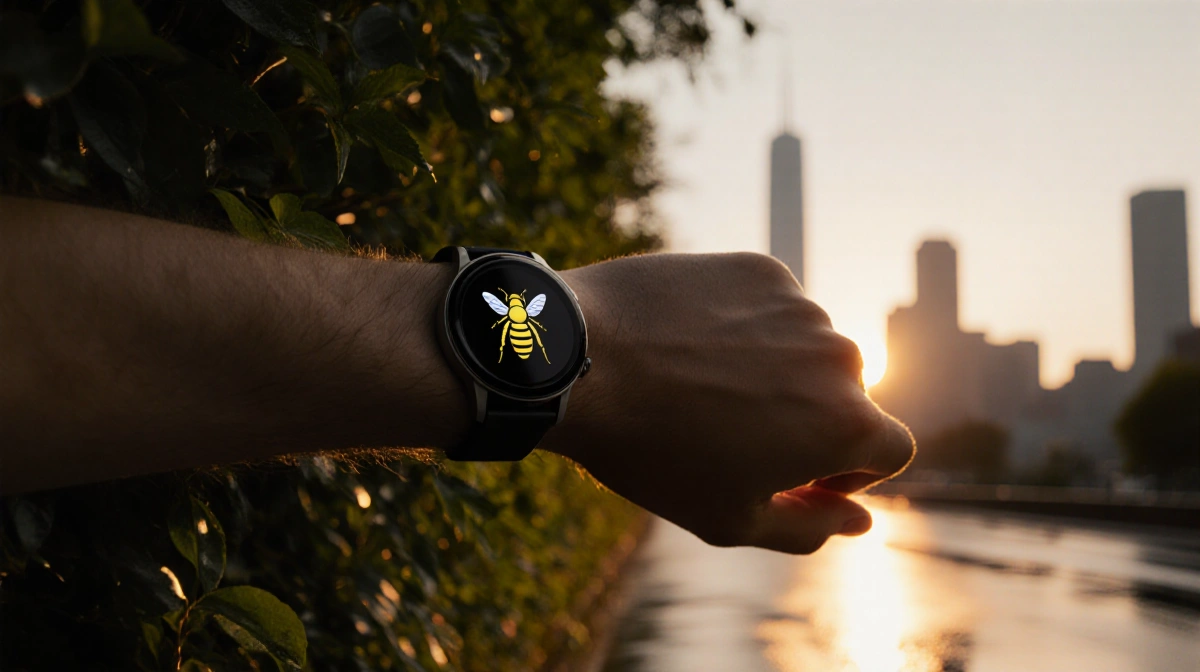
- Amazon has acquired Bee, an AI clip-on pin and bracelet designed for recording conversations and acting as an AI companion.
- Bee learns from user recordings and integrates with services like Gmail, Google Calendar, and Apple Health.
- The device complements Alexa, extending Amazon’s AI reach beyond the home.
Why it matters: Amazon’s push into wearables signals a new front in the AI arms race, targeting users who want an always-on assistant that follows them outside the house.
Amazon used this year’s Consumer Electronics Show in Las Vegas to unveil its newest AI hardware play: Bee, a wearable device that clips on like a pin or slips onto the wrist. The acquisition gives Amazon a foot in the door of the growing market for personal, on-body AI companions.
Bee’s primary job is to record meetings, lectures, and casual conversations. Once captured, the AI transcribes the audio, then discards the file. It combines those transcripts with data pulled from services the user opts into-Gmail, Google Calendar, contacts, Apple Health-to build what co-founder Maria de Lourdes Zollo calls “a really big graph of knowledge” about the owner.
Amazon already fields its own AI consumer device in the form of Alexa+, which runs on 97 percent of the hardware the company has shipped. The difference, executives say, is location. Alexa rules inside the house; Bee is built for everywhere else.
How Bee Works
- Clip it on or wear it as a bracelet
- Tap to record conversations, meetings, or classes
- Audio is transcribed and then deleted
- AI combines text with calendar, email, and health data
- Generates to-do items, follow-ups, and daily insights
Early adopters include students recording lectures, elderly users who struggle with memory, and professionals who speak for a living and hate manual note-taking. Instead of playback, they get searchable summaries and reminders.
Bee runs a mix of AI models under the hood. Amazon’s own models may join the stack, but no timeline was given. The eight-person Bee team remains in San Francisco, sharing a city with a large Amazon hardware and Alexa workforce.
Alexa Meets Bee
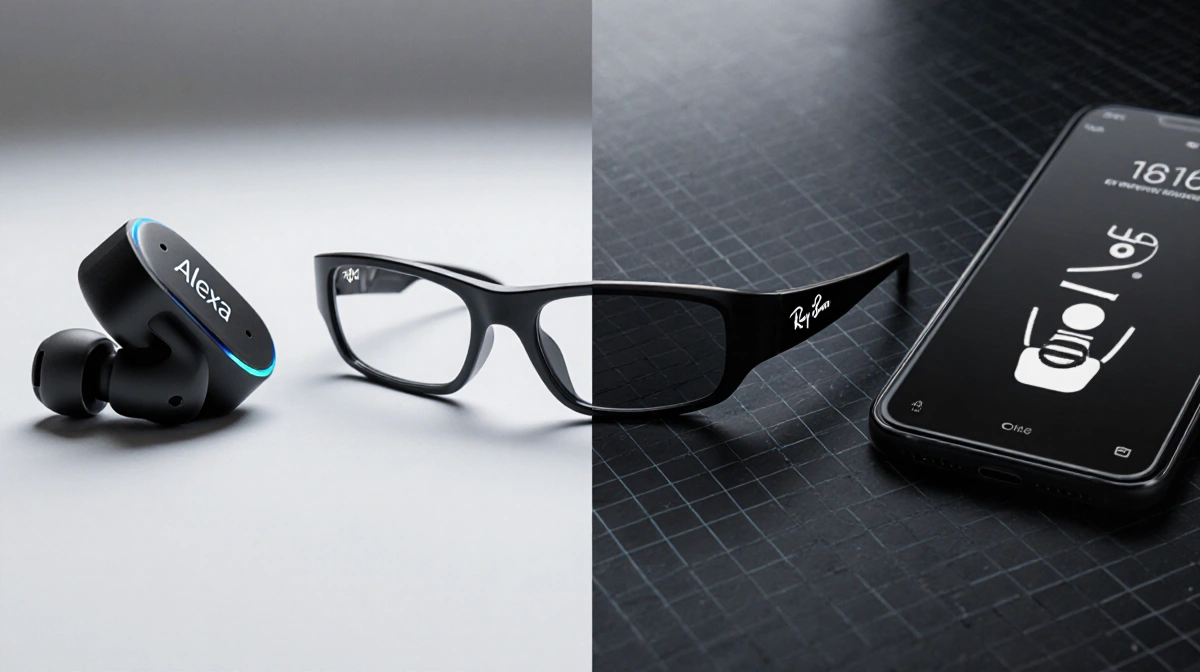
Amazon’s earlier wearable attempts-Alexa earbuds and smart glasses-never caught on against Apple’s AirPods and Ray-Ban Meta glasses. Executives say Bee avoids that trap by offering a different use case and form factor.
“We see each other as complementary friends,” de Lourdes Zollo said at CES. “Bee has the understanding of outside the house, and Alexa has the understanding of inside the house.”
Daniel Rausch, Amazon’s VP of Alexa and Echo, agreed the two will eventually merge. “We know that it will create even more benefit for customers than what these AI experiences do on their own,” he said. “When you have access to the power of these AI experiences with you throughout the day, and they’re continuous-we’re gonna be able to do so much more for customers.”
For now, Bee keeps its own personality. Rausch praised the startup’s work as an “important and lovable experience” that is “deeply engaging and personal.”
What Comes Next
De Lourdes Zollo promised “many new things” for 2026. Recent updates already added voice notes, templates, and daily insights. She hinted at broader integrations and more powerful AI features, but offered no specifics.
“Honestly, it’s endless possibilities now, and that’s one of the reasons why we’re really excited to be part of Amazon,” she said.
The acquisition price and deal terms were not disclosed. According to News Of Philadelphia, Bee will continue to be sold under its own brand while the teams work on deeper ties to Amazon’s ecosystem.
Key Takeaways
- Amazon’s Bee acquisition targets on-the-go AI use cases Alexa can’t yet cover
- Bee records, transcribes, and deletes audio, then builds a personal knowledge graph
- Integration with Gmail, Calendar, and Health data lets it surface reminders and insights
- The move positions Amazon against Meta’s Ray-Ban glasses and other wearable AI devices
- A combined Alexa-Bee experience is planned, but no date was given