
At a Glance
- OpenAI acquired health-tech startup Torch, Anthropic debuted Claude for healthcare, and Altman-backed MergeLabs raised $250 million at an $850 million valuation-all within seven days.
- Investors and founders are flooding cash and code into voice-enabled medical AI, even as critics flag hallucination risks, data-security gaps, and the danger of inaccurate clinical advice.
- Why it matters: Patients, doctors, and regulators must now weigh promised efficiency gains against the sector’s history of data breaches and algorithmic errors.
Healthcare just became AI’s hottest battleground. In a single week, three headline moves signaled a sector-wide stampede: OpenAI bought Torch, Anthropic launched Claude for healthcare, and MergeLabs-backed by Sam Altman-banked a $250 million seed round at an $850 million valuation. The cash and code are flowing, but so are warnings about hallucinations, flawed medical information, and gaping security holes in systems that will soon hold millions of patient records.
The Deal Spree in One Week
- Torch acquisition – OpenAI’s first disclosed health-tech buy, terms not revealed.
- Claude for healthcare – Anthropic’s specialized model pitched to clinicians.
- MergeLabs funding – Led by General Catalyst and Lightspeed, valuing the year-old startup at $850 million pre-revenue.
The three transactions landed within days, underscoring how quickly generative AI is pivoting from chatbots to clinical workflows.
Where Voice AI Fits
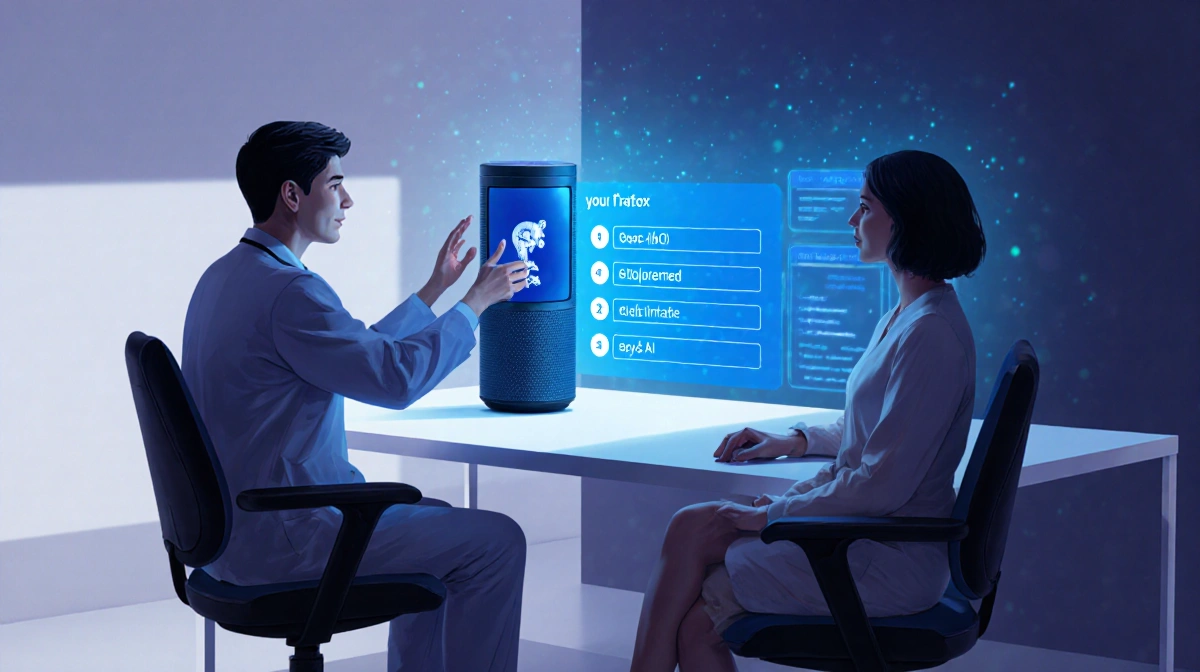
Voice interfaces are the common thread. Torch built ambient clinical documentation tools that listen to doctor-patient visits and auto-fill electronic records. MergeLabs is crafting voice agents for both providers and payers. Anthropic’s healthcare Claude promises real-time, voice-ready answers to complex medical questions.
Risk Ledger: Hallucinations and Data Breaches
Critics inside and outside the companies say the same models that ace coding tests can fabricate drug dosages or miss contraindications. Patient data adds another layer of peril: HIPAA fines max out at $1.5 million per violation category per year, yet breaches already expose tens of millions of medical files annually. Plugging large language models into that pipeline without bulletproof guardrails, security researchers told News Of Philadelphia, is “a statistical certainty for disaster.”
What Comes Next
Equity podcast hosts Kirsten Korosec, Anthony Ha, and Sean O’Kane predict the next wave will hit insurance authorization, drug discovery, and mental-health triage-provided regulators don’t slam the brakes first. FDA draft guidance on clinical decision-support software is expected before year-end, and Senate committees have requested detailed safety plans from OpenAI, Anthropic, and MergeLabs.
Key Takeaways
- A record $250 million seed round and two major product launches show AI’s healthcare land grab is accelerating.
- Voice-enabled documentation and diagnostics are the immediate prizes, but hallucination risks could provoke strict new rules.
- Regulators, hospitals, and patients must decide whether faster notes and shorter wait times outweigh the stakes of AI-generated medical errors.